THERAPY
The camera looks both ways and thus, every photograph we make becomes a self portrait.
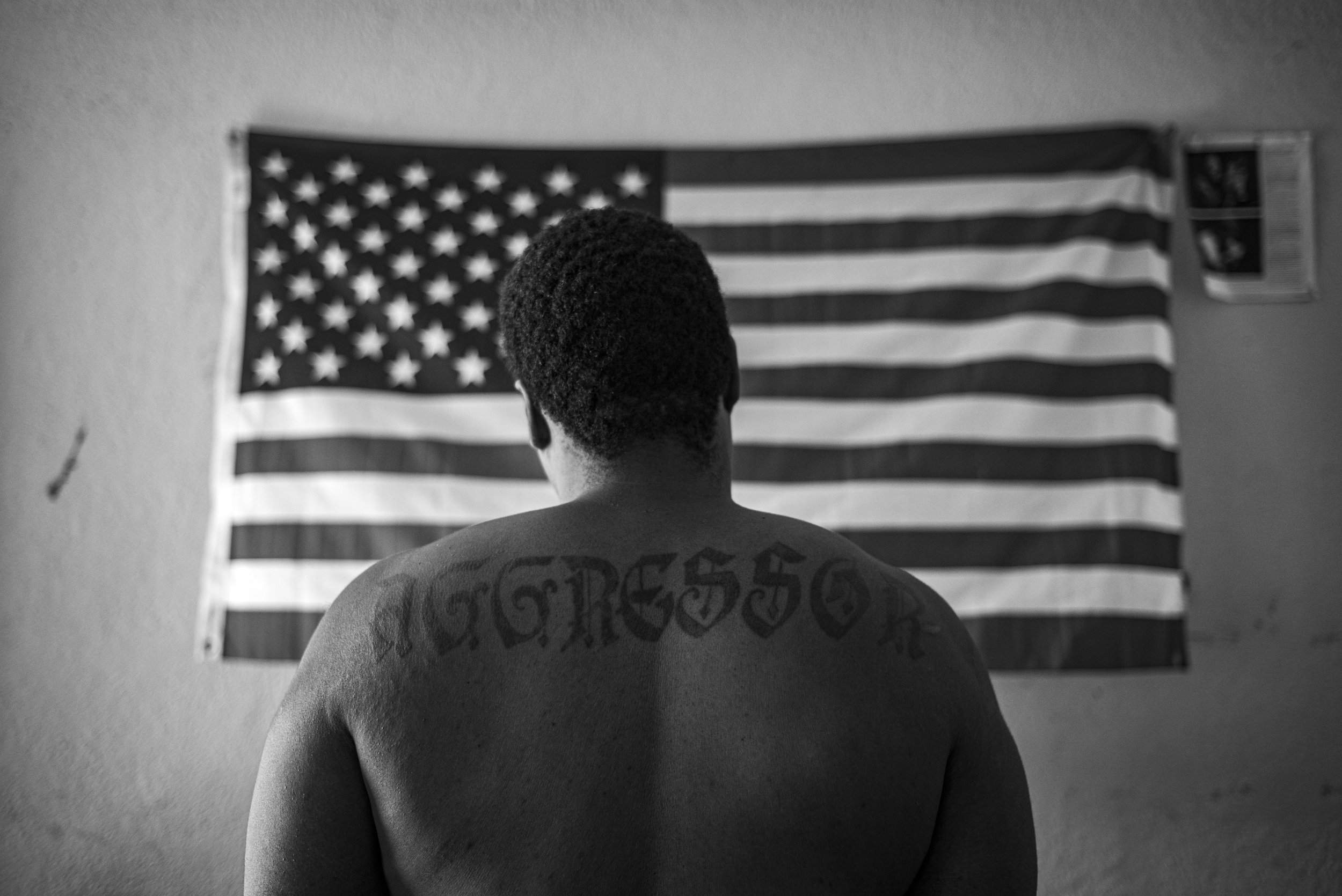
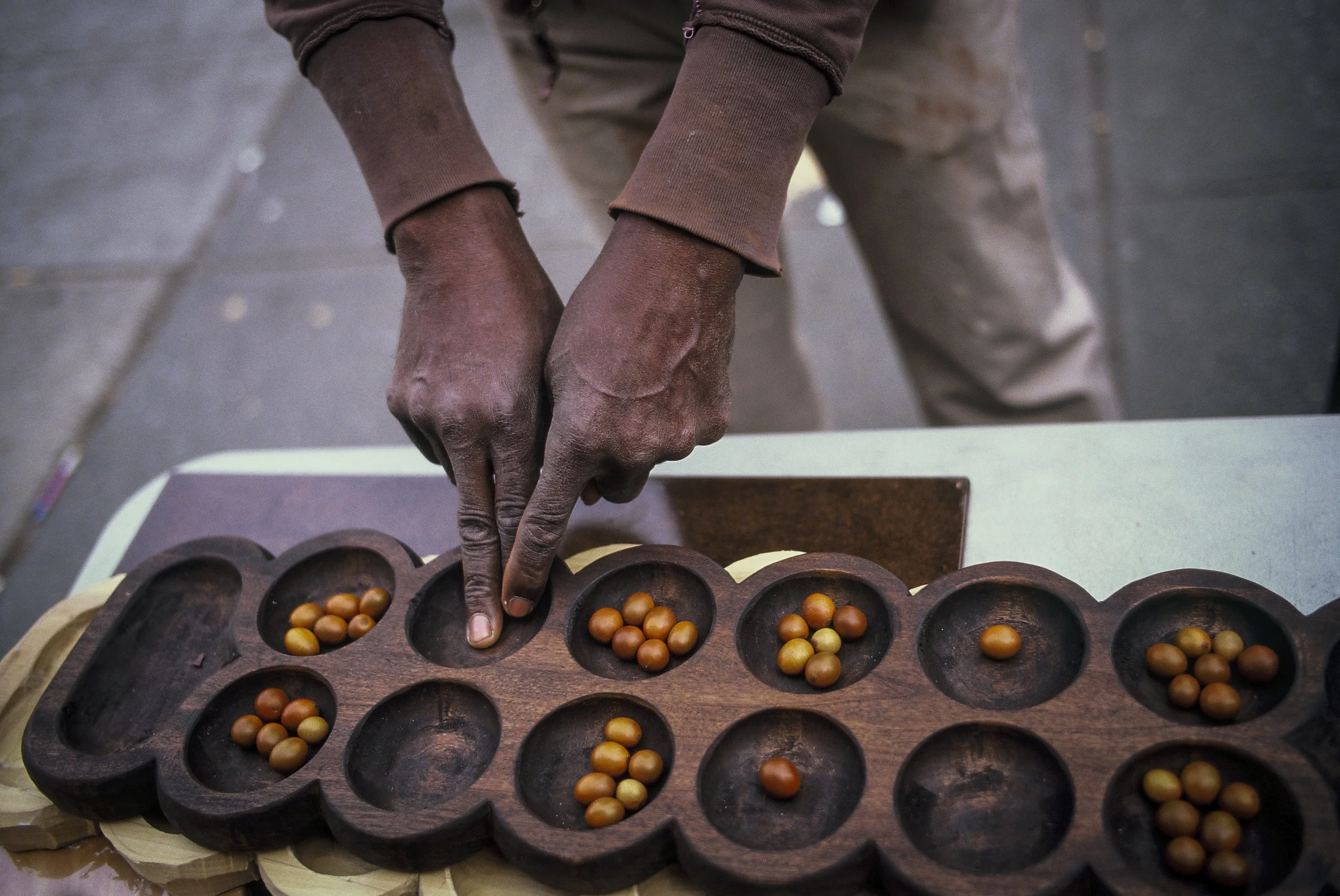
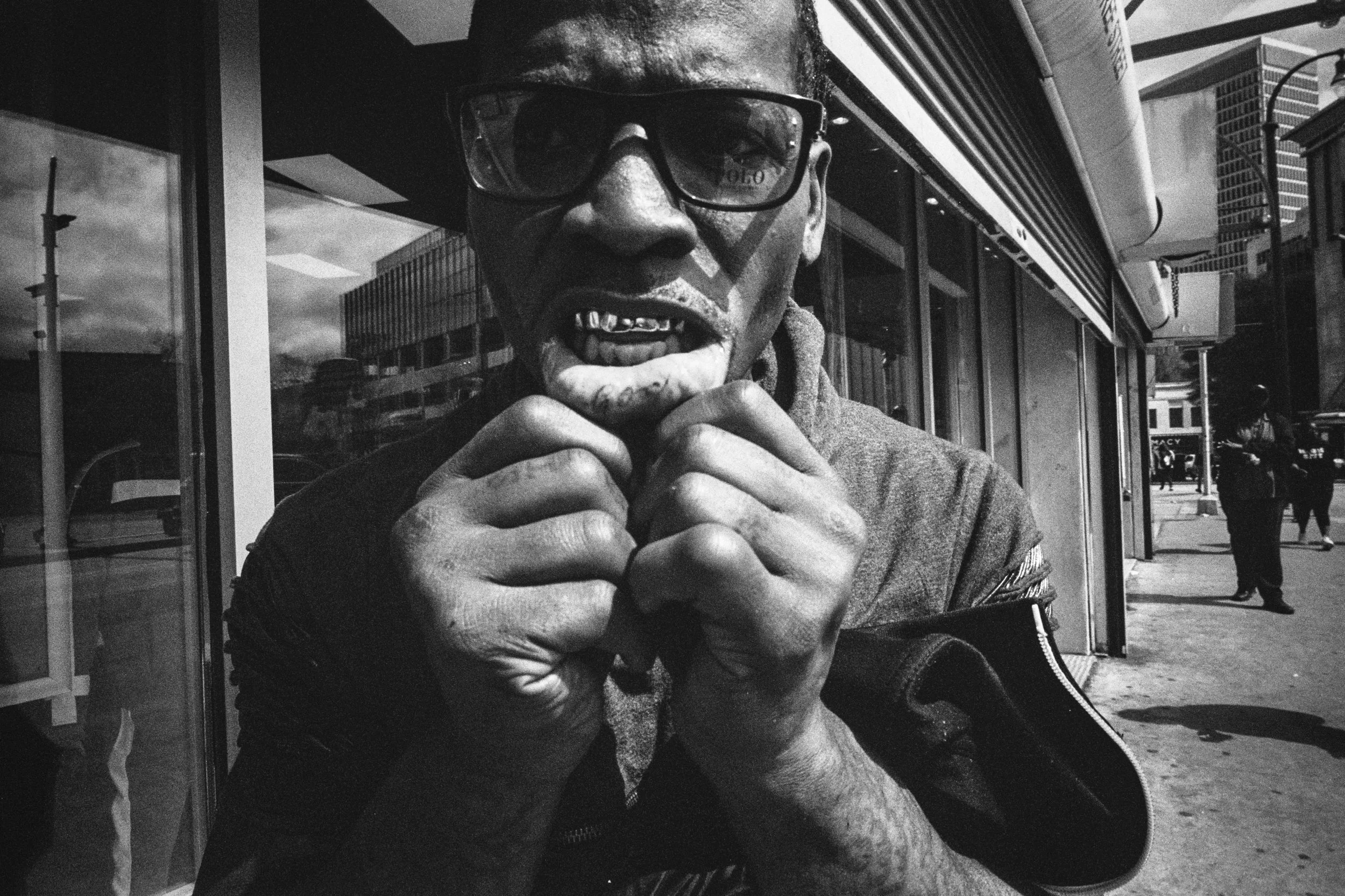
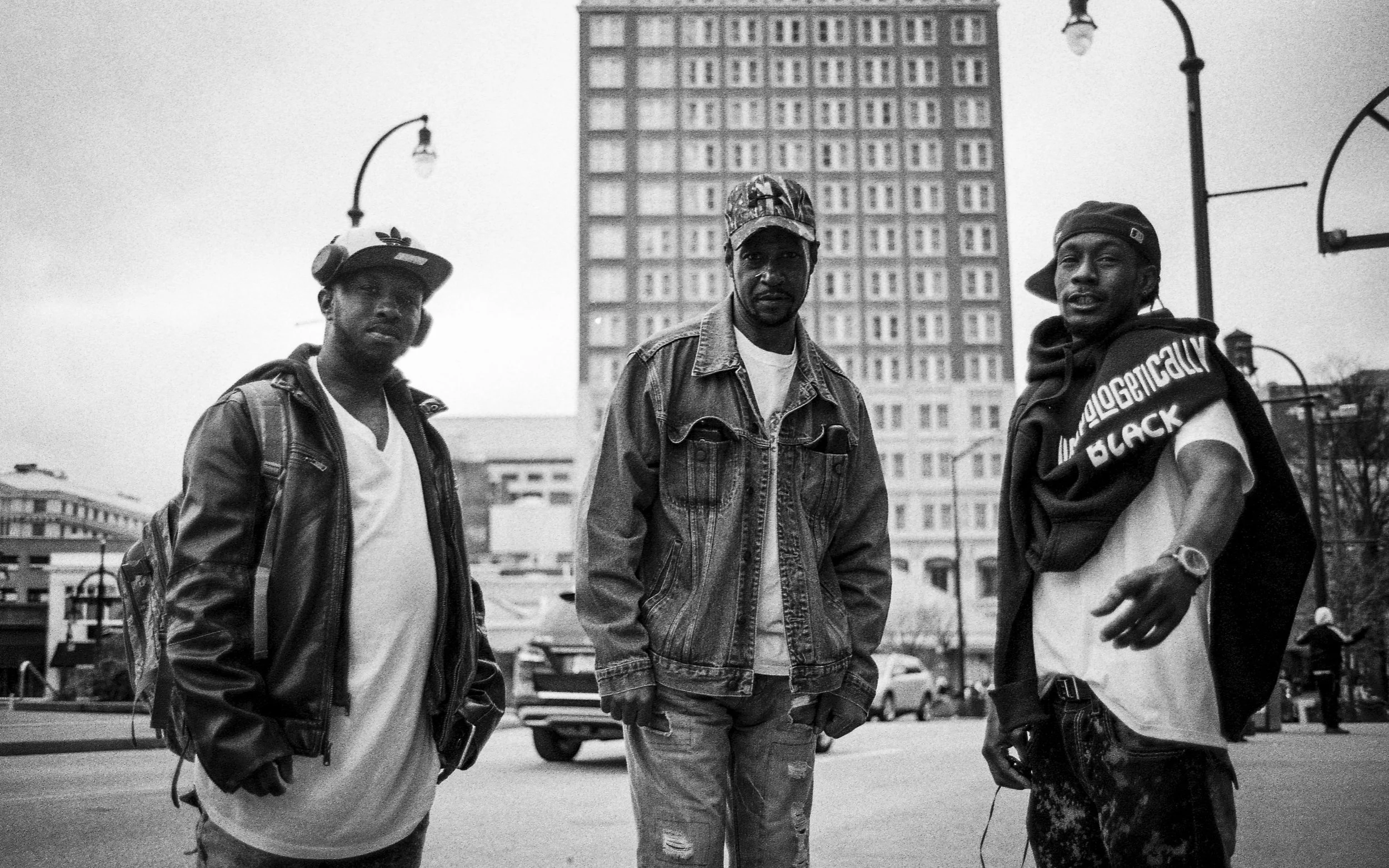
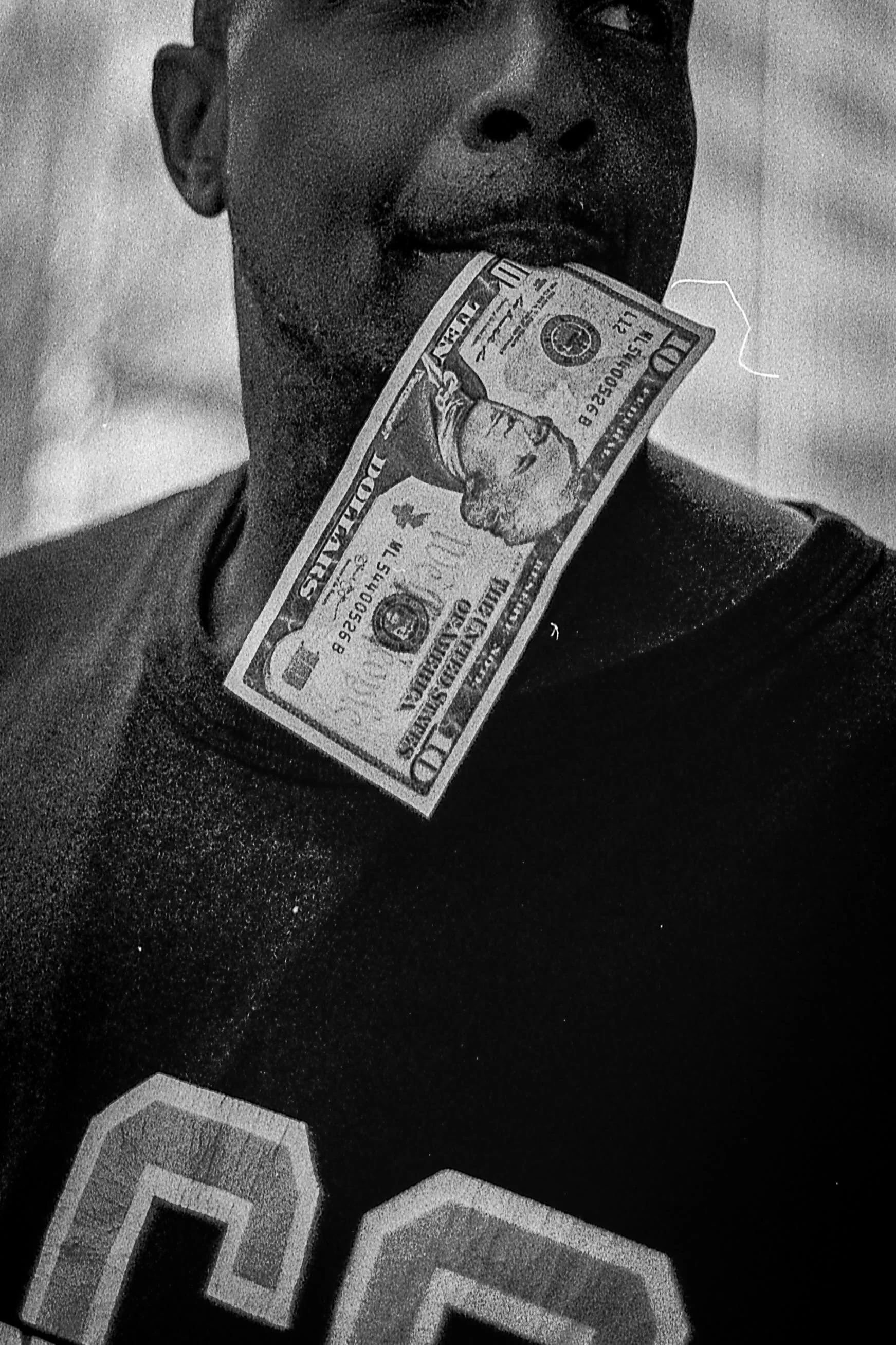
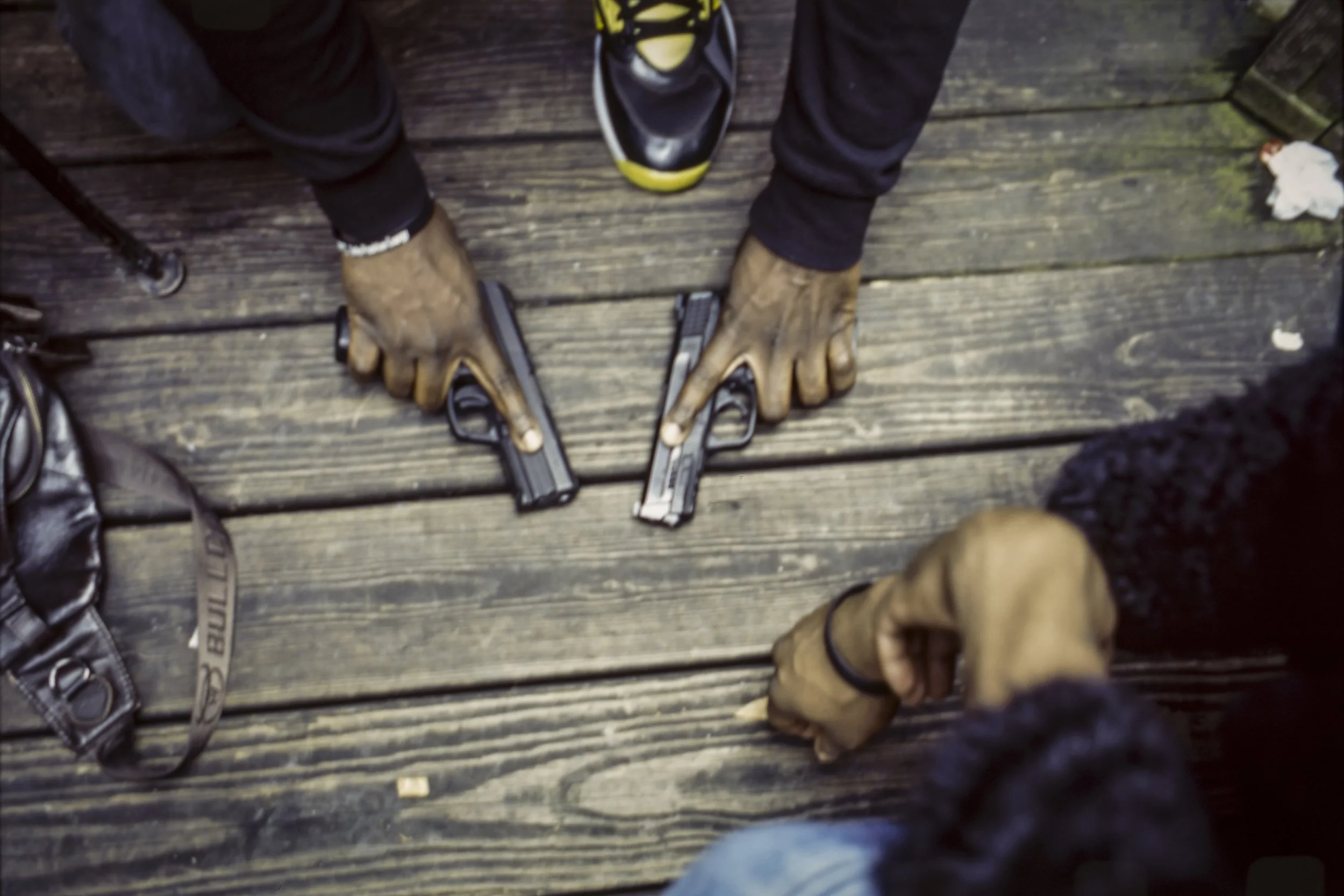
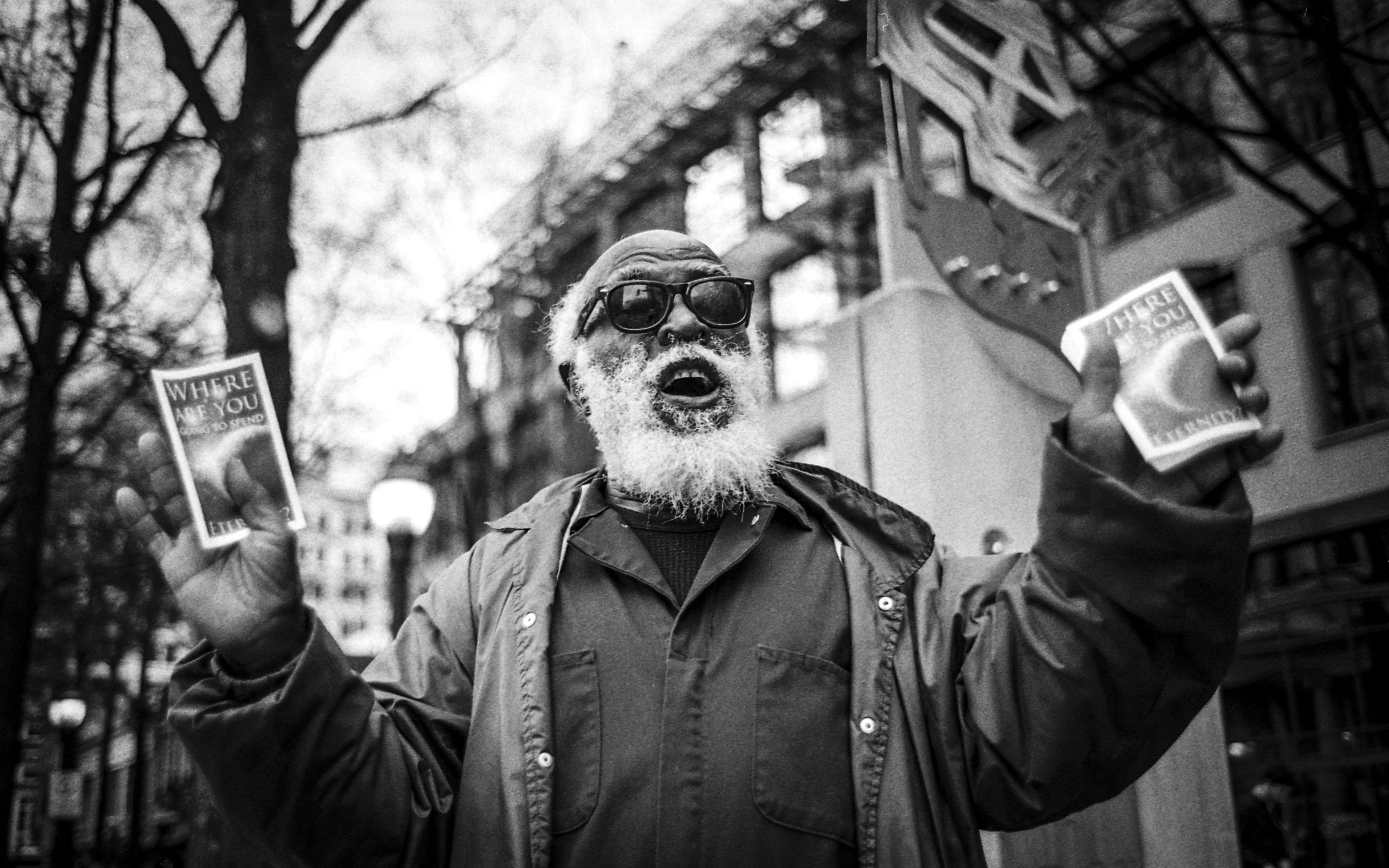
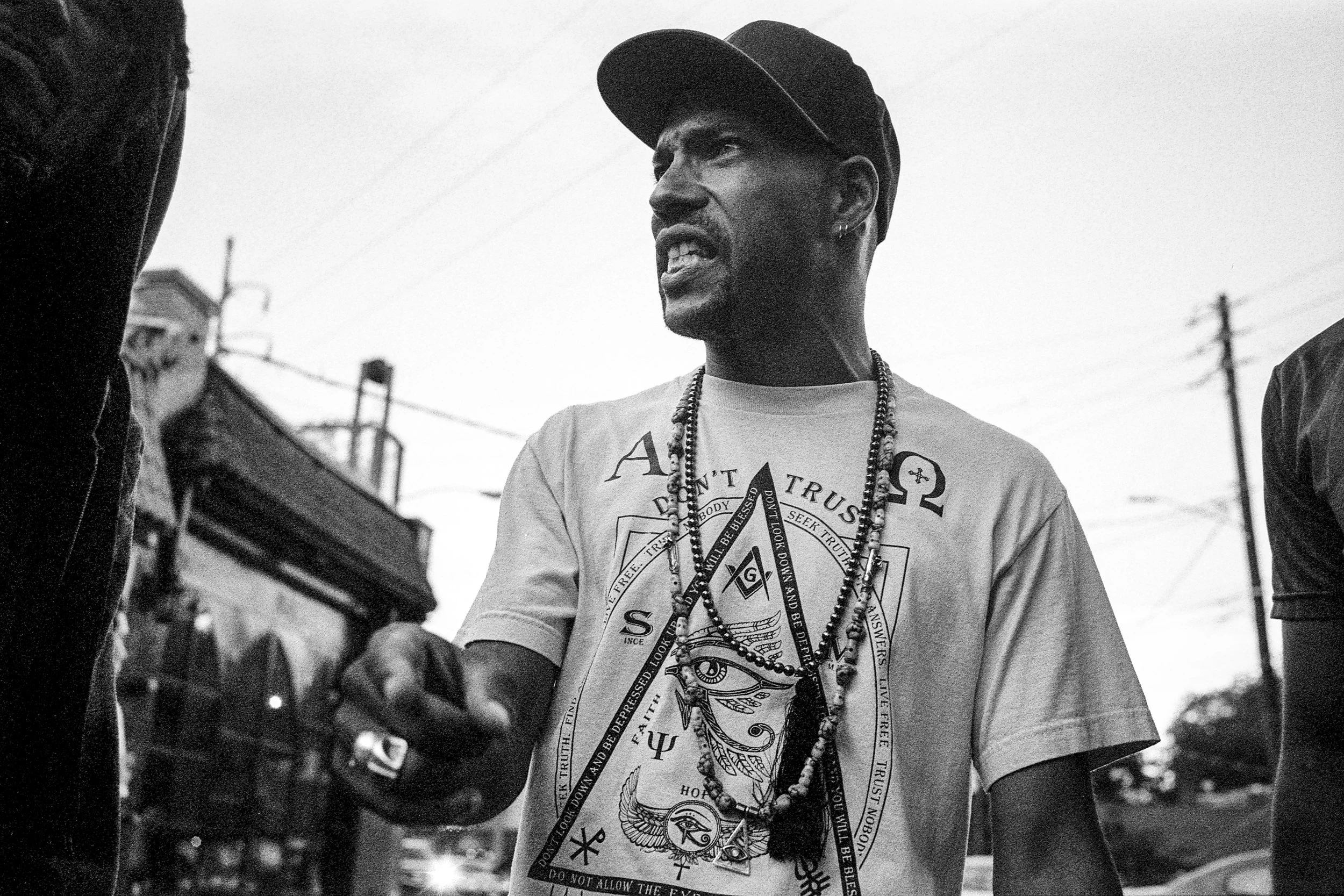
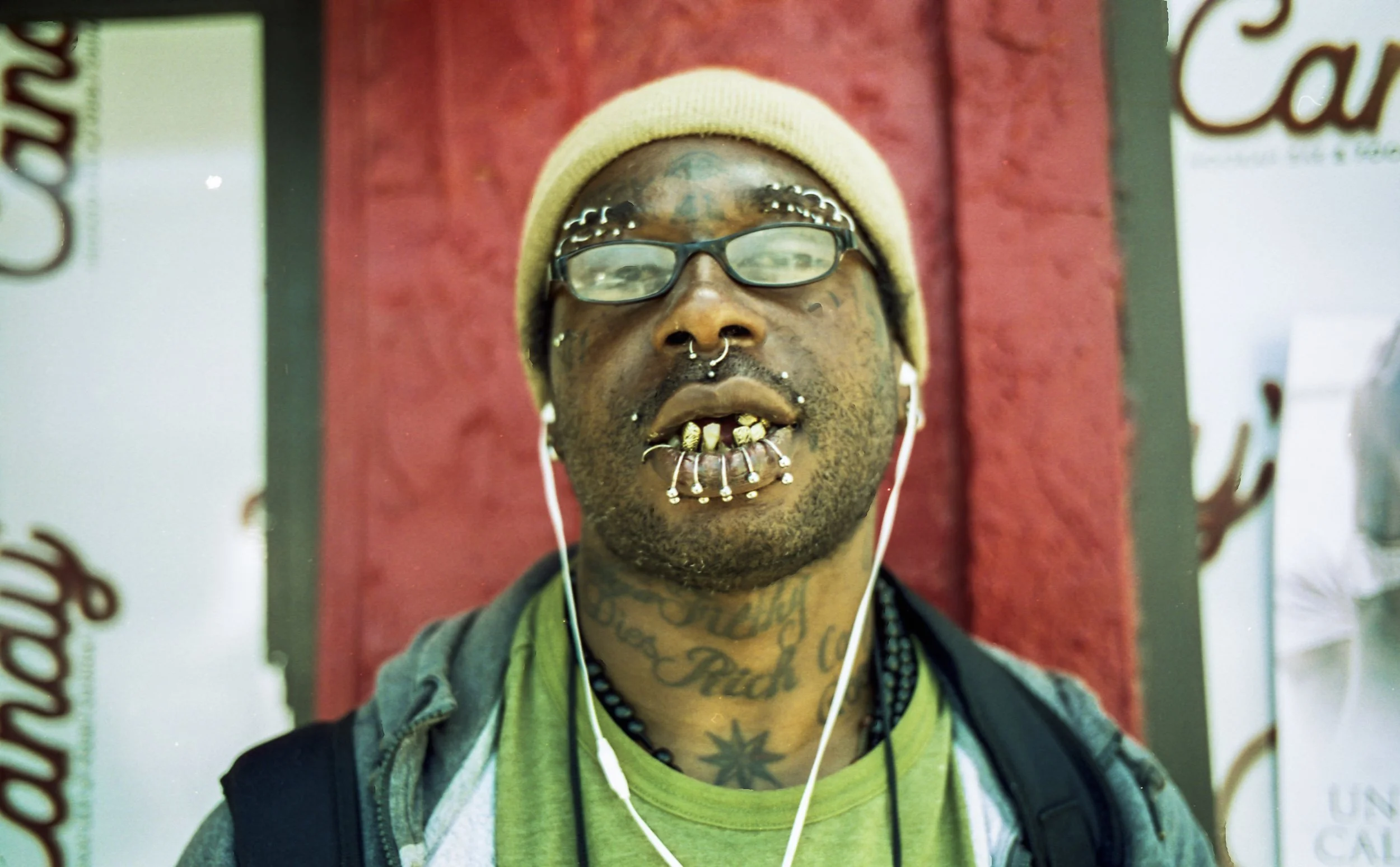
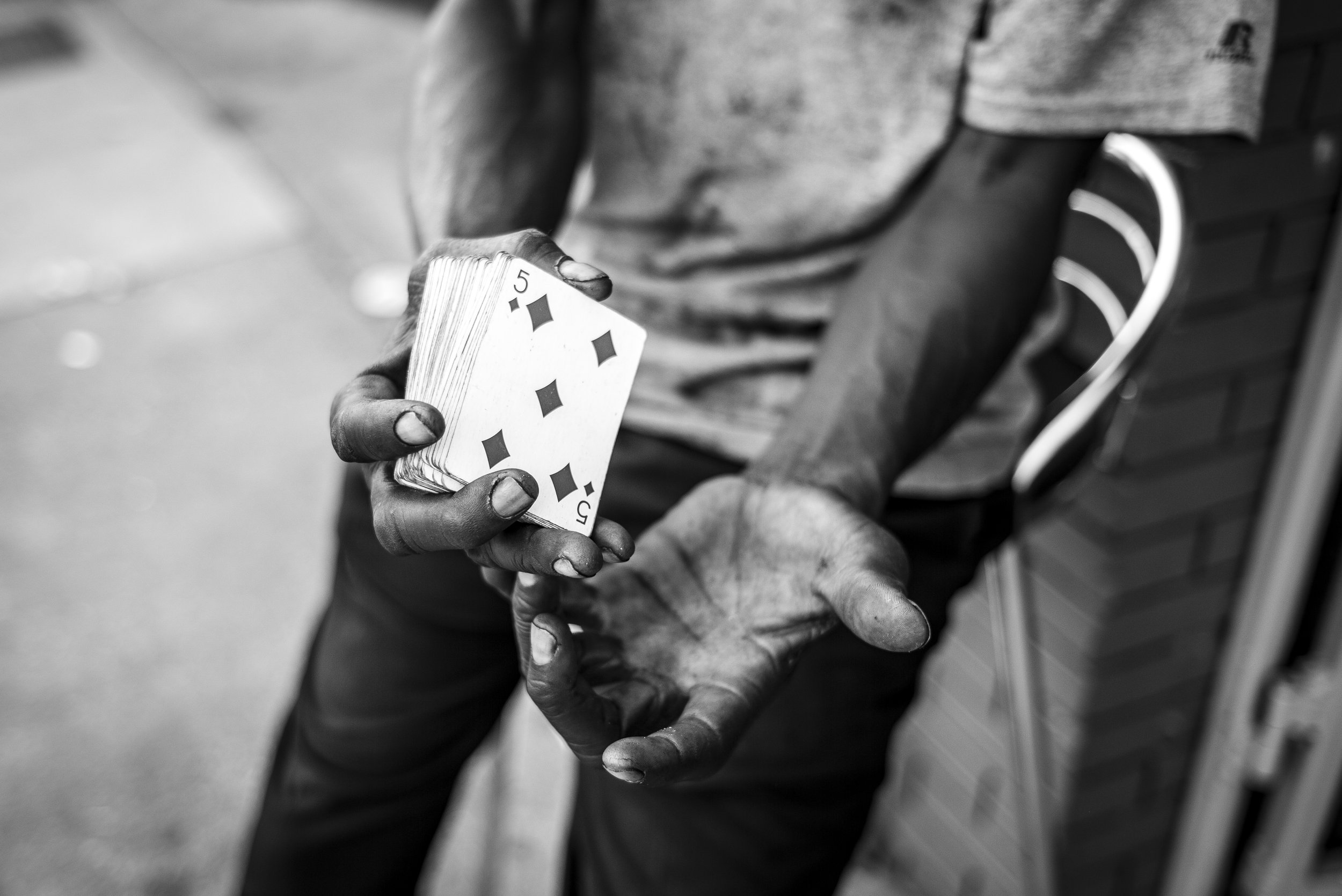
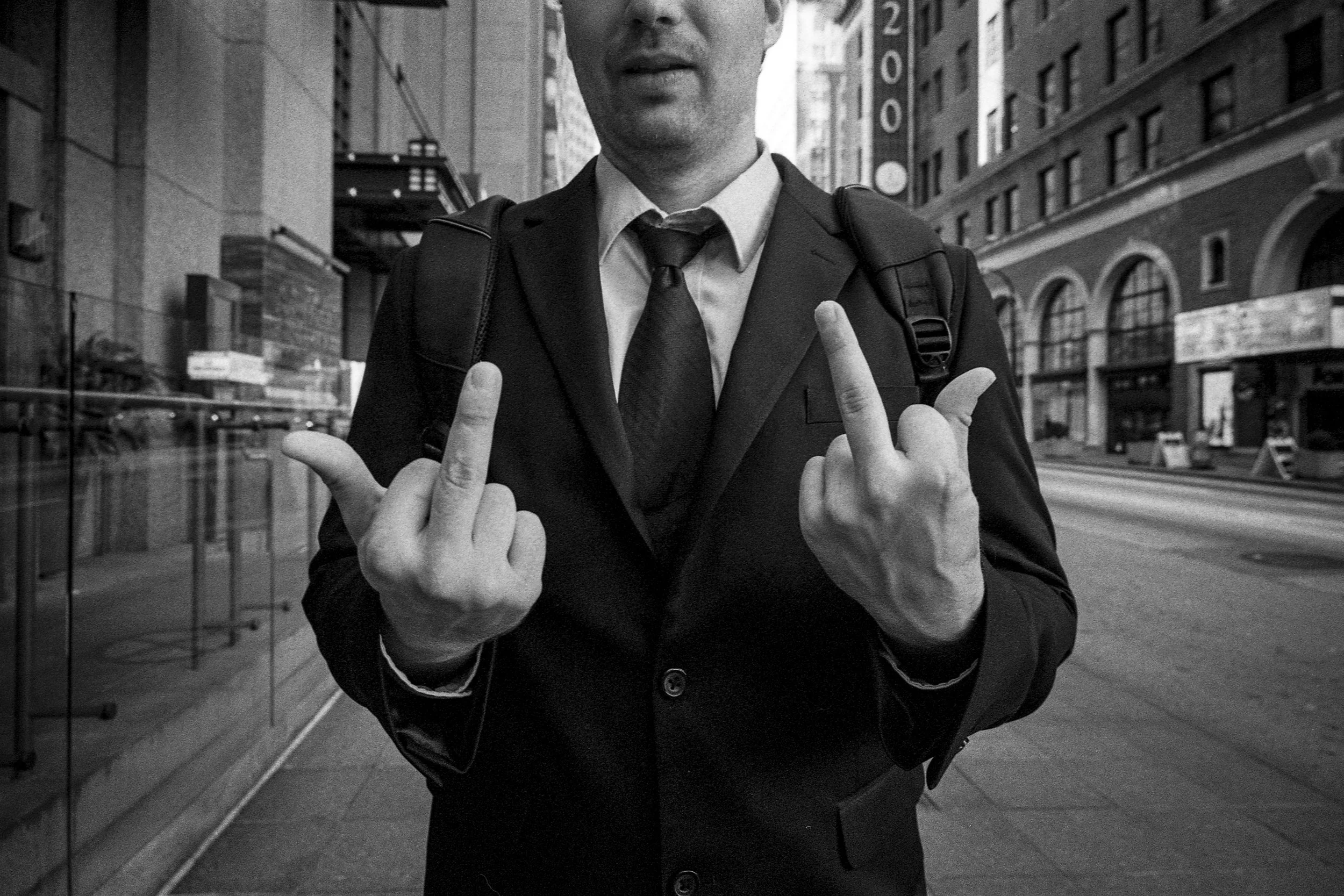
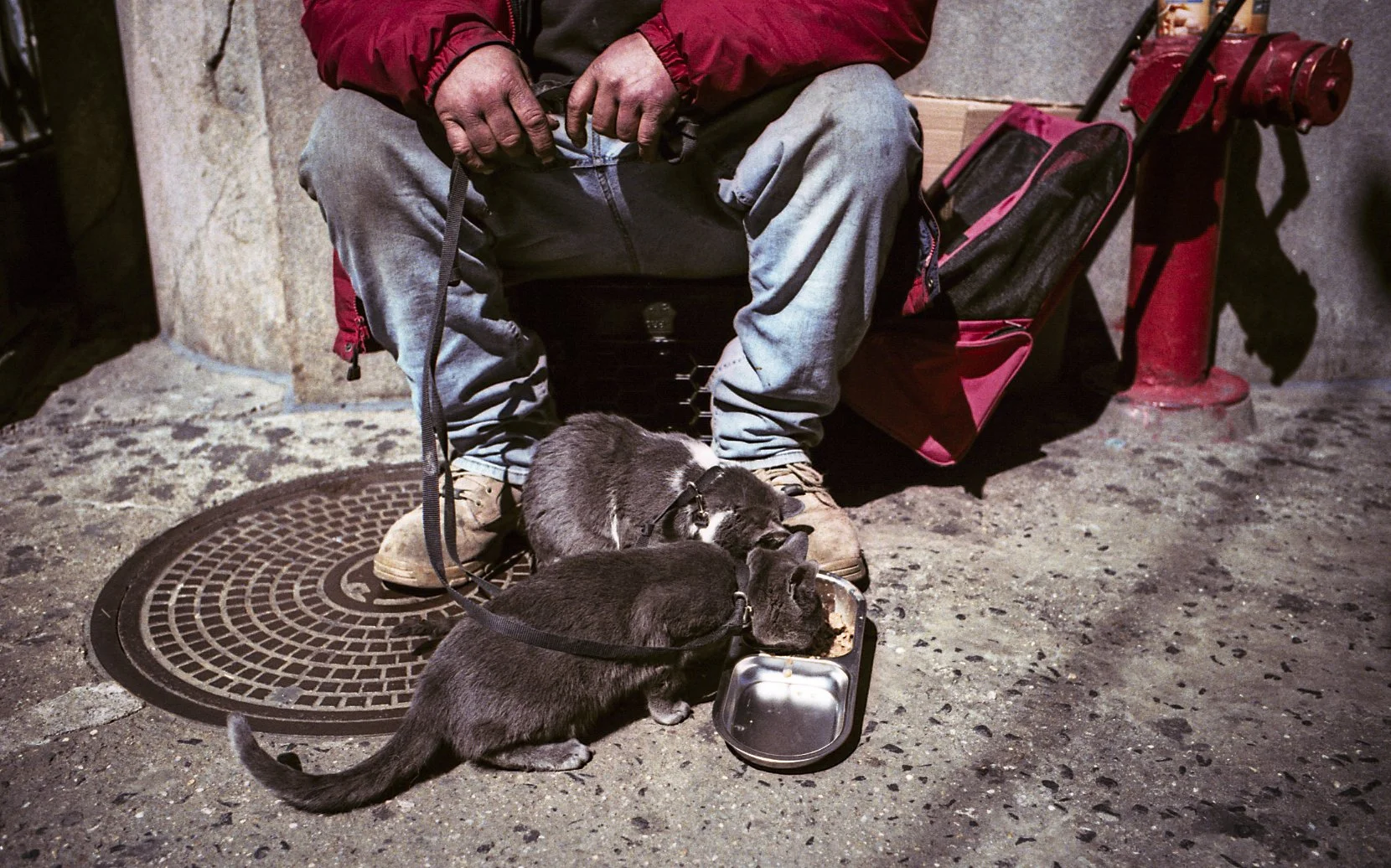
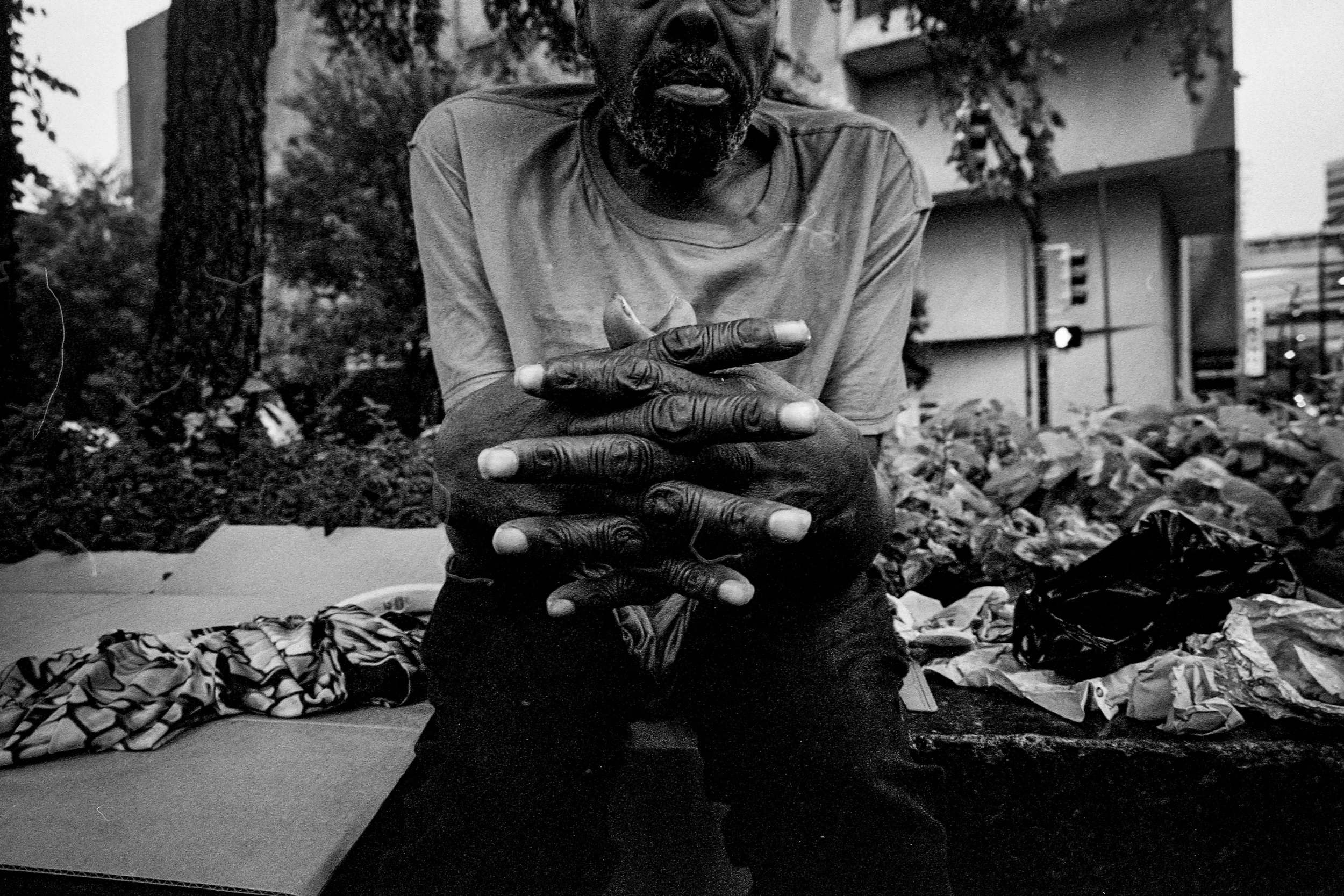
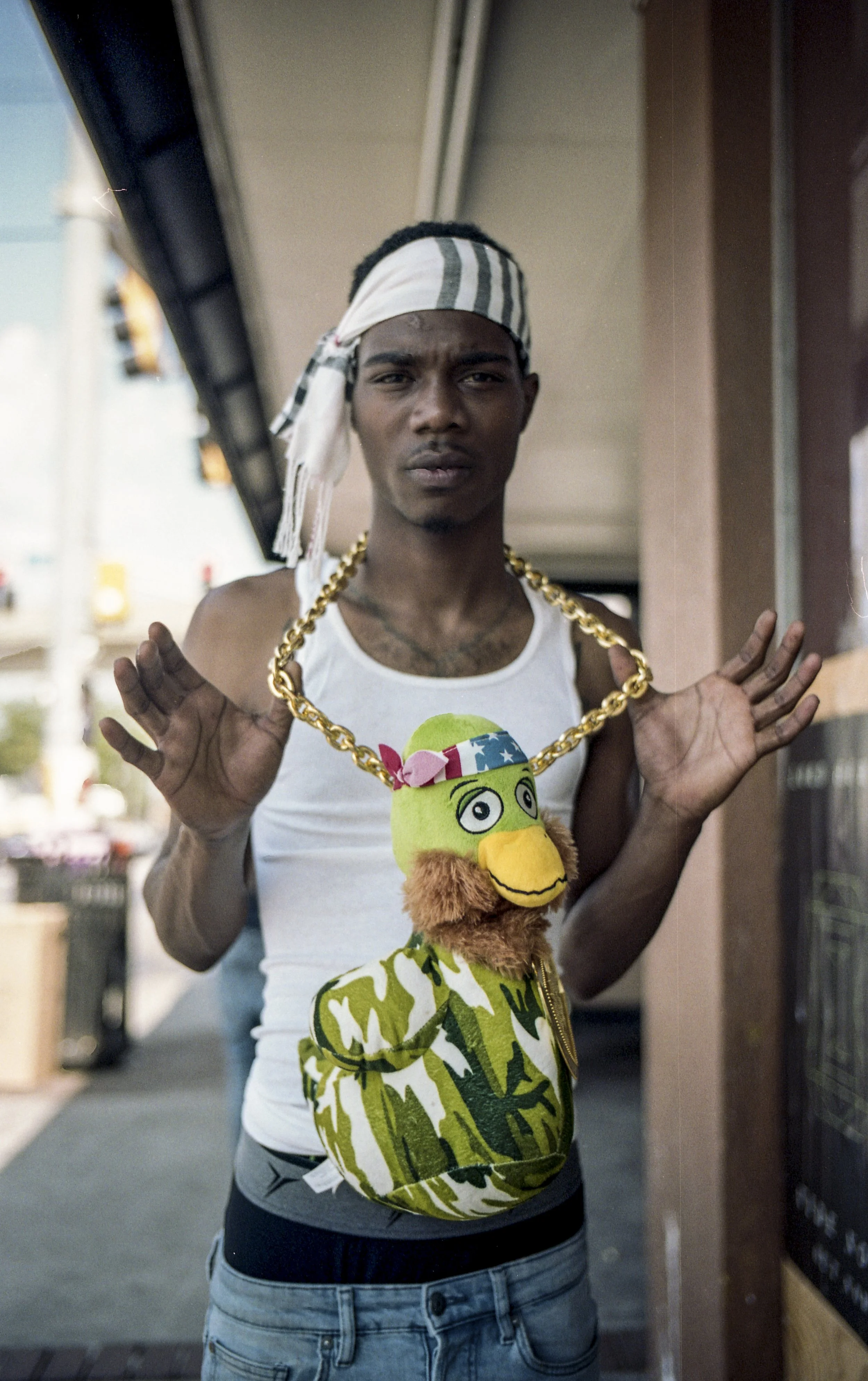
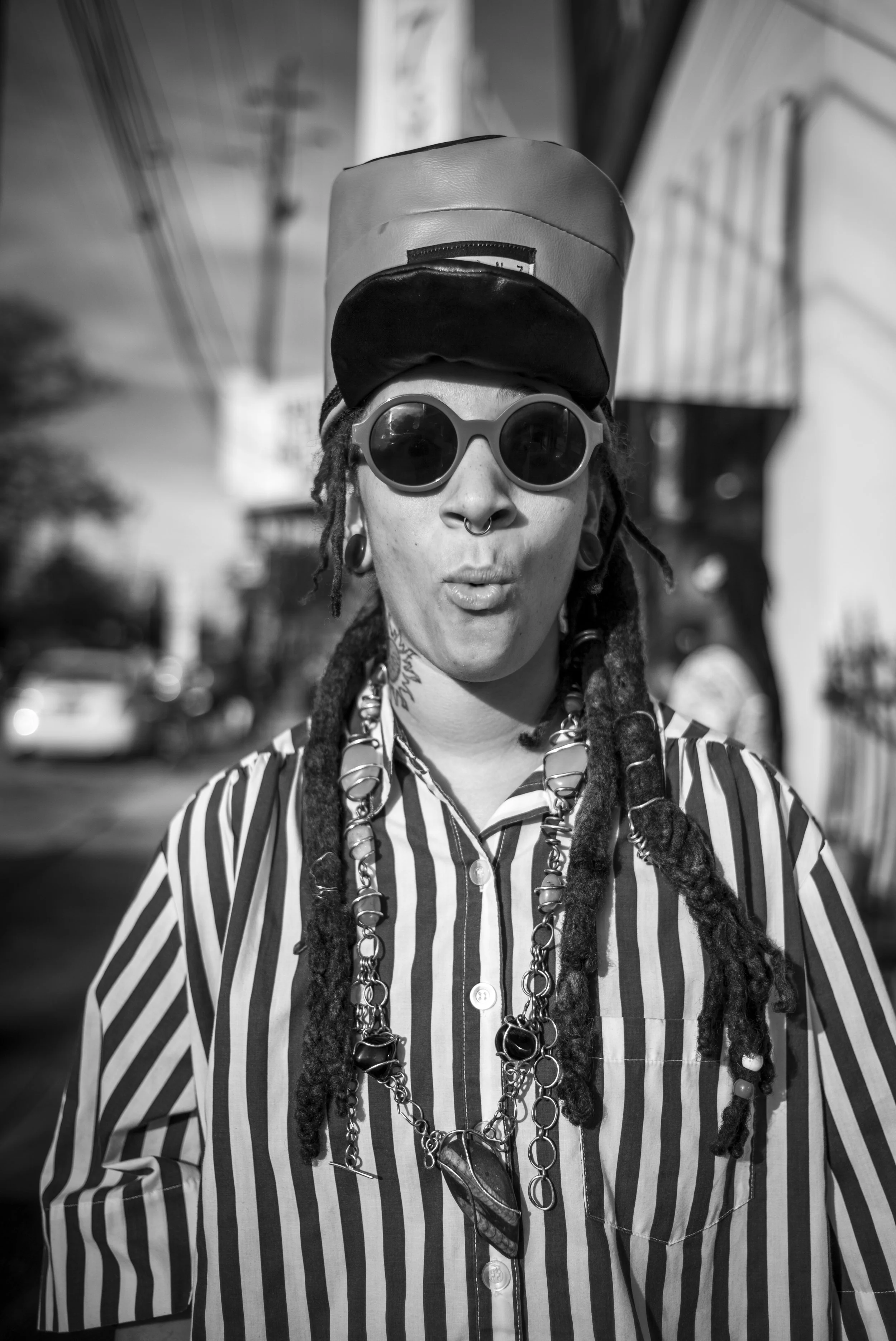
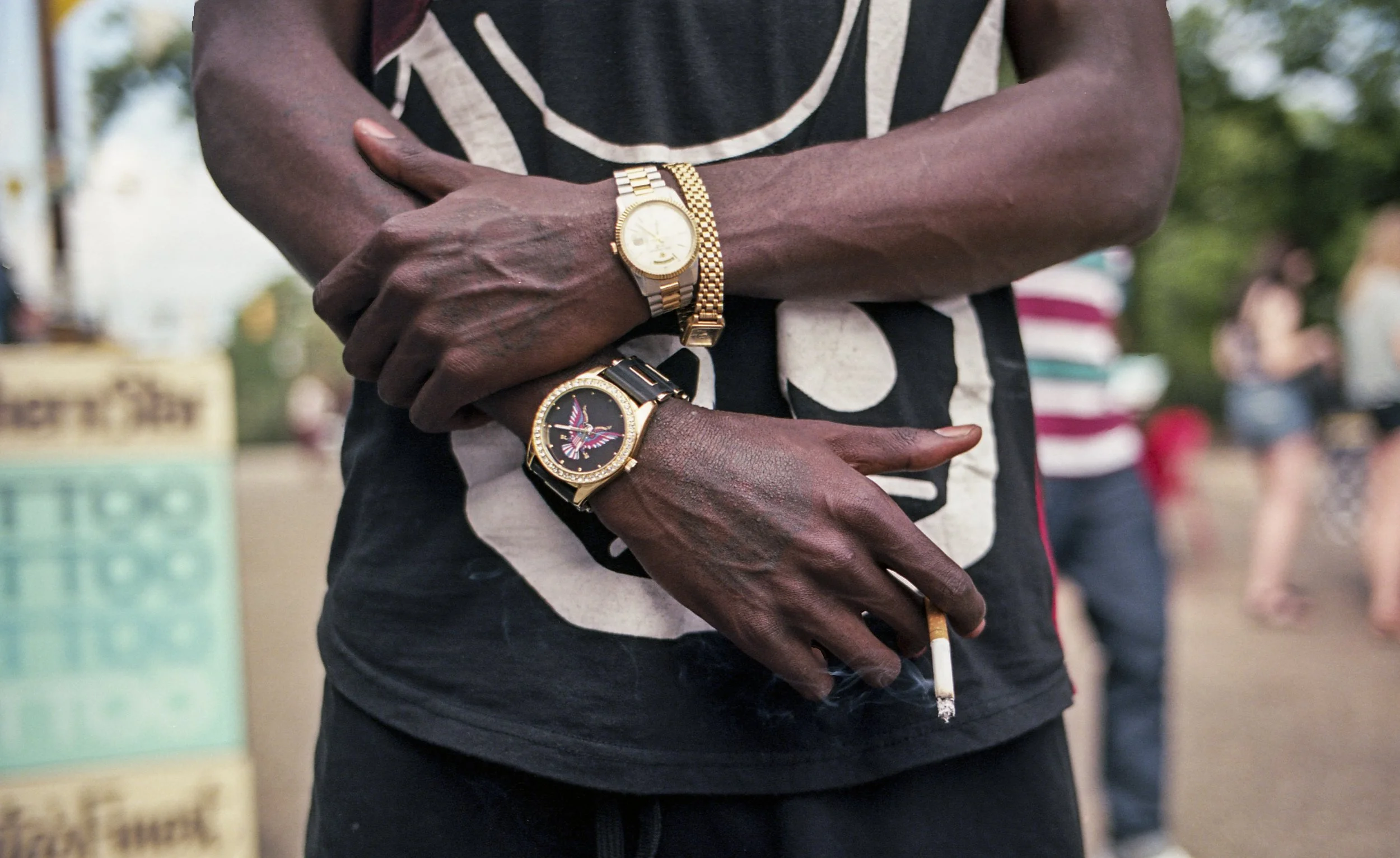
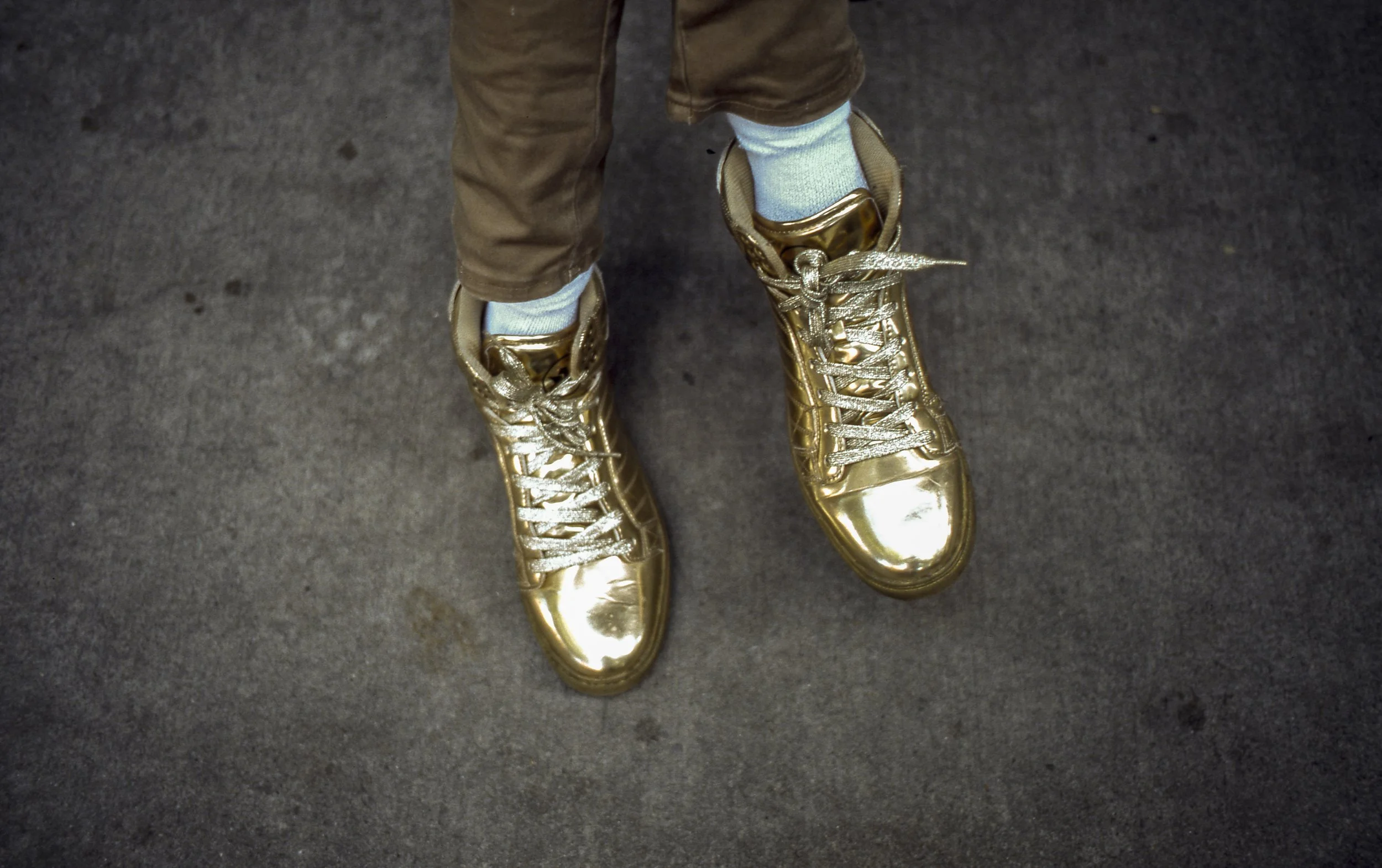
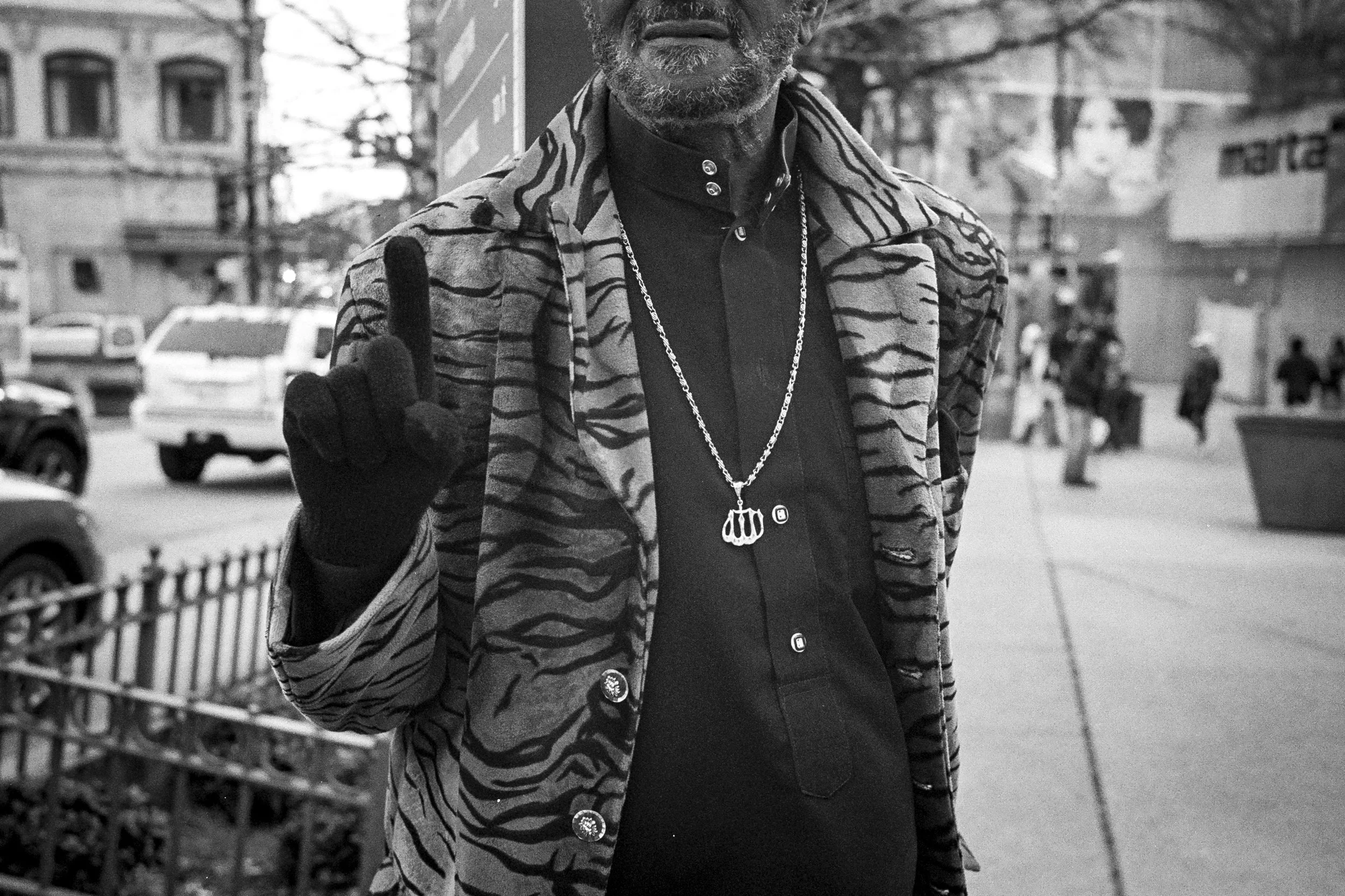

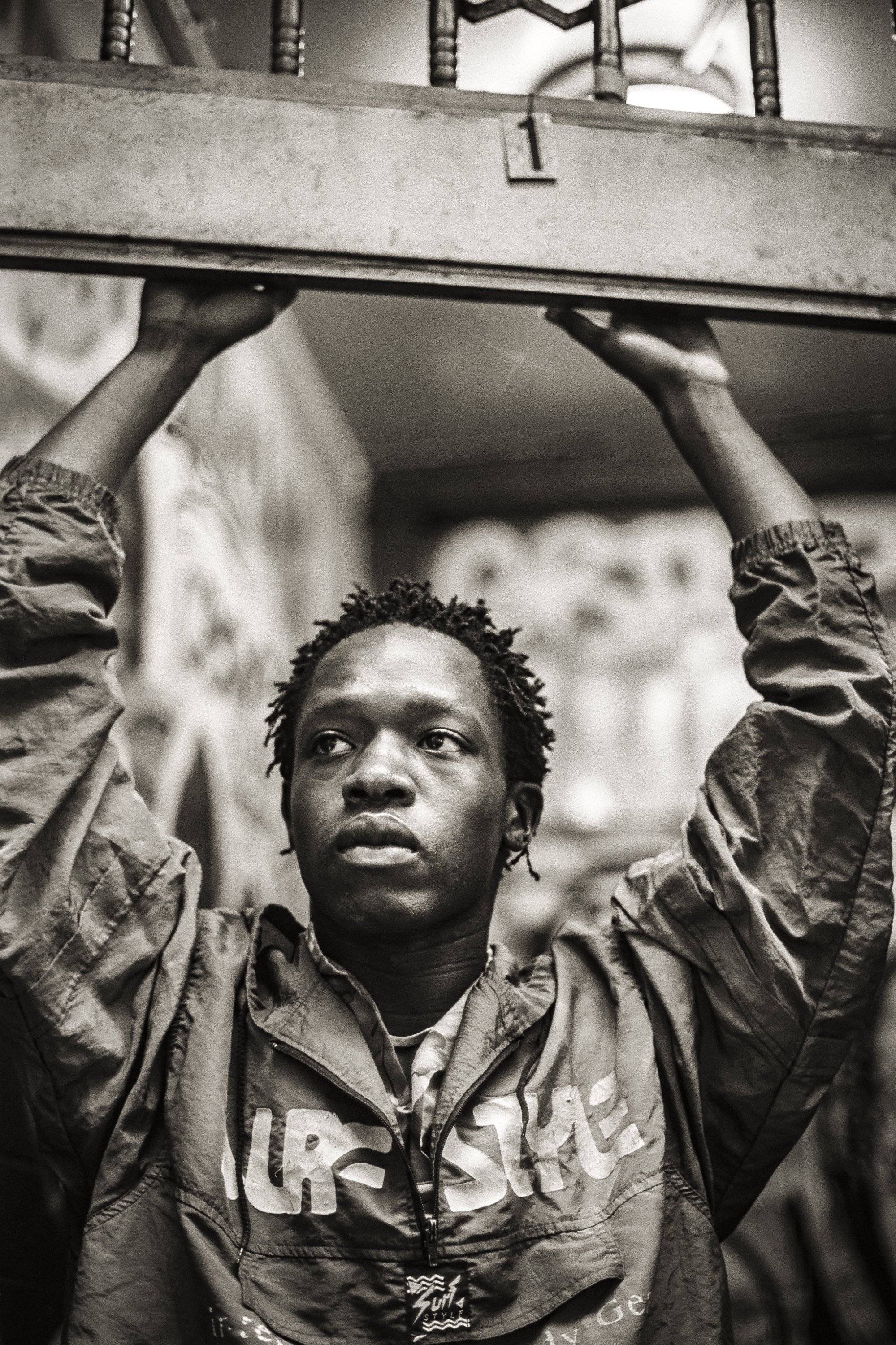

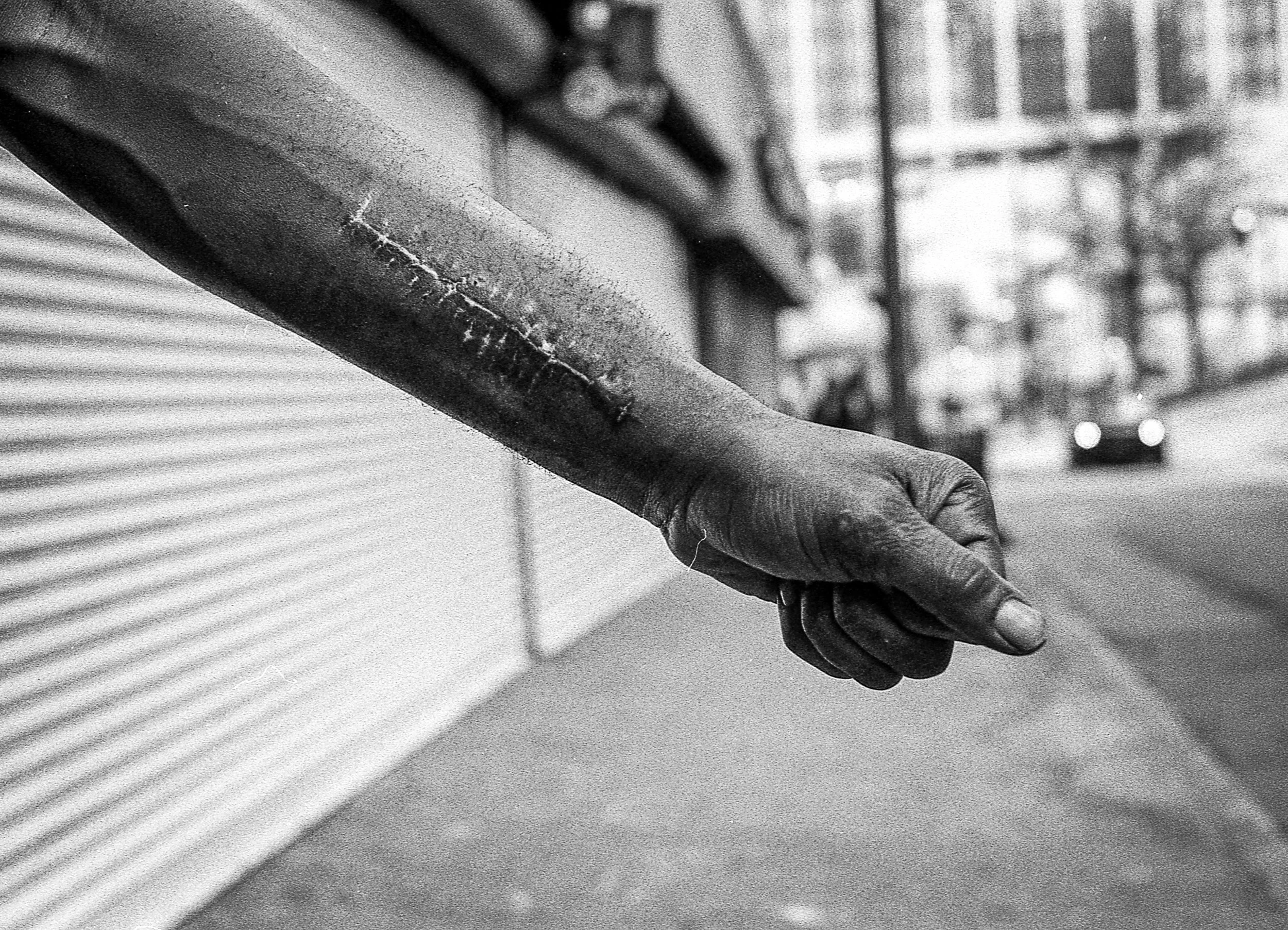
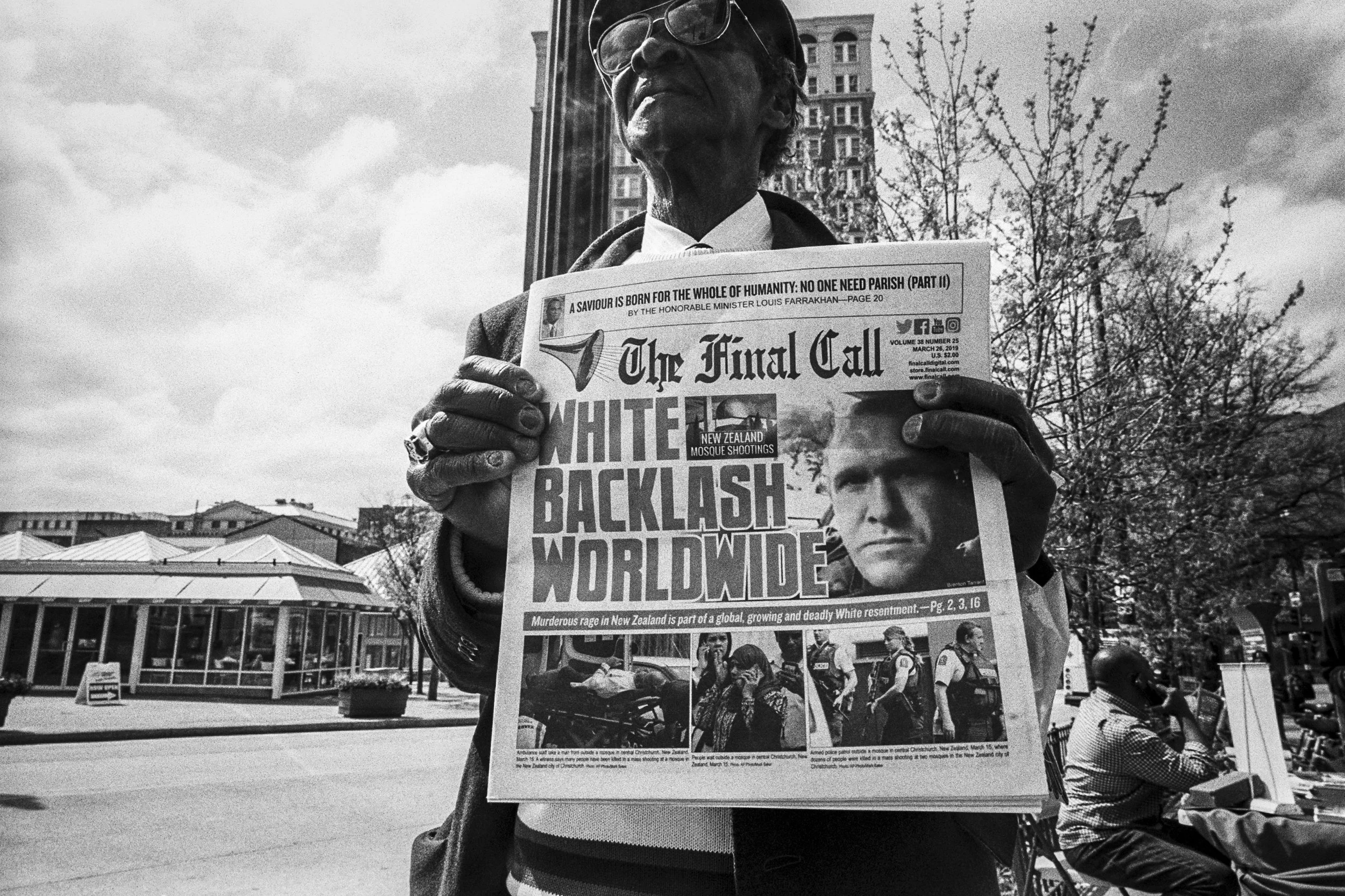
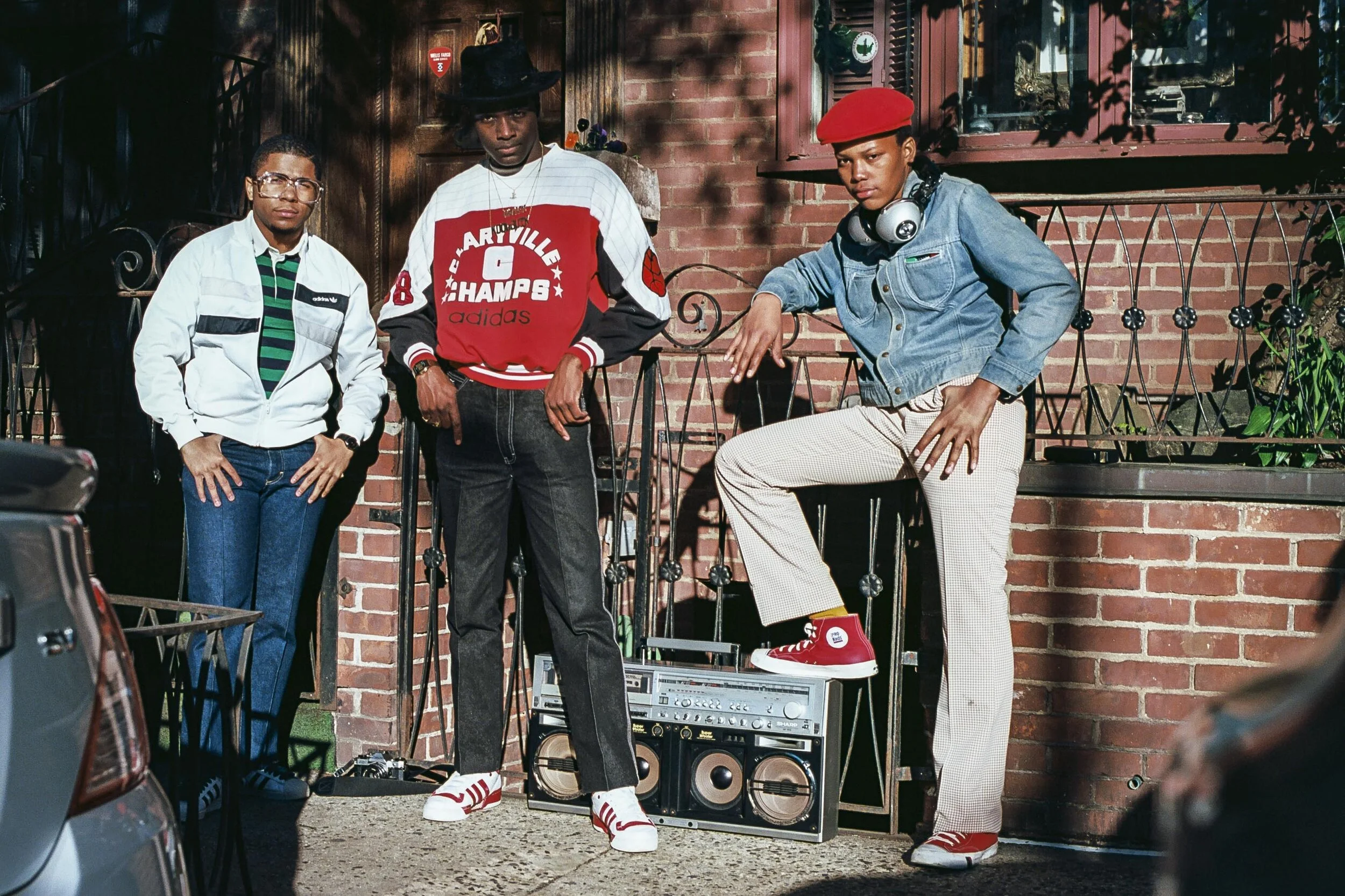
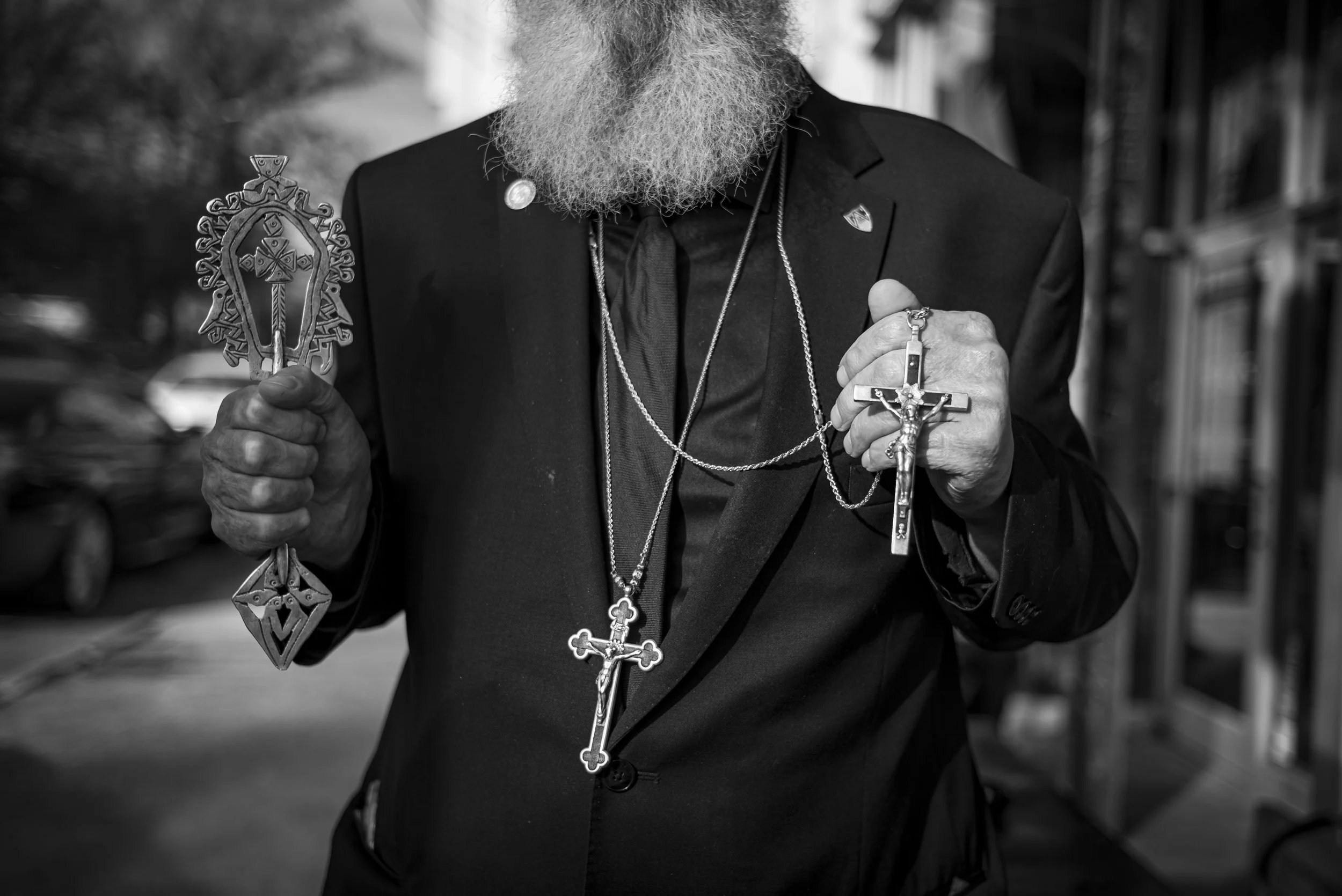

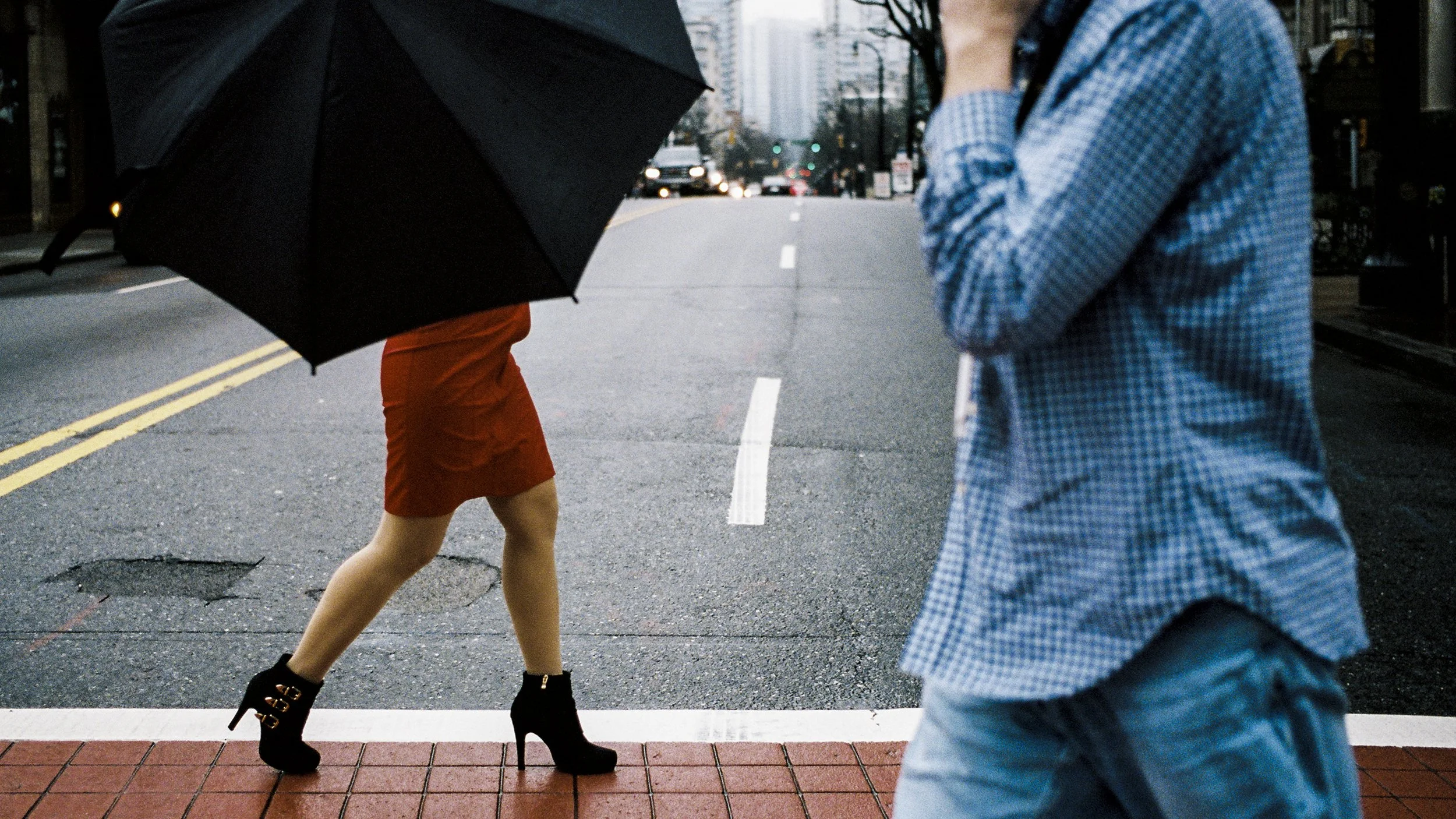
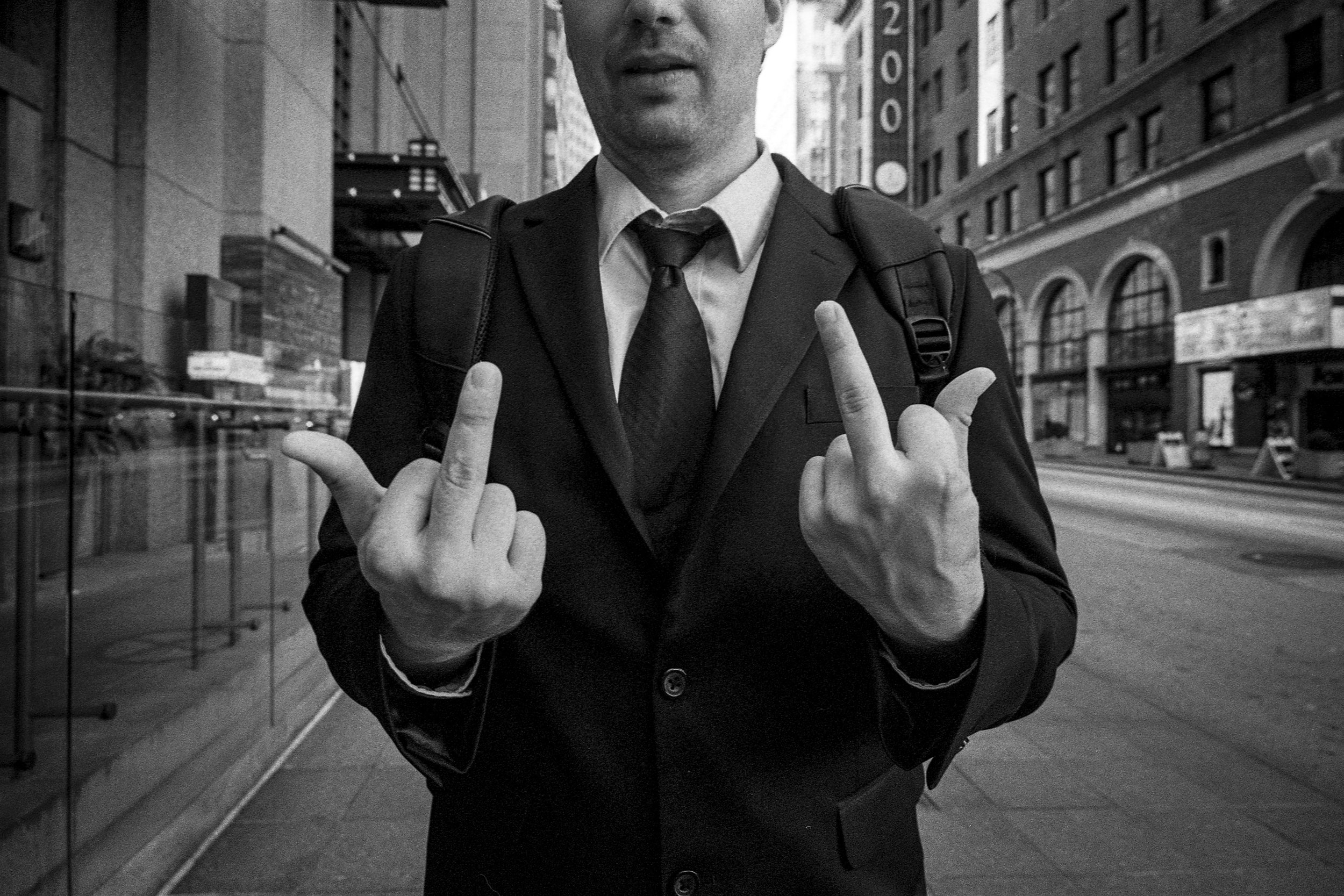
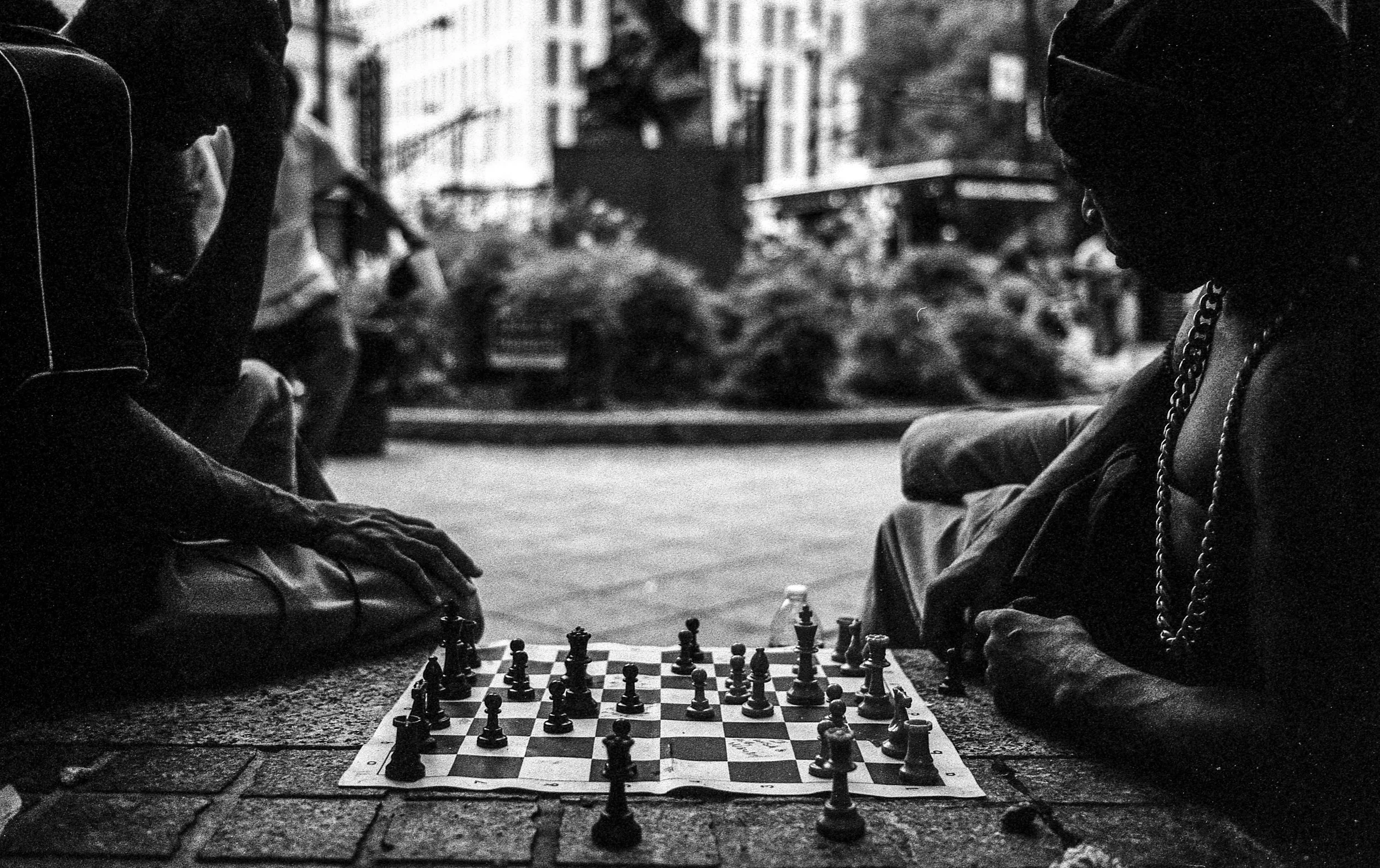
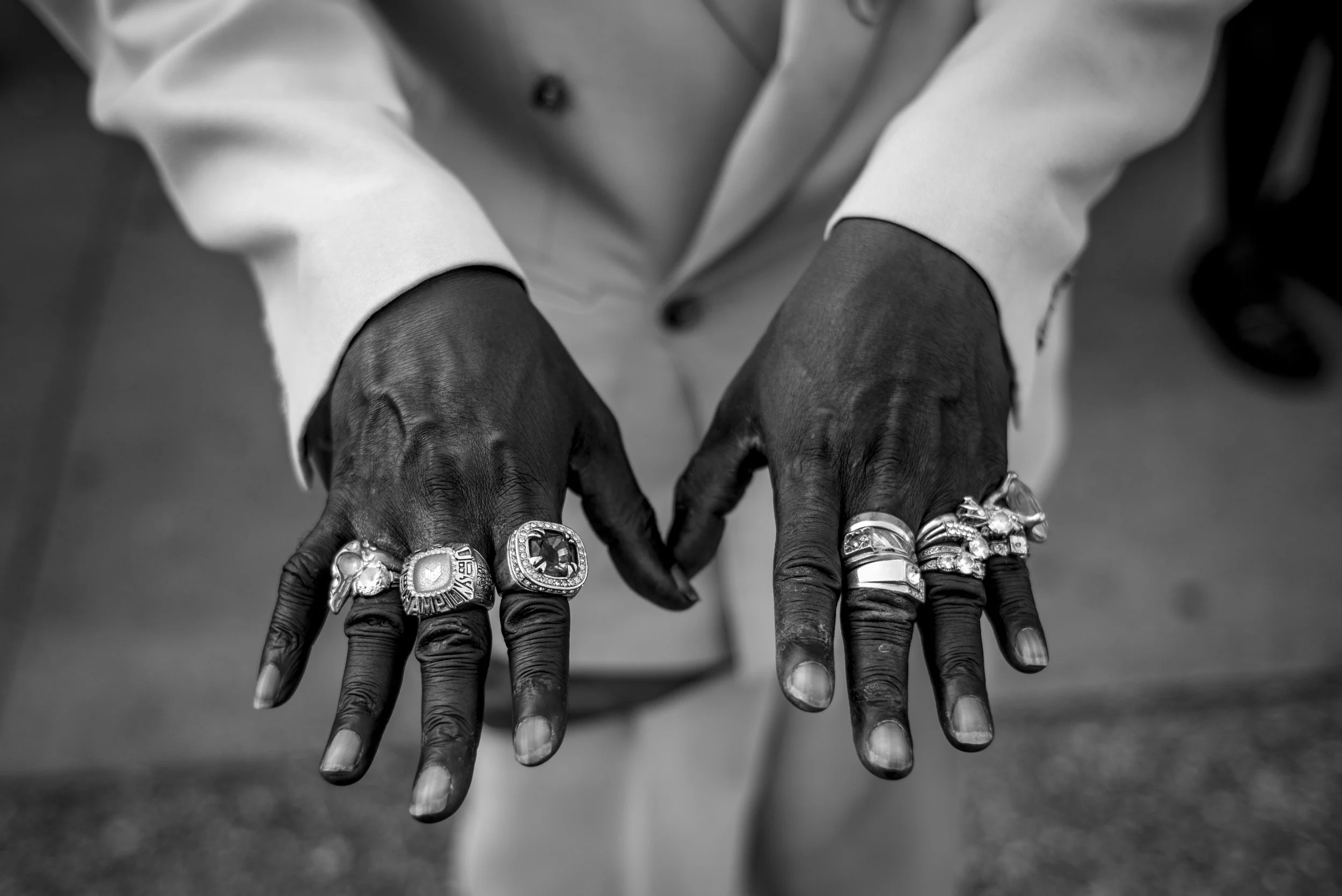
Growing up, I was taught that Black men survive by staying strong, silent, and unaffected. Laughter and tears were seen as weakness. In moments of crisis, the answer was to “pray about it”, “think positively”, and “just keep going”. Moreover, Therapy was for rich white people. That silence and invalidation has consequences: from 2018 to 2023, the age-adjusted suicide rate among Black Americans rose 25.2%, including increases of 29.4% among ages 10–24 and 29.2% among ages 25–44 per the CDC.
I carried trauma, a mentally and physically abusive marriage, alcoholism, and the weight of being a single parent all on my own. When I finally found the courage to seek help, a counselor challenged me to “photograph happiness” so, I took my camera into the streets looking for it. At first, I found only pain and anger. Everyone seemed to reflect exactly what I was carrying. Then I remembered that the camera looks both ways.
“Therapy” grew from that realization. For over a decade, I photographed people whose lives, gestures, scars, humor, rage, faith, loneliness, and survival mirrored my own. These photographs are not made from the typical desire many photographers have to “be invisible”. I have a real problem with that idea. To truly see someone, I believe you must acknowledge them. Photography is a two-way street. When I allow myself to be seen, the person in front of my camera enters the conversation with trust, respect, and sincerity.
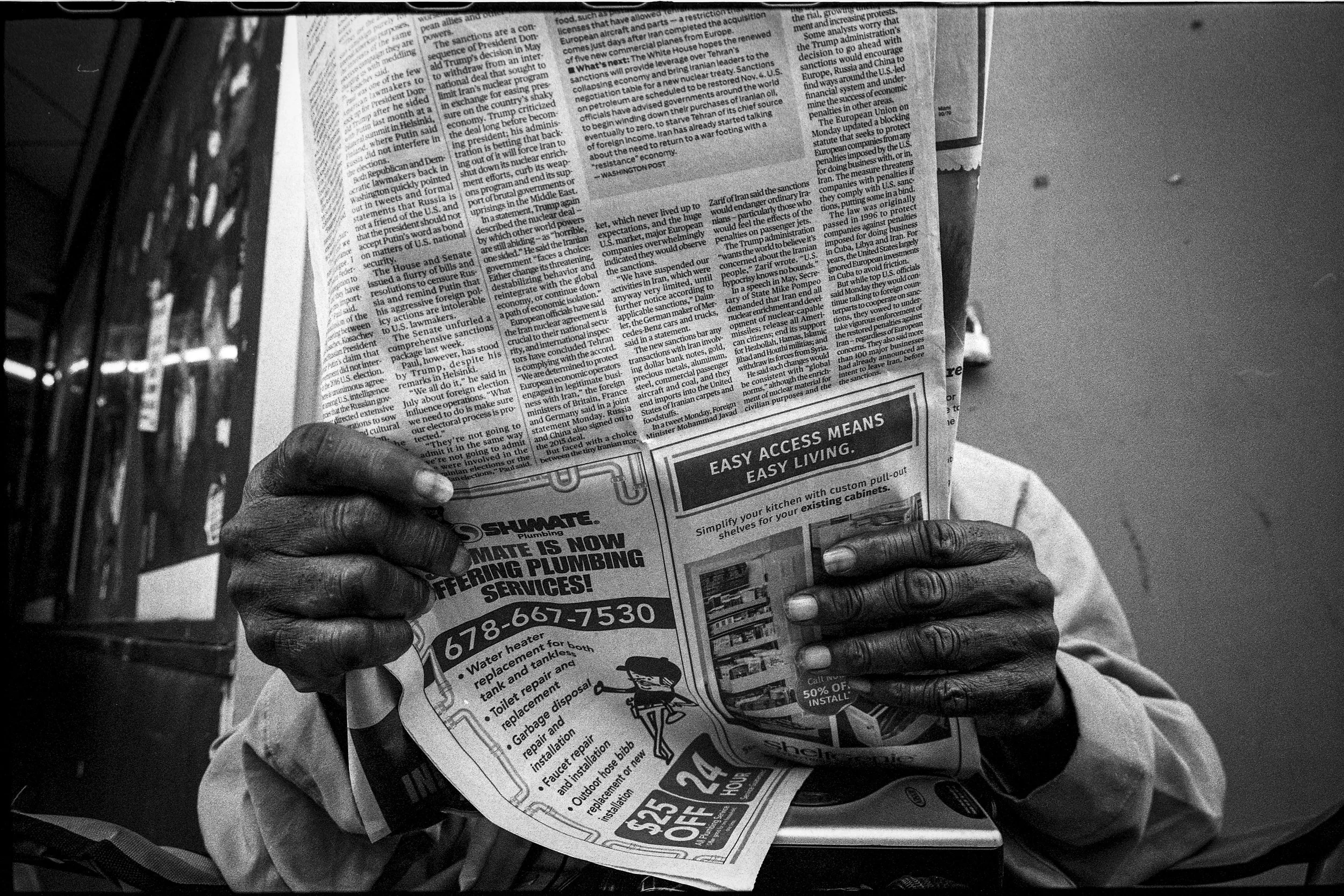
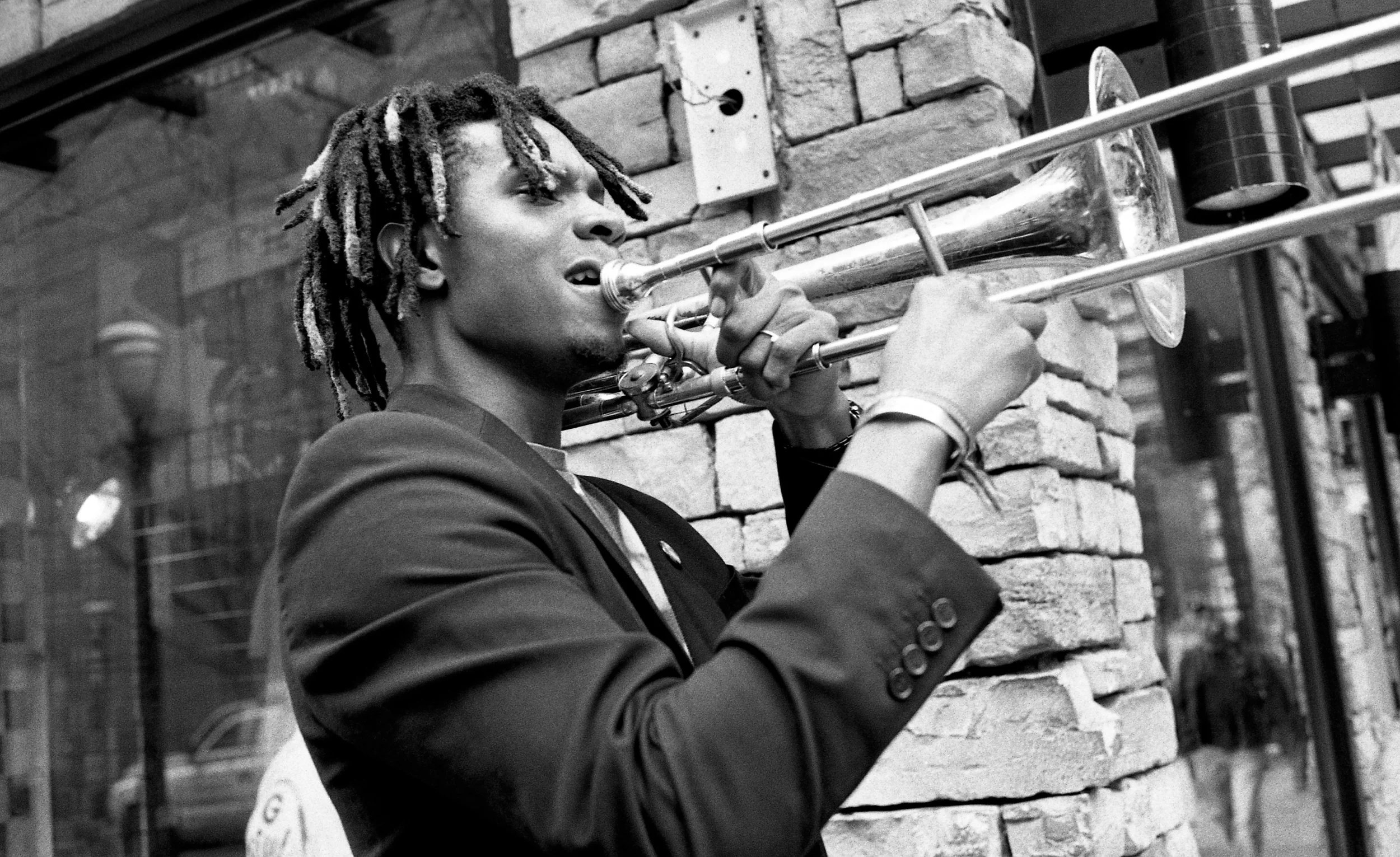
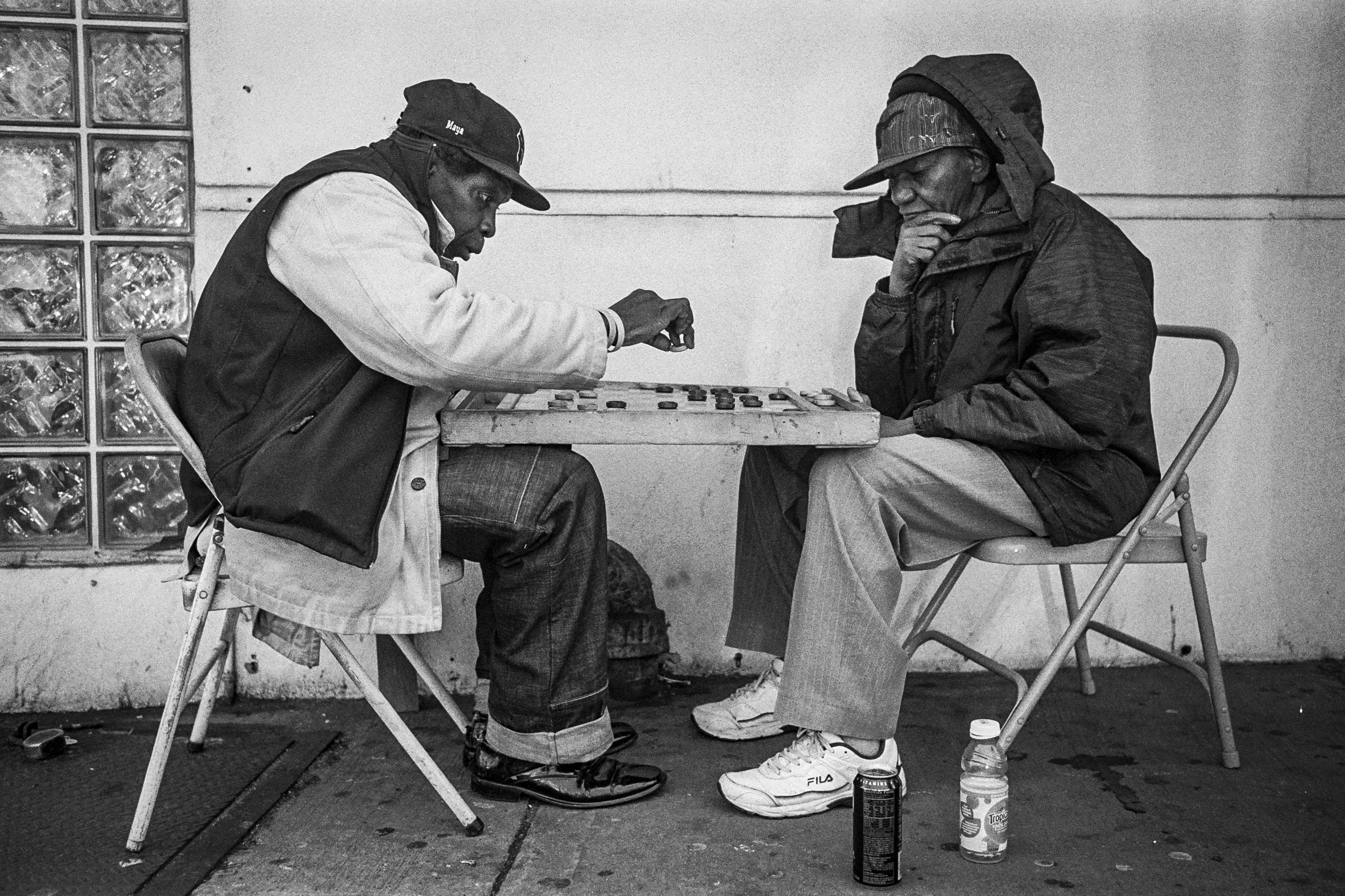
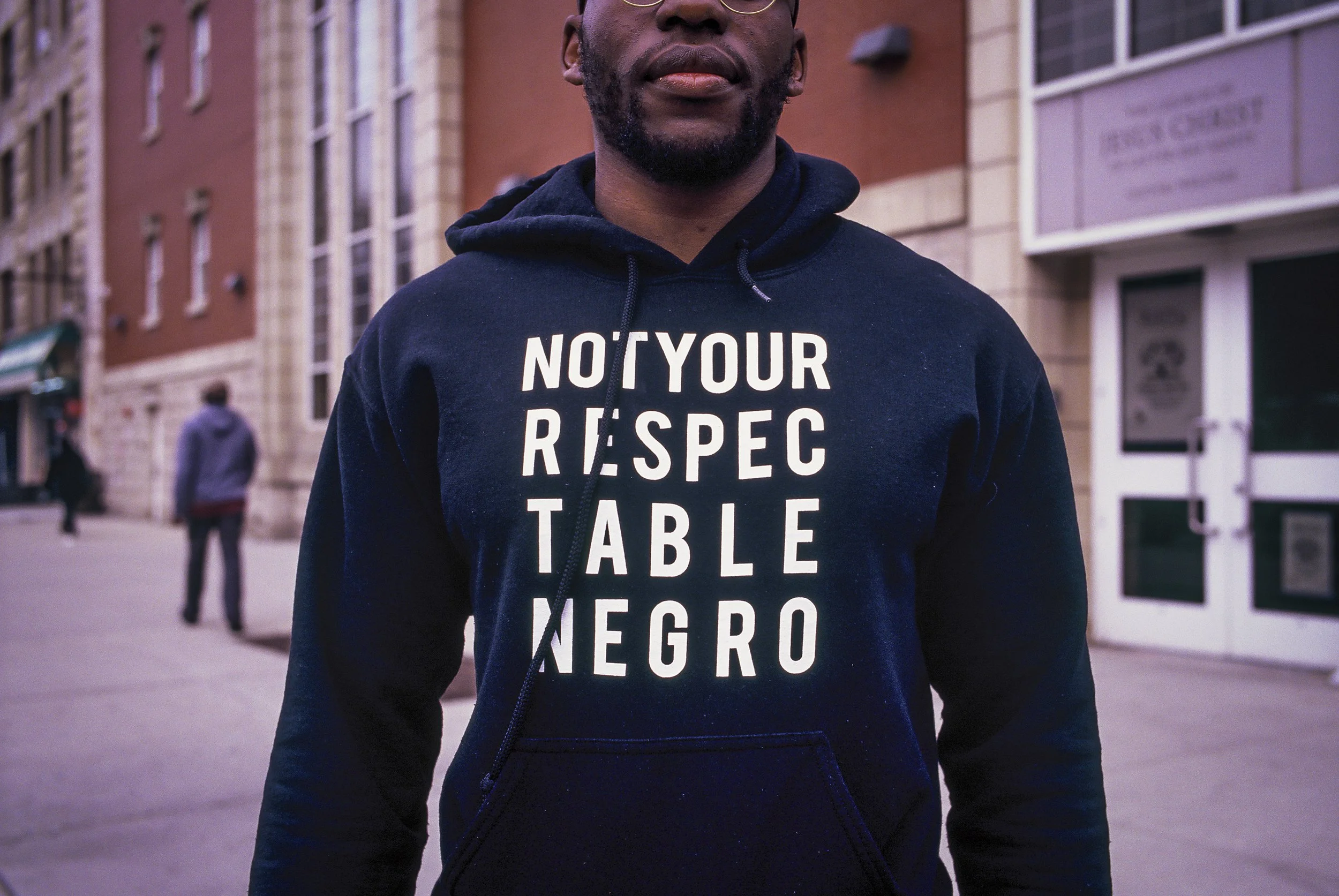
Those conversations often move beyond the street and into homes, workplaces, and private moments. I get closer because context matters. A hand gripping a newspaper, a mother nursing her child, strangers playing chess, laughter, fear, and defiance become evidence of lives too easily flattened into stereotypes.
This work is also a conversation around what it means to be seen and valued despite our scars. Black men are often taught to move through the world as if we are at war—even while asleep—while being denied the space to admit fear, ask for comfort, or simply be human. The desire to be seen and valued, however, is not mine alone. Many people leave home each day feeling unheard, unappreciated, or invisible. “Therapy” is my ongoing conversation with them. Through time spent with individuals exploring vulnerability, transparency, and visibility, I’ve learned to have conversations I was taught I should never have out loud. They allowed me to see them honestly, and in them, I learned to see myself.