THERAPY
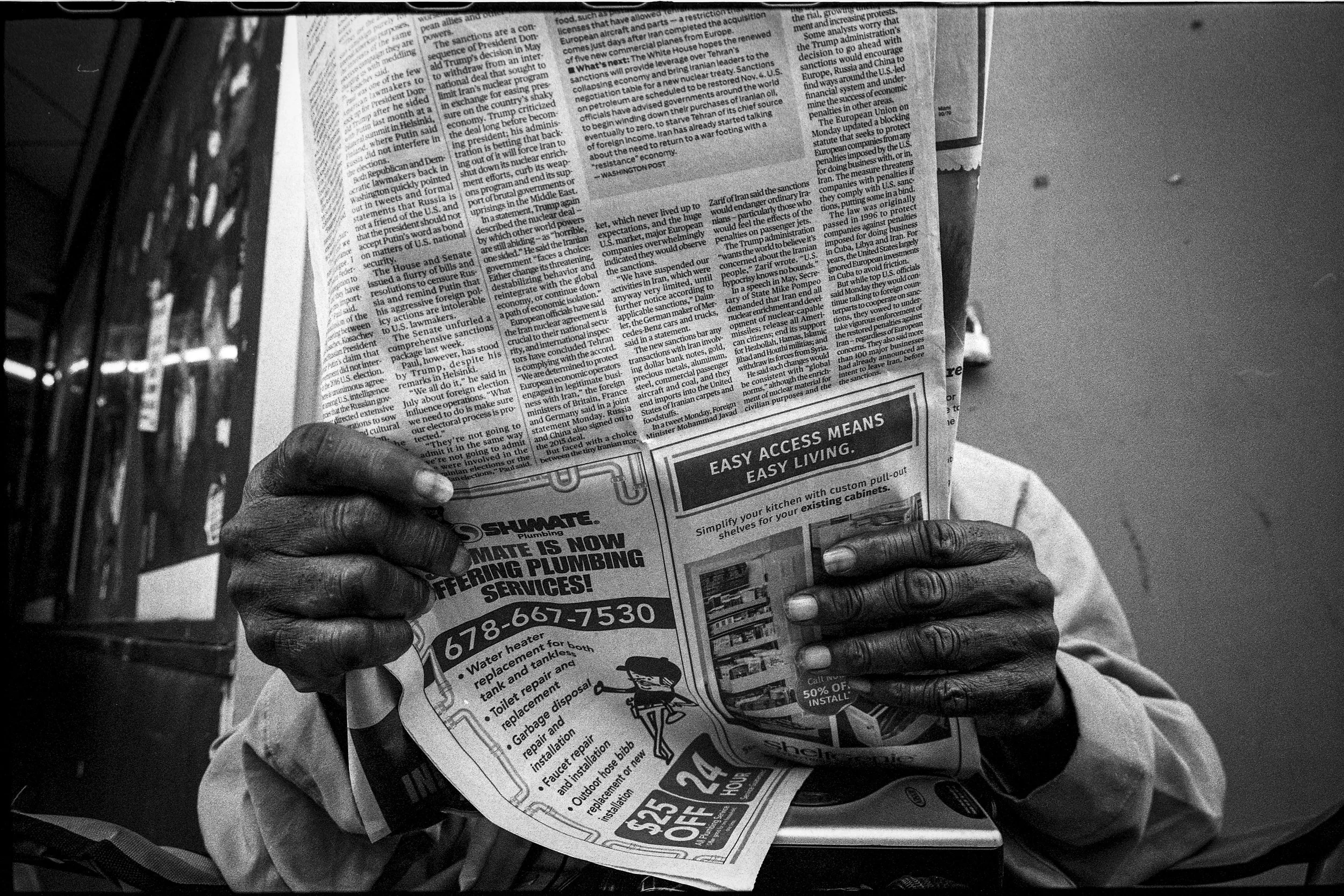
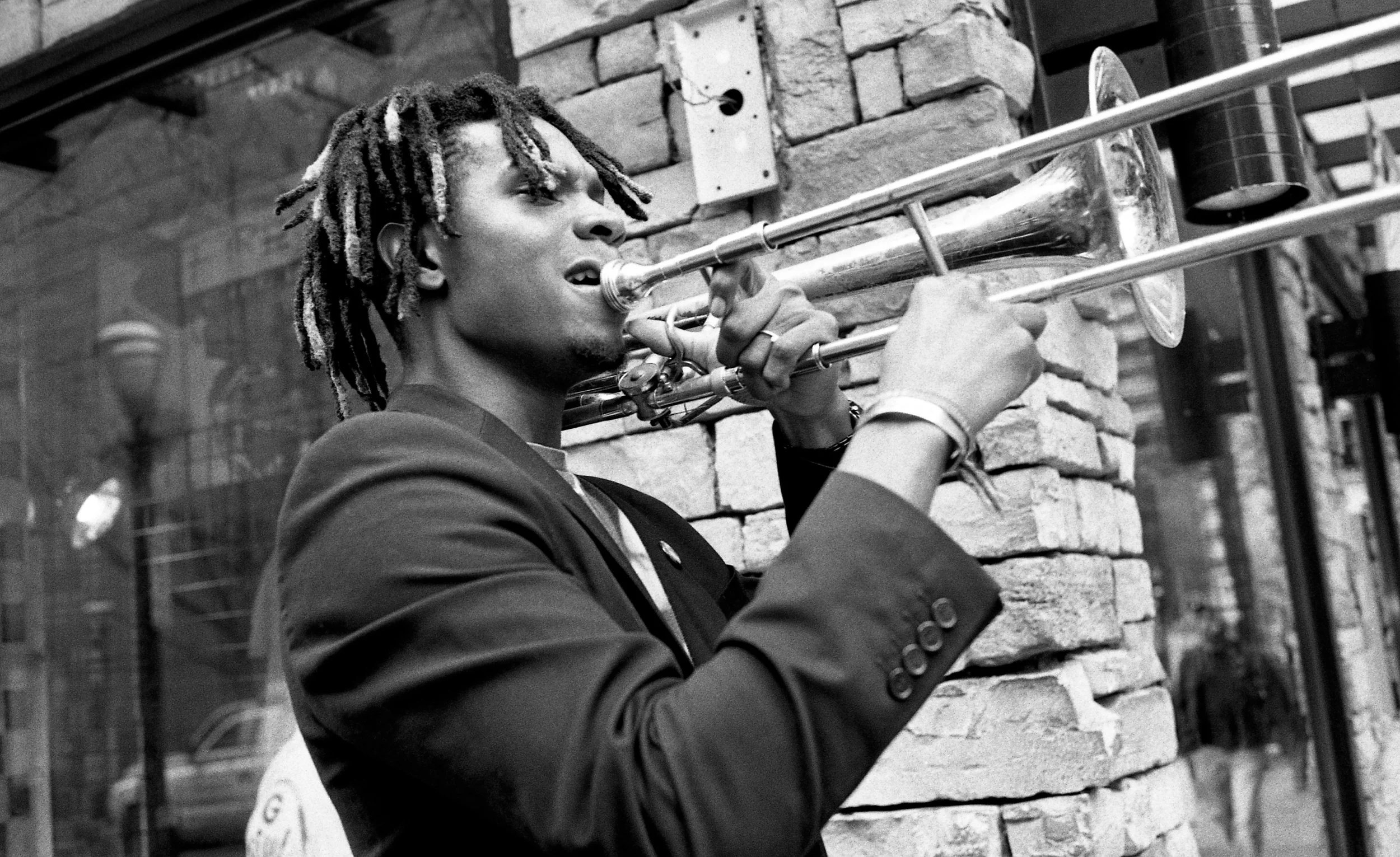
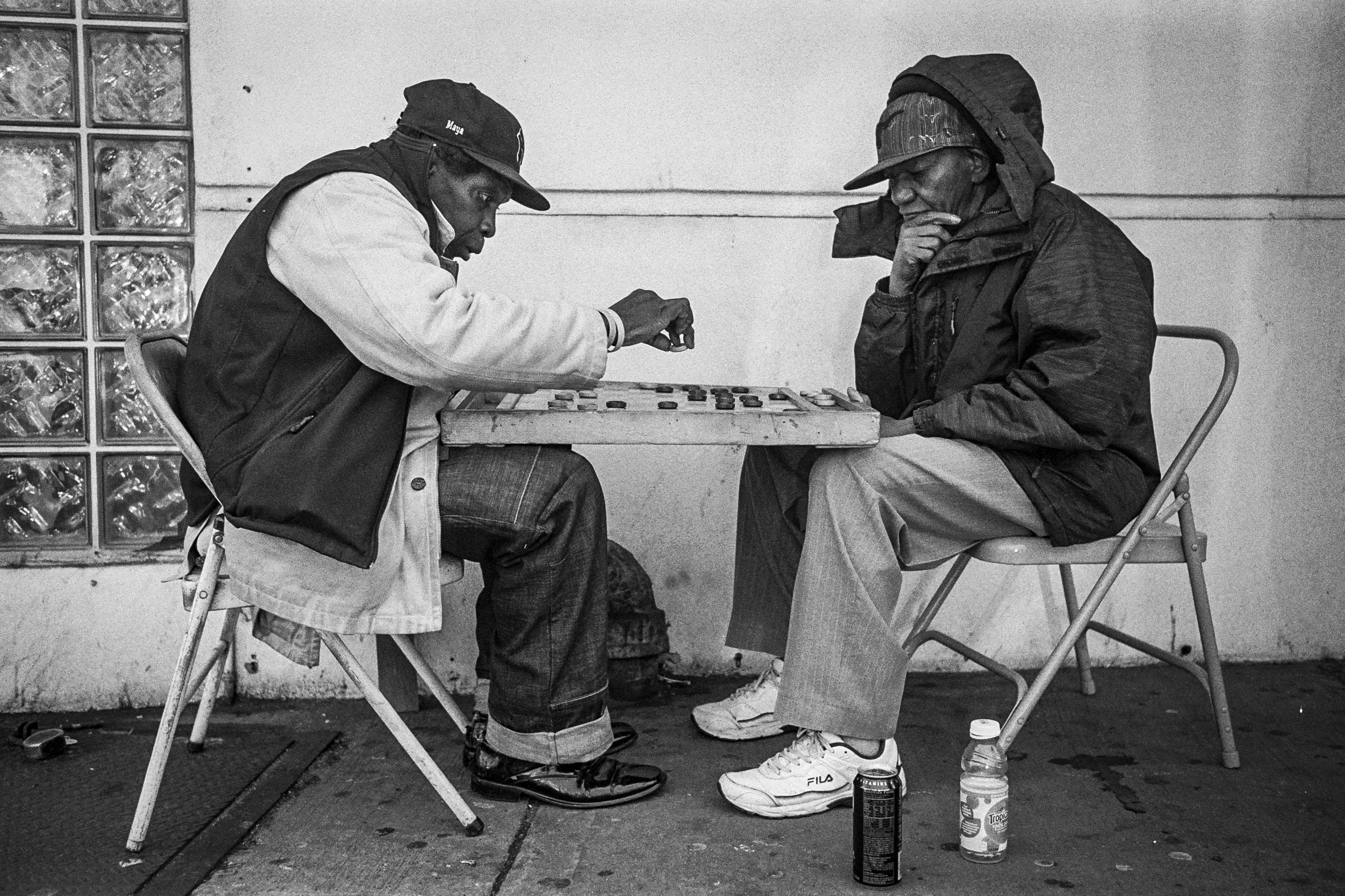
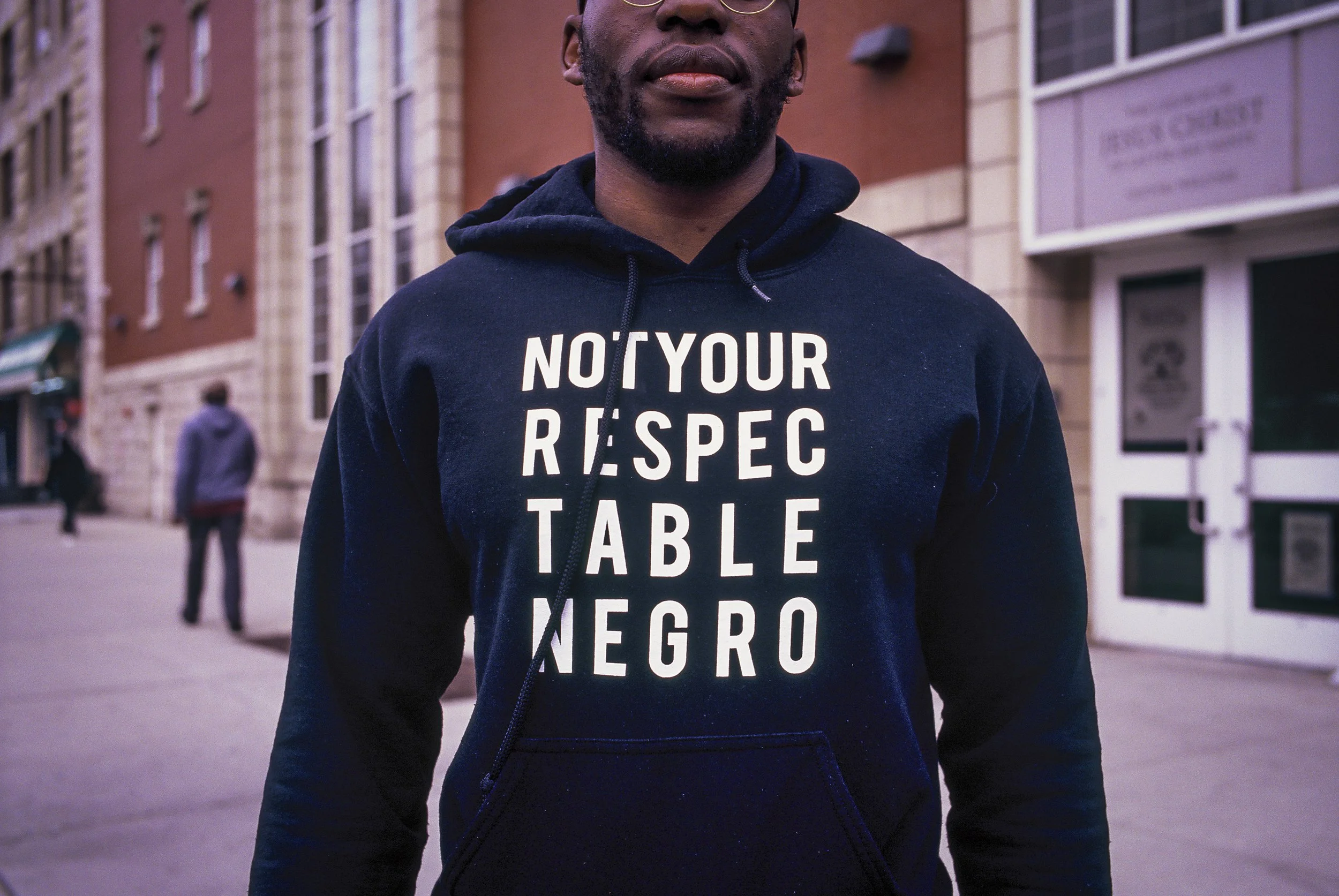
The camera looks both ways and thus, every photograph we make becomes a self portrait.
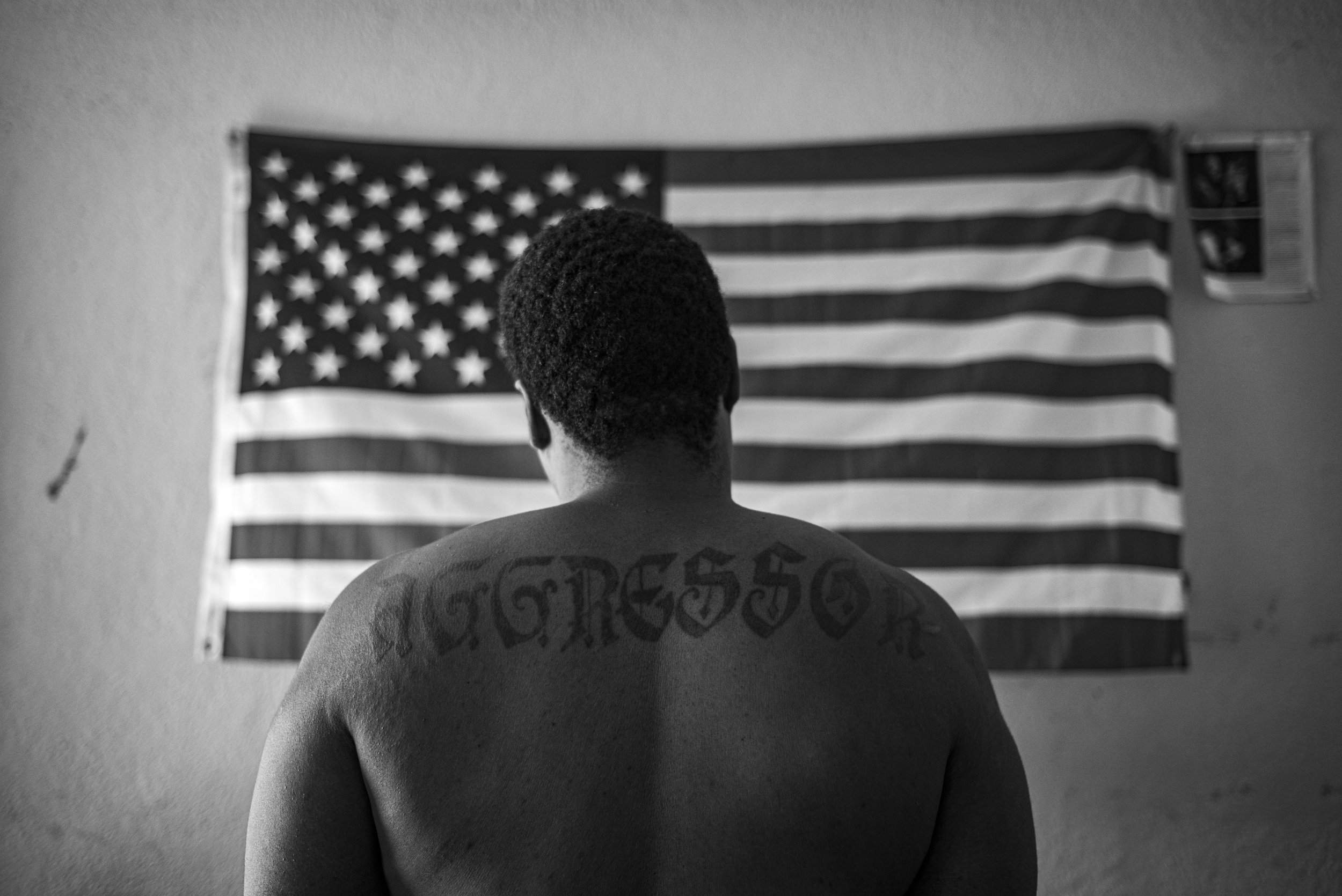
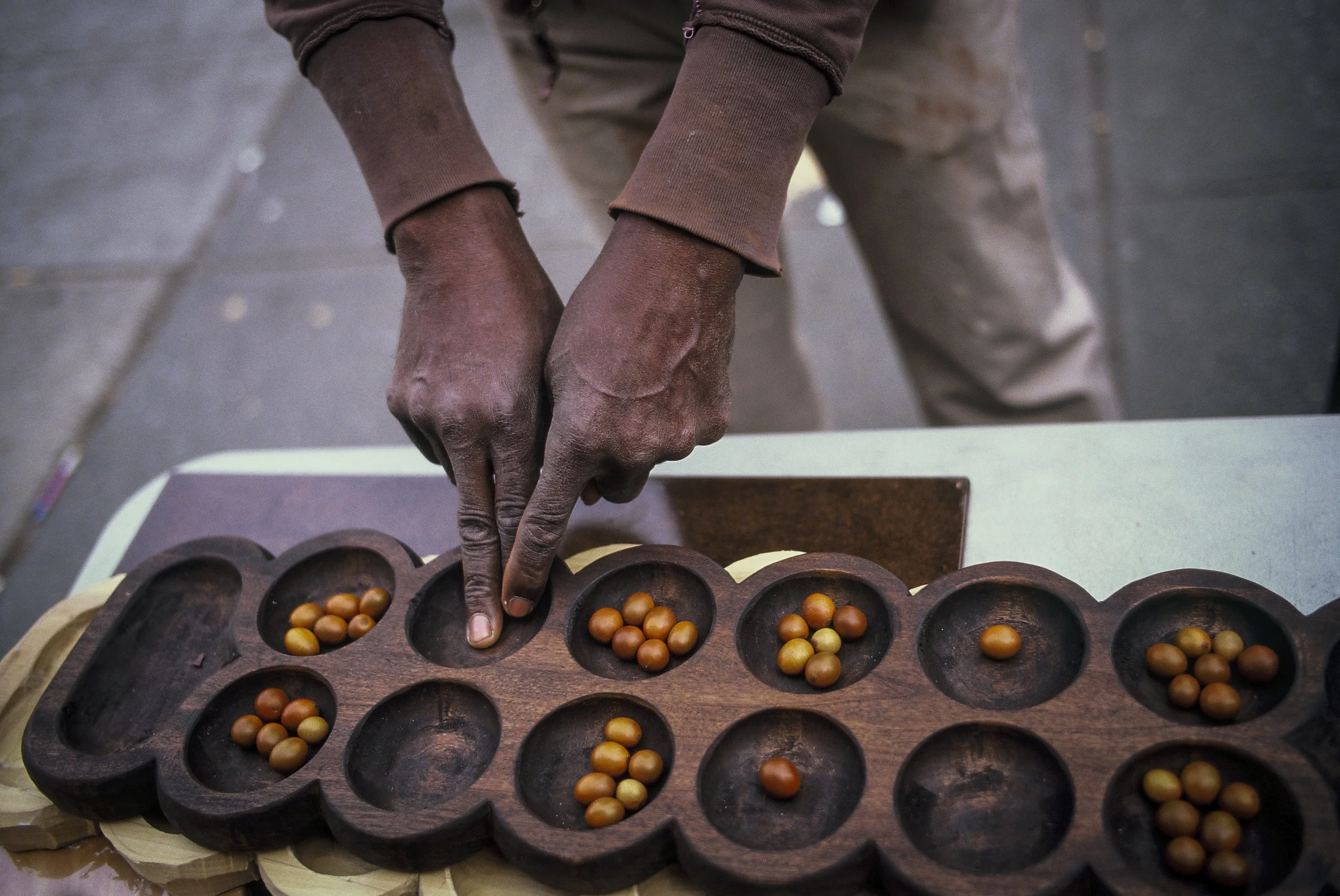
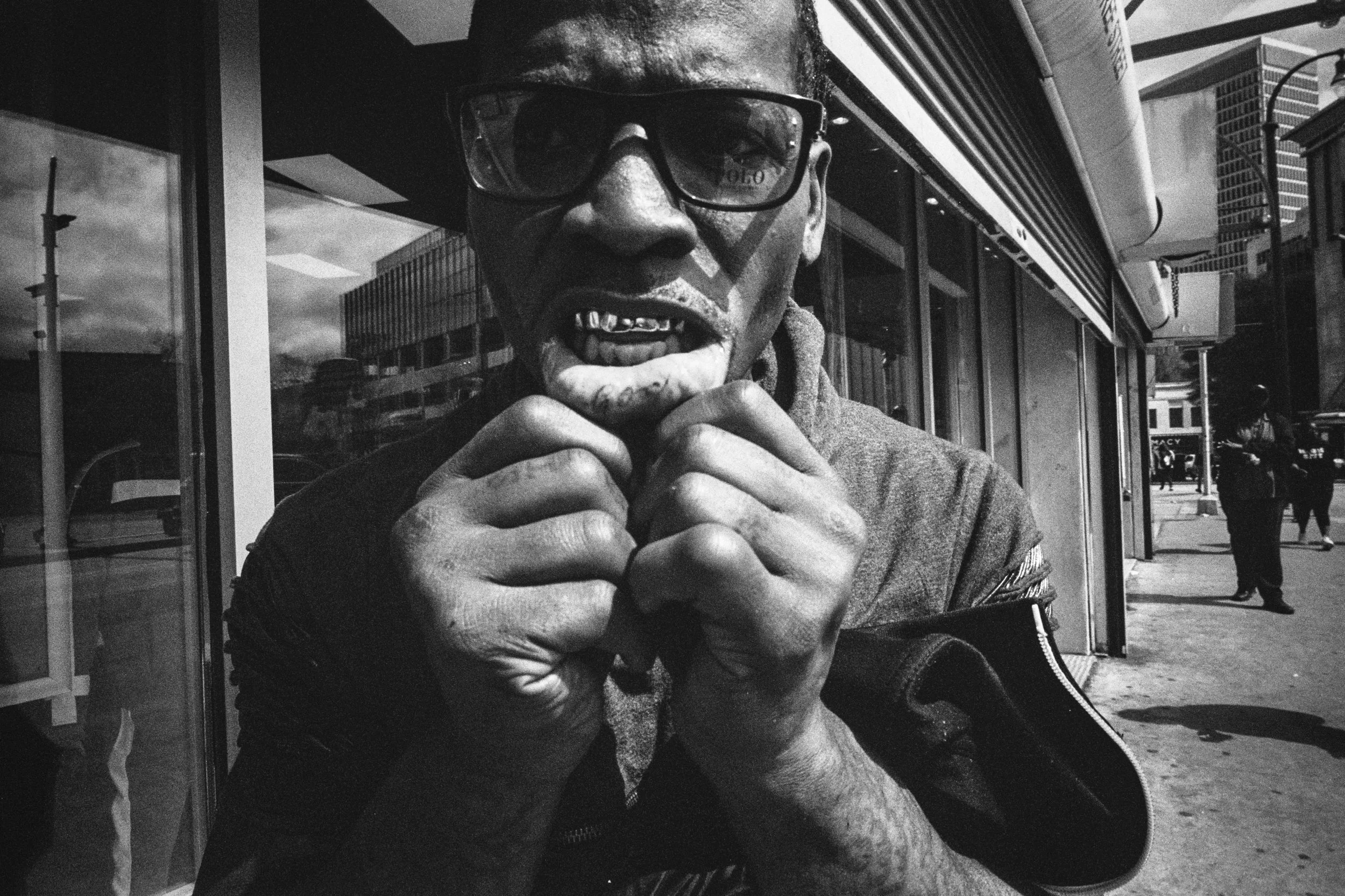
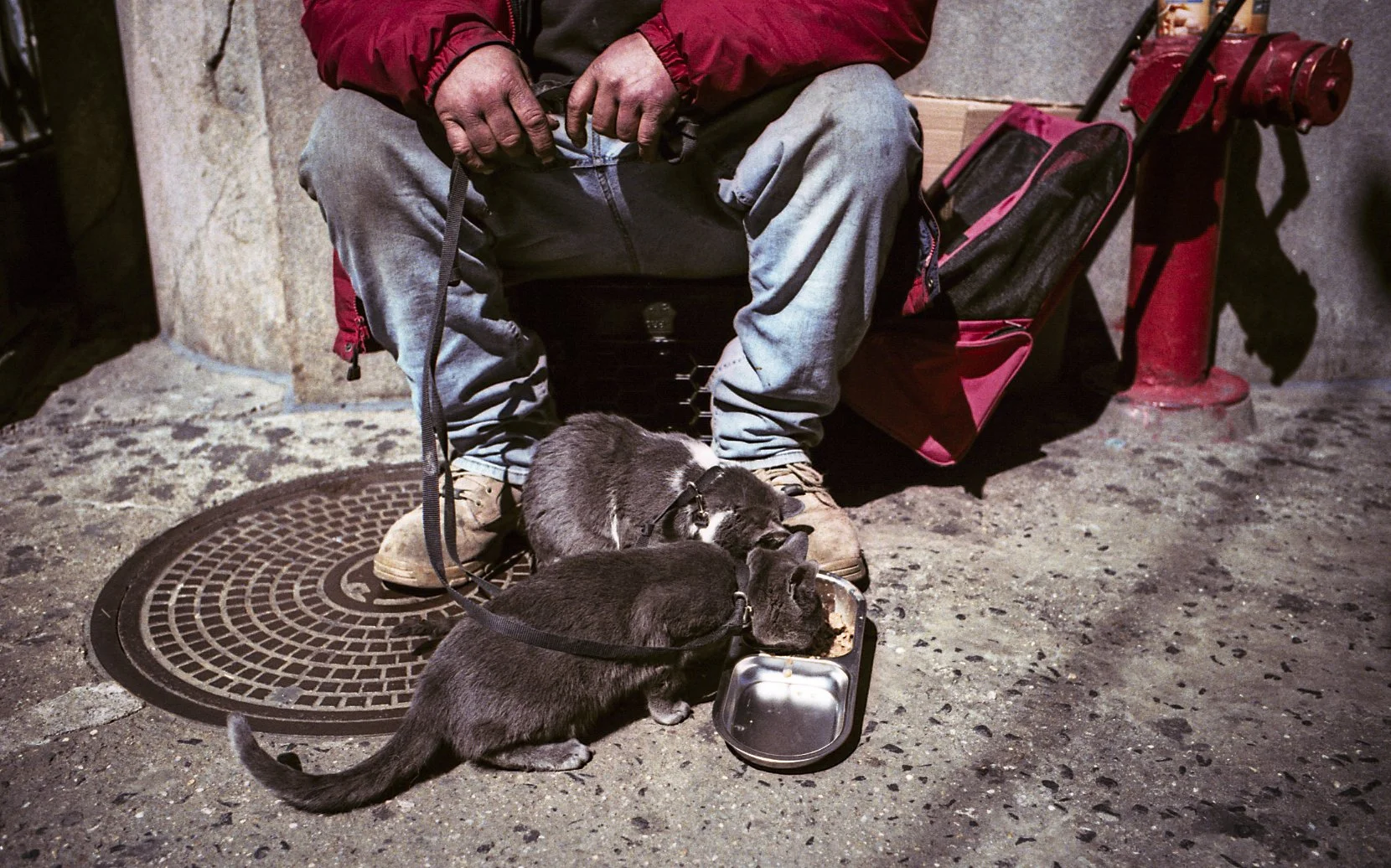
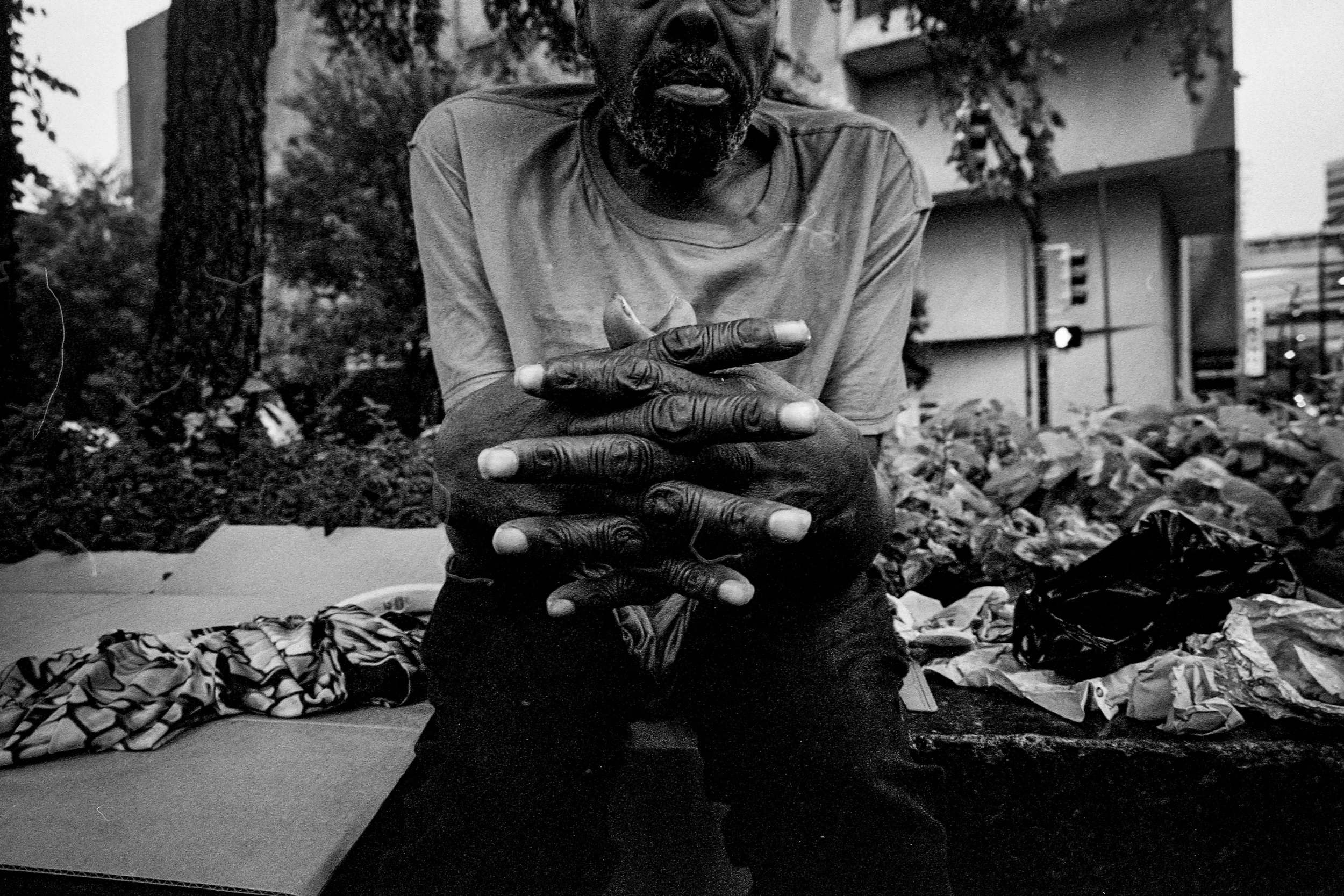
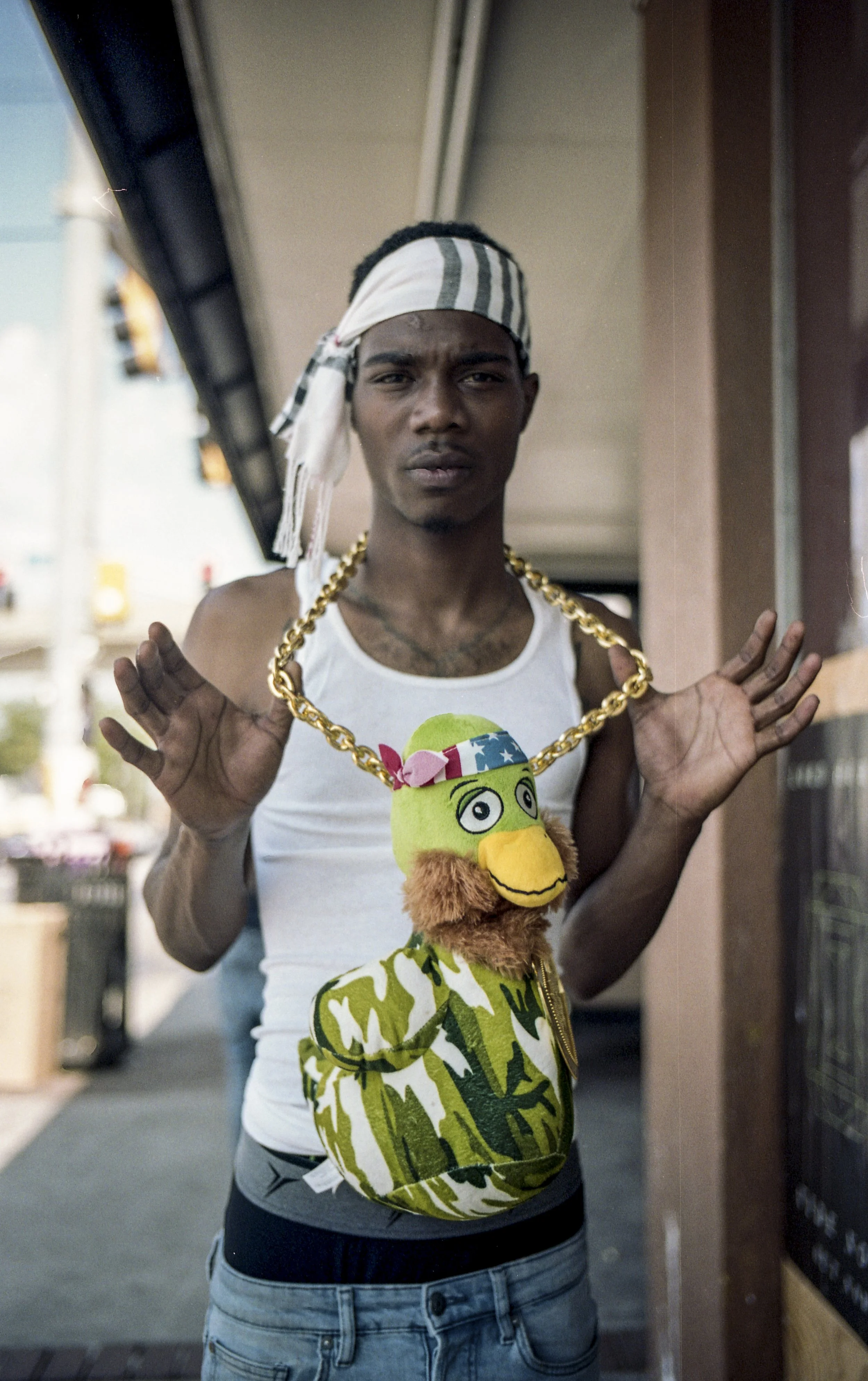
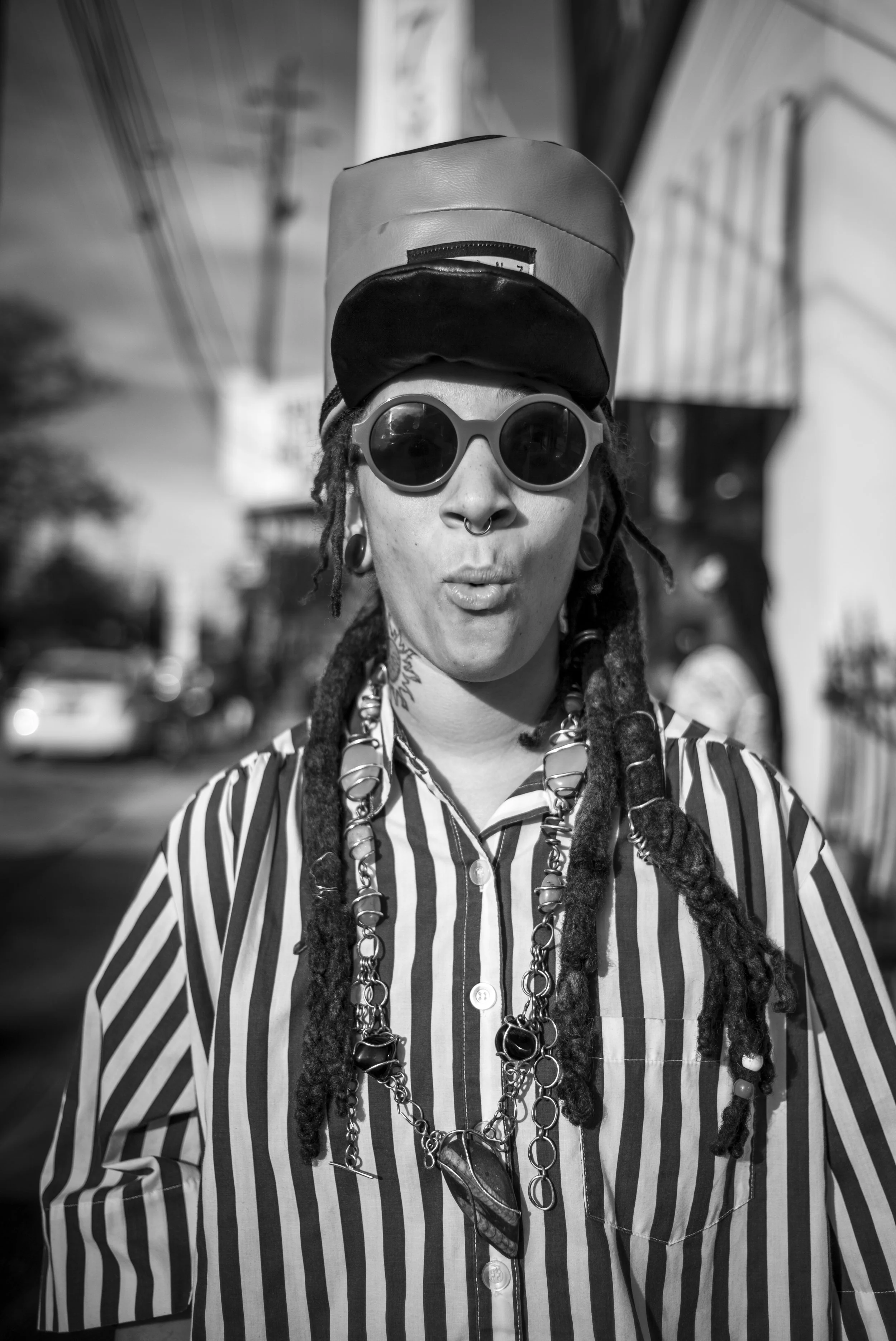
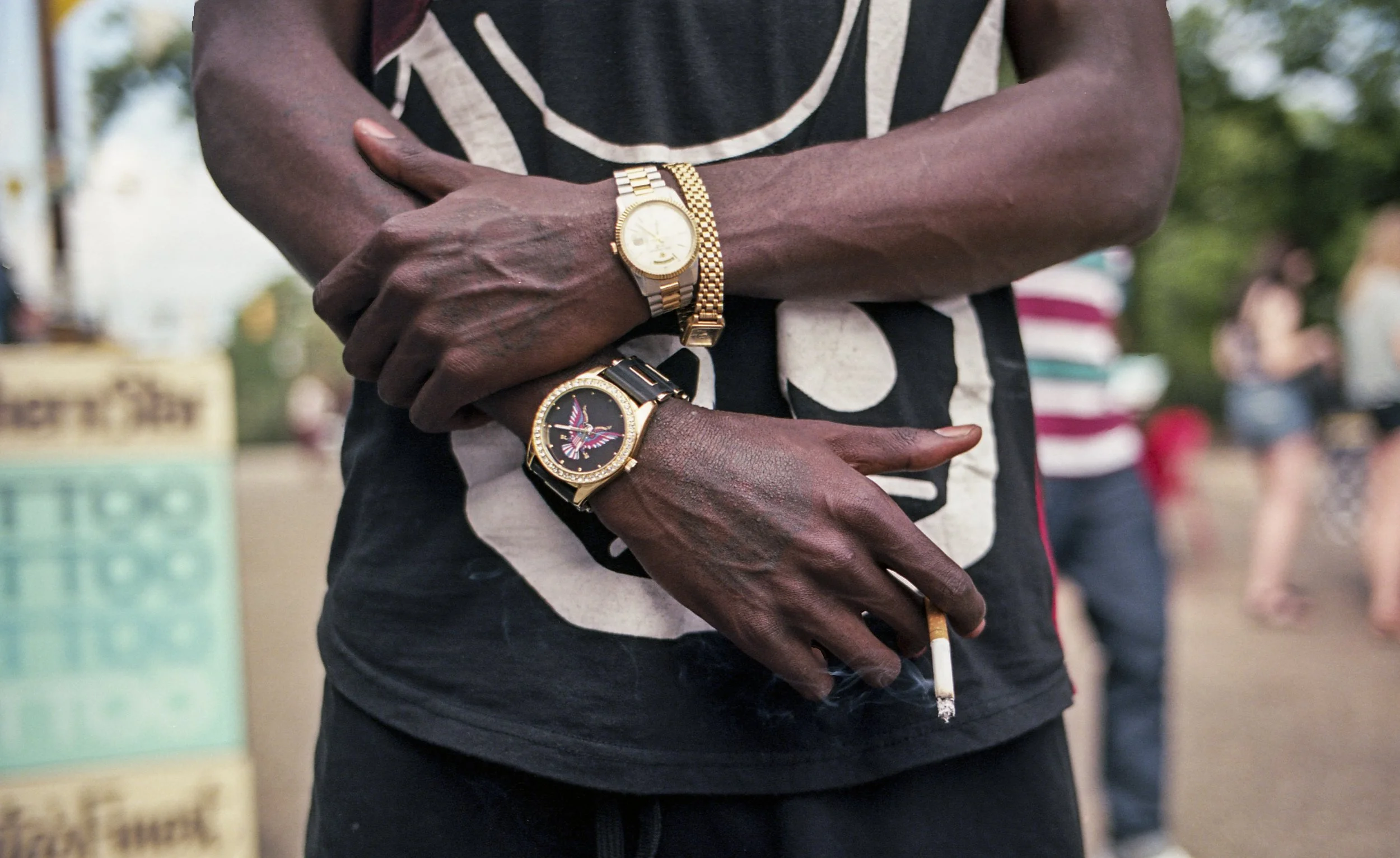
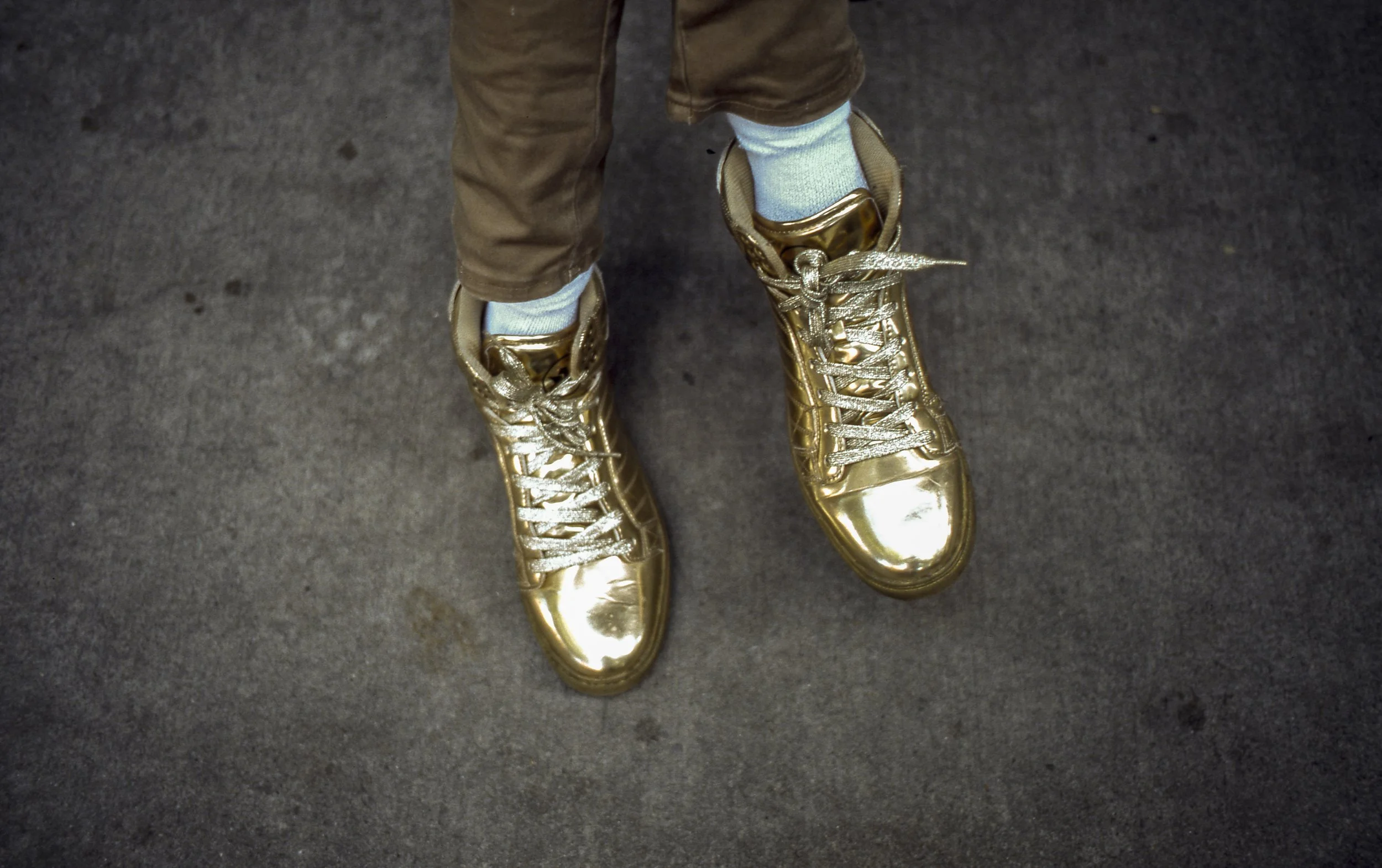
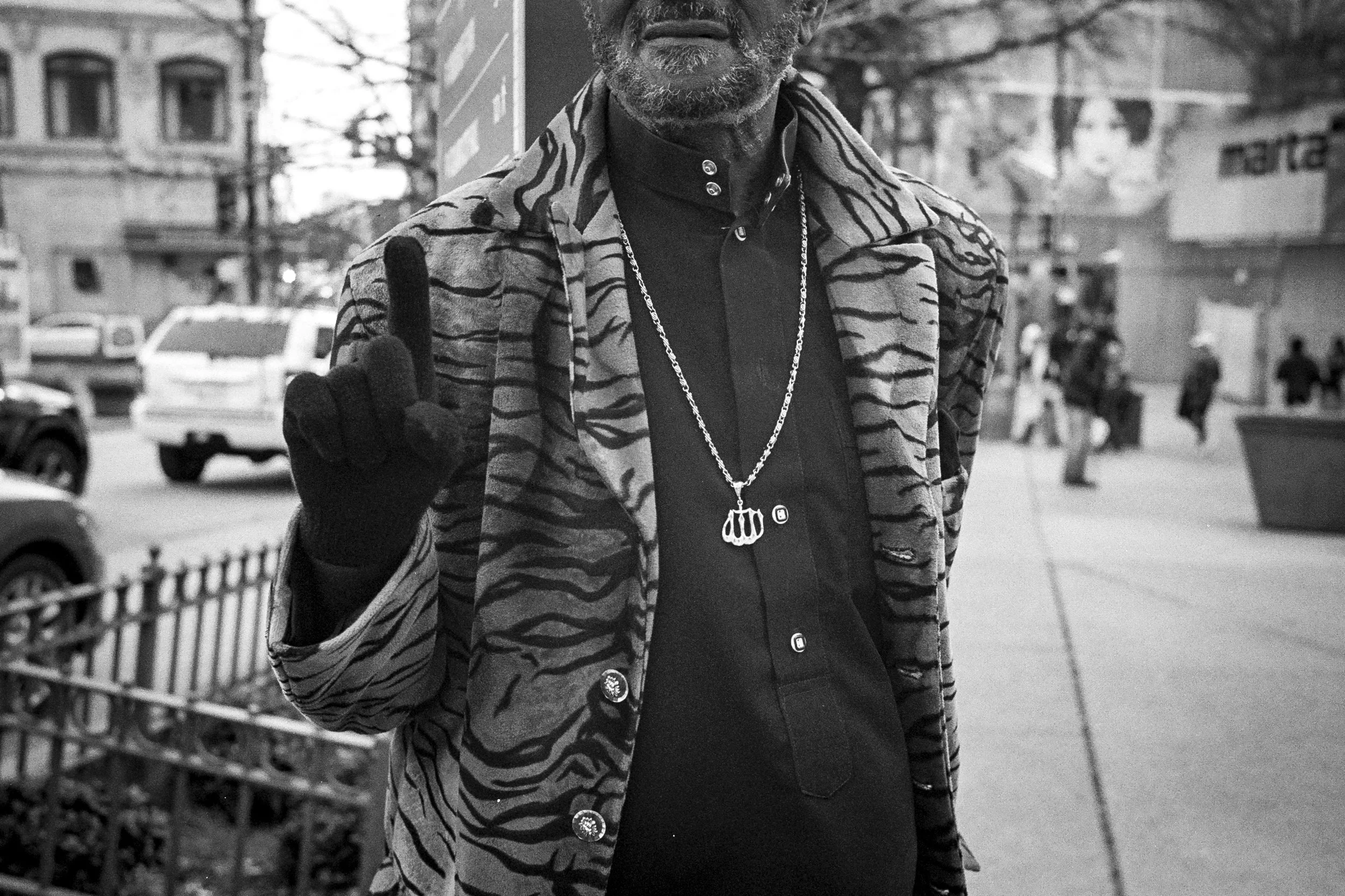
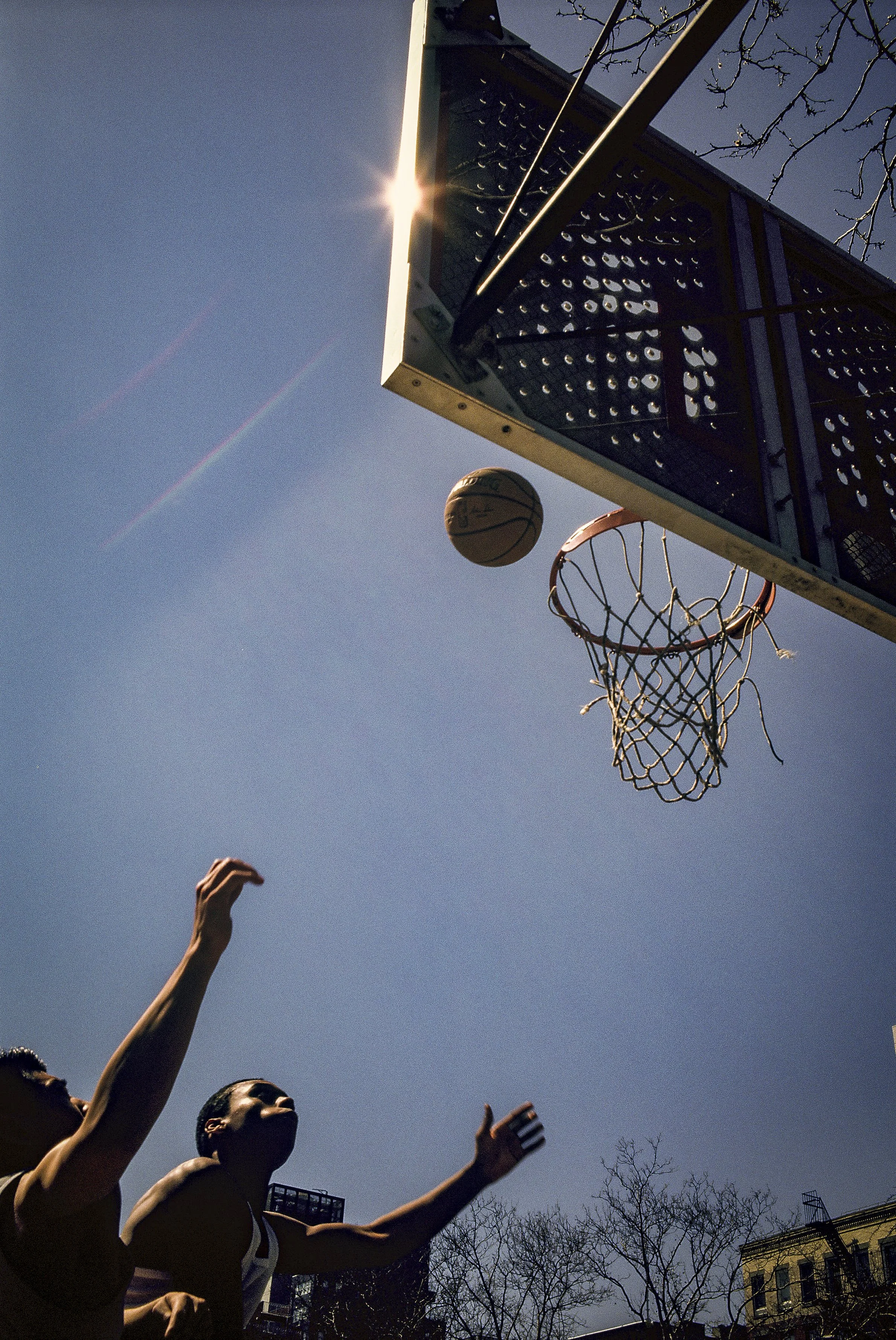
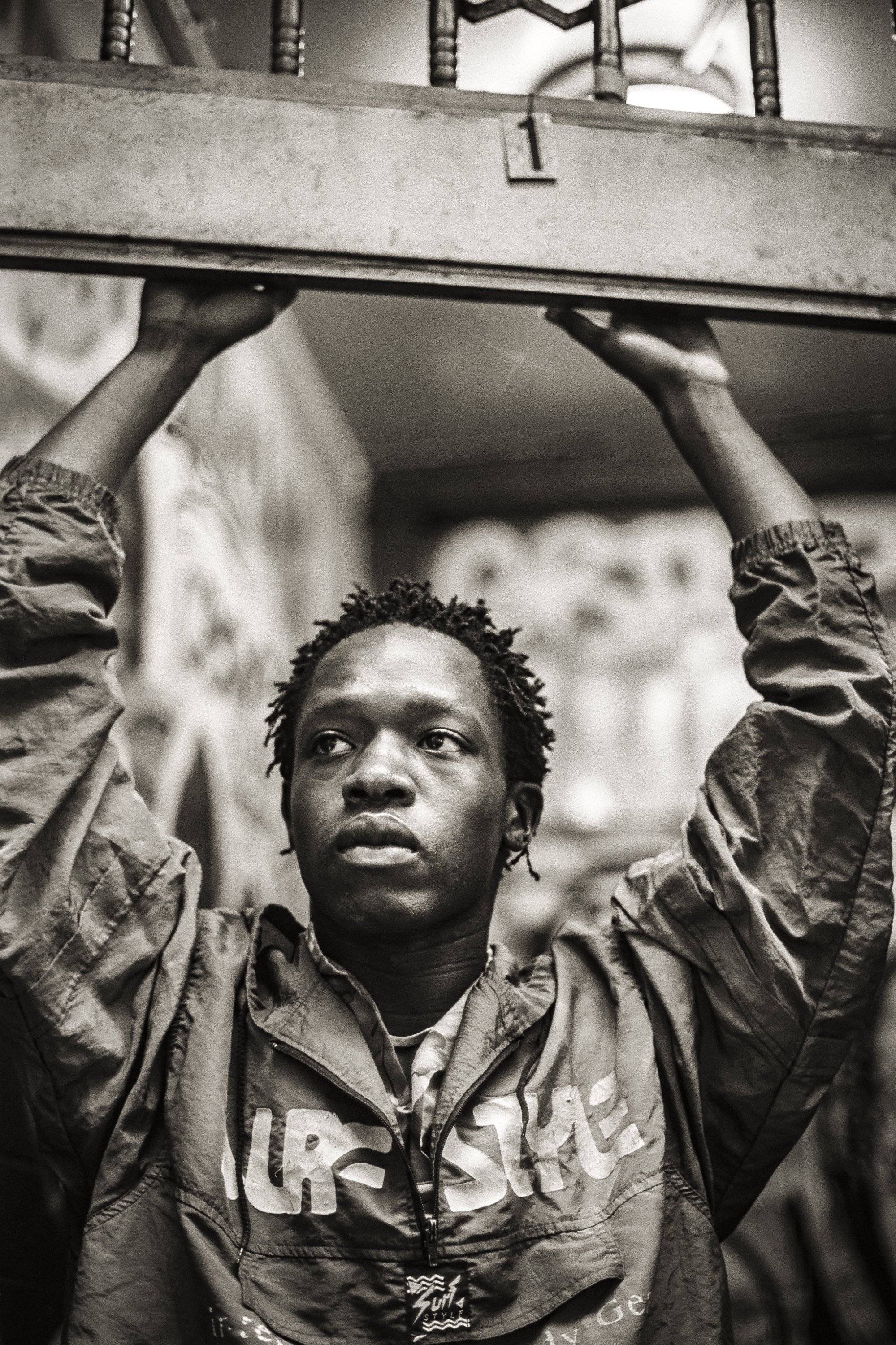
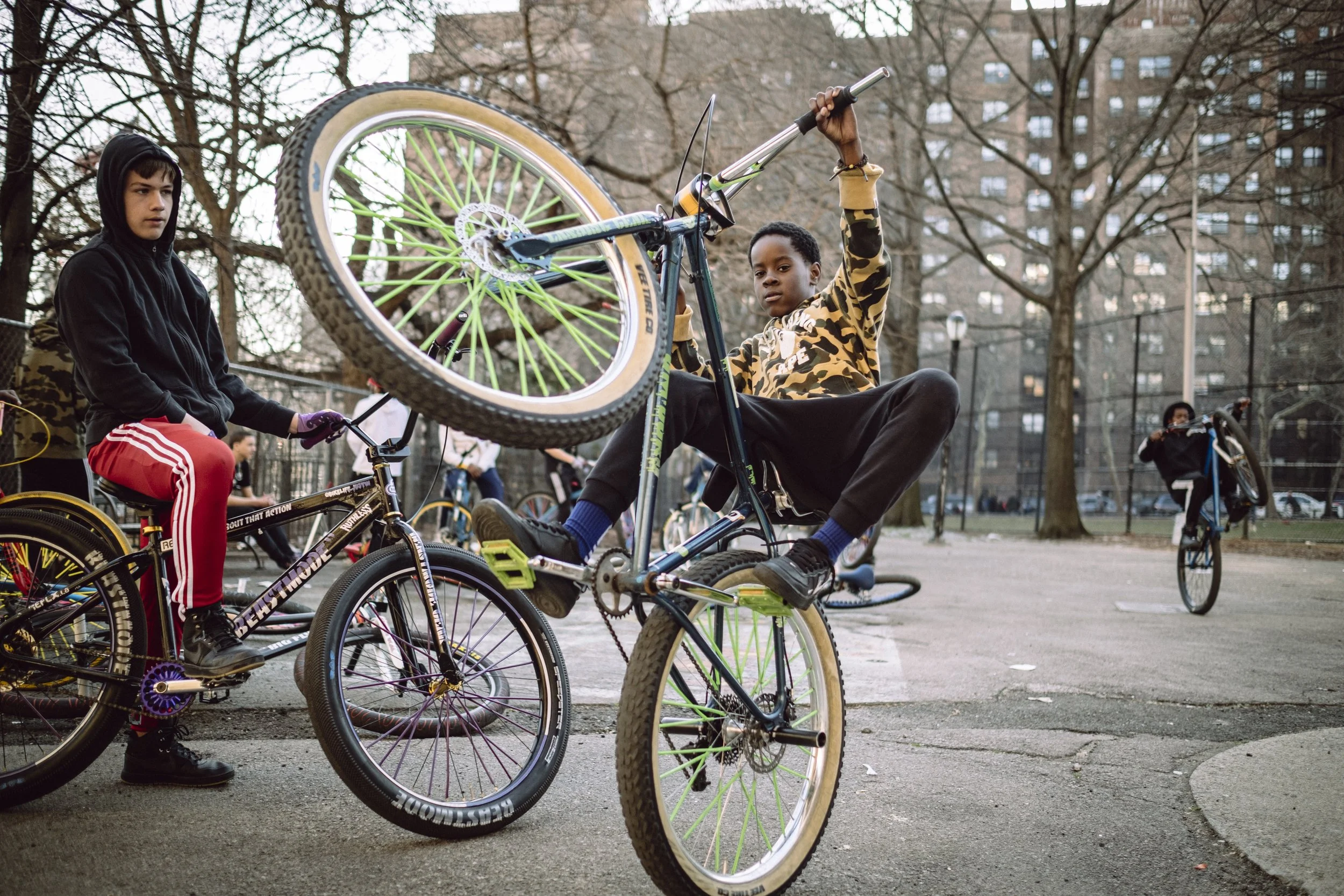
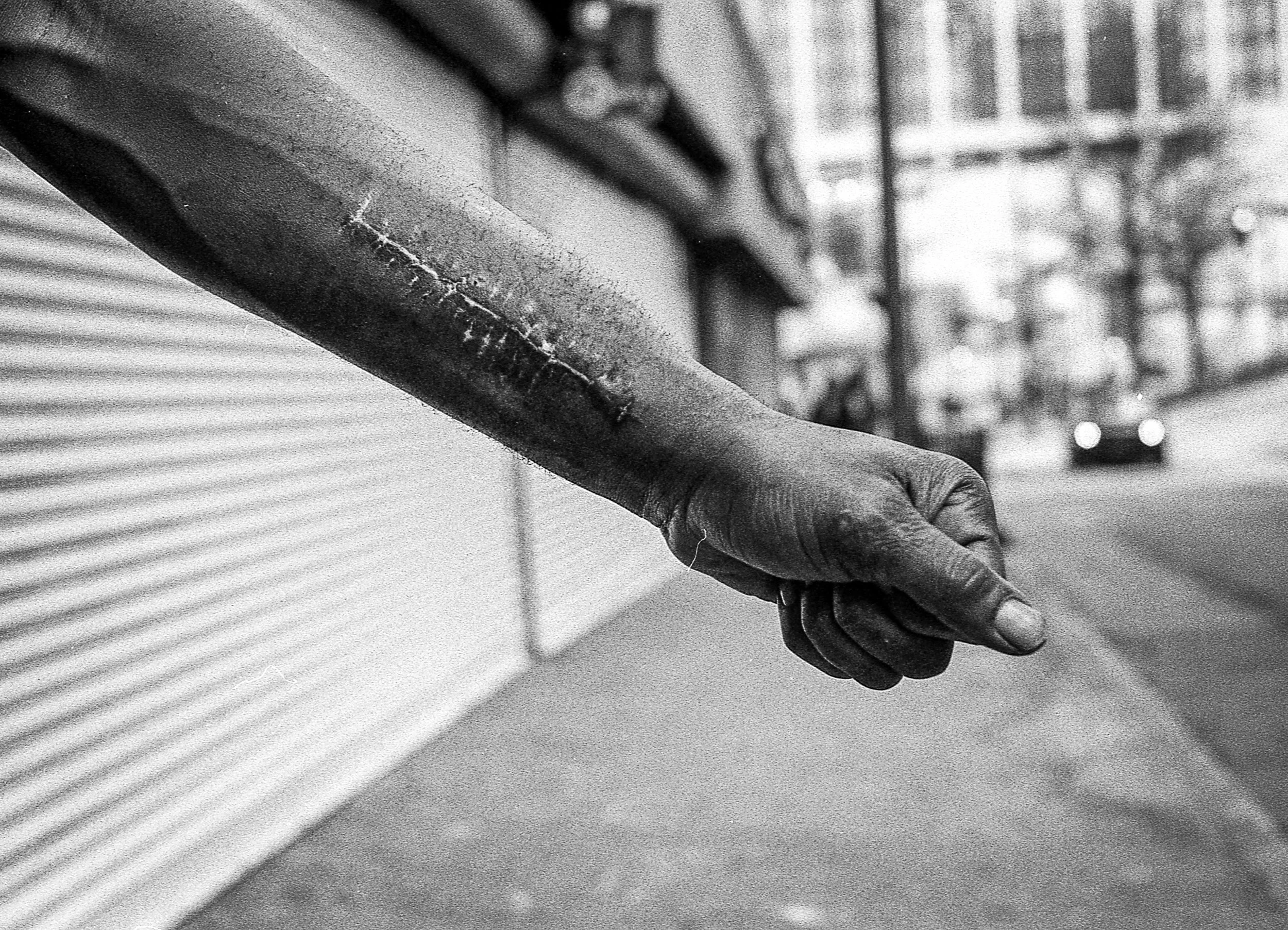
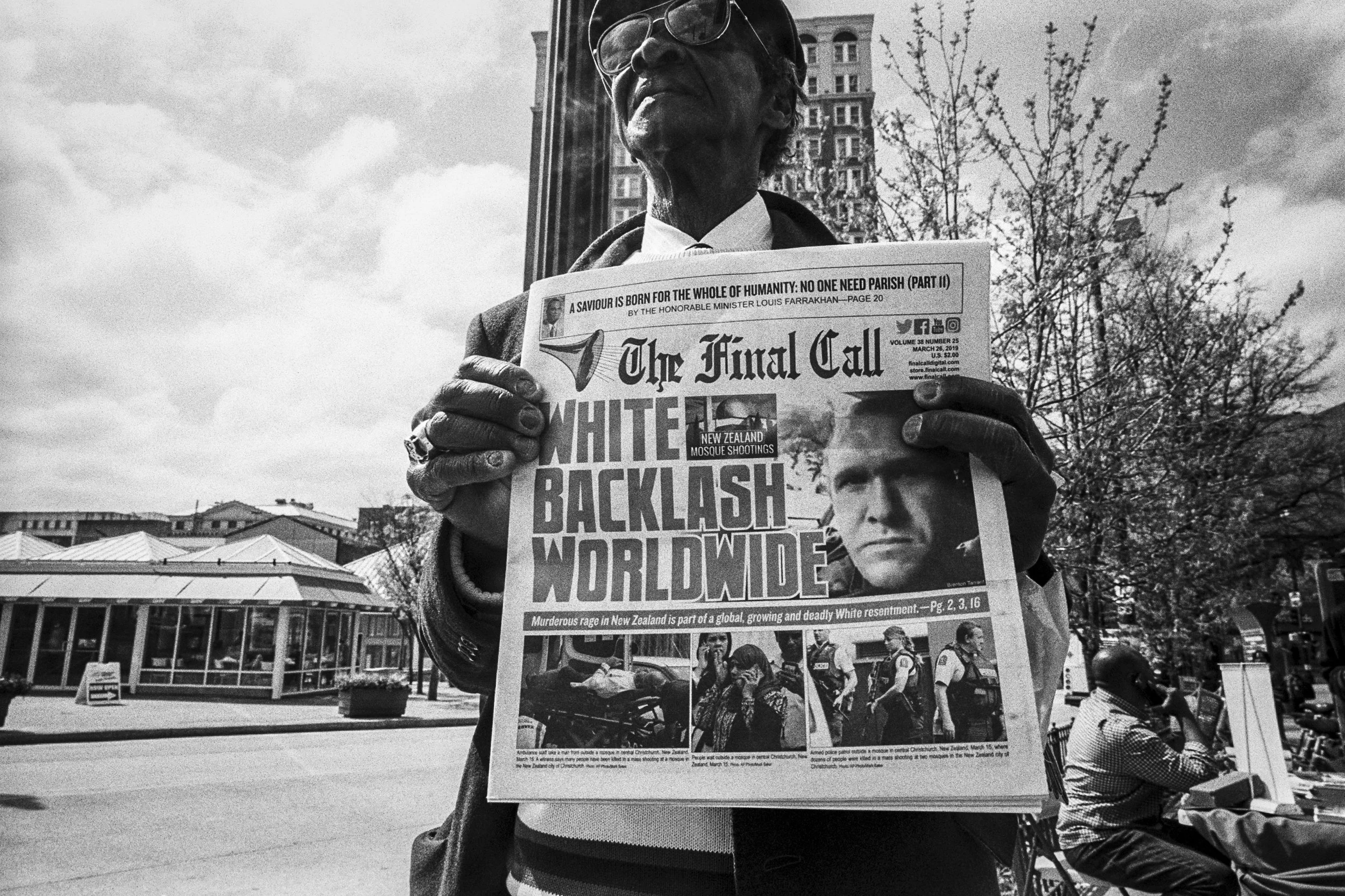
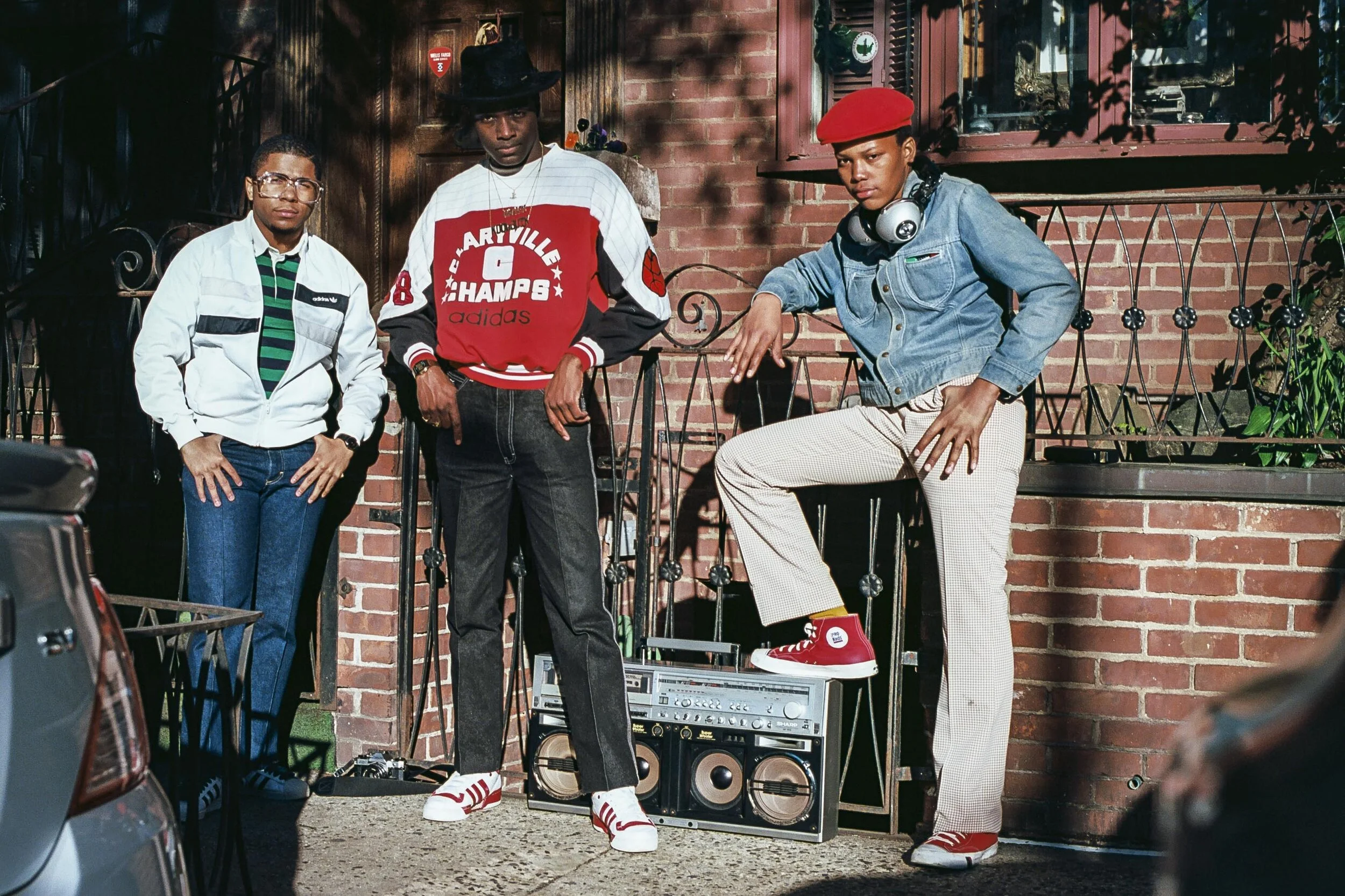
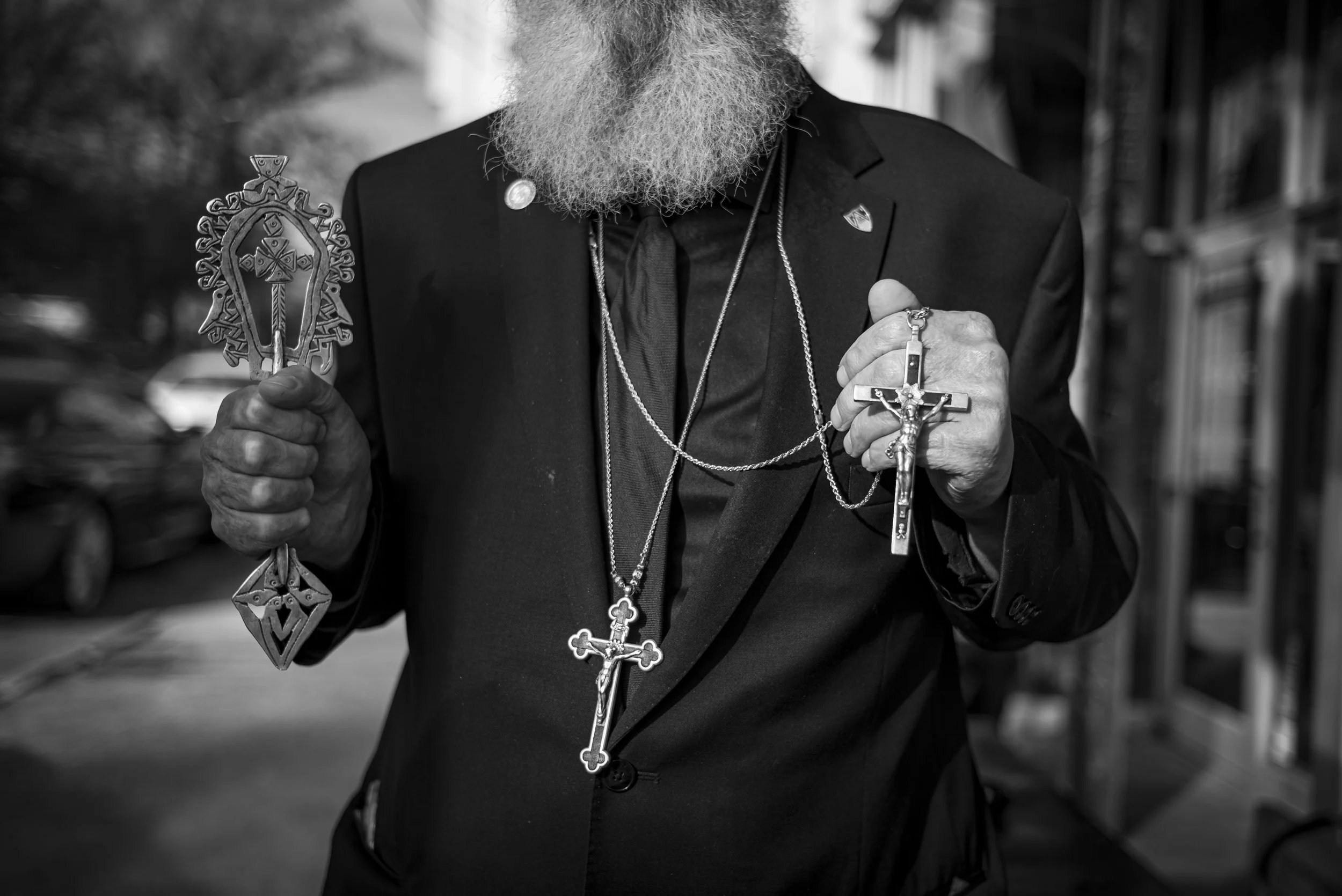

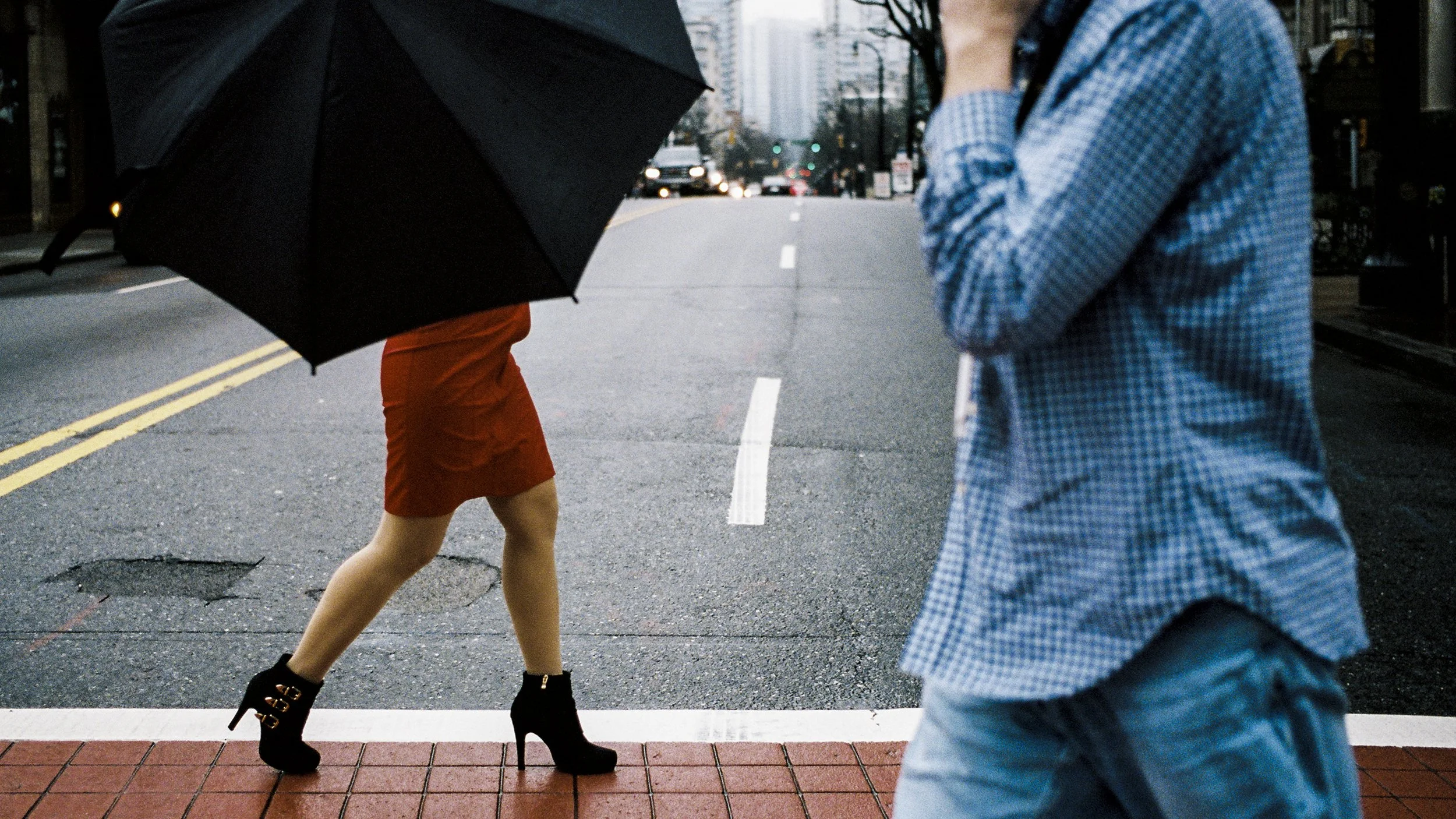
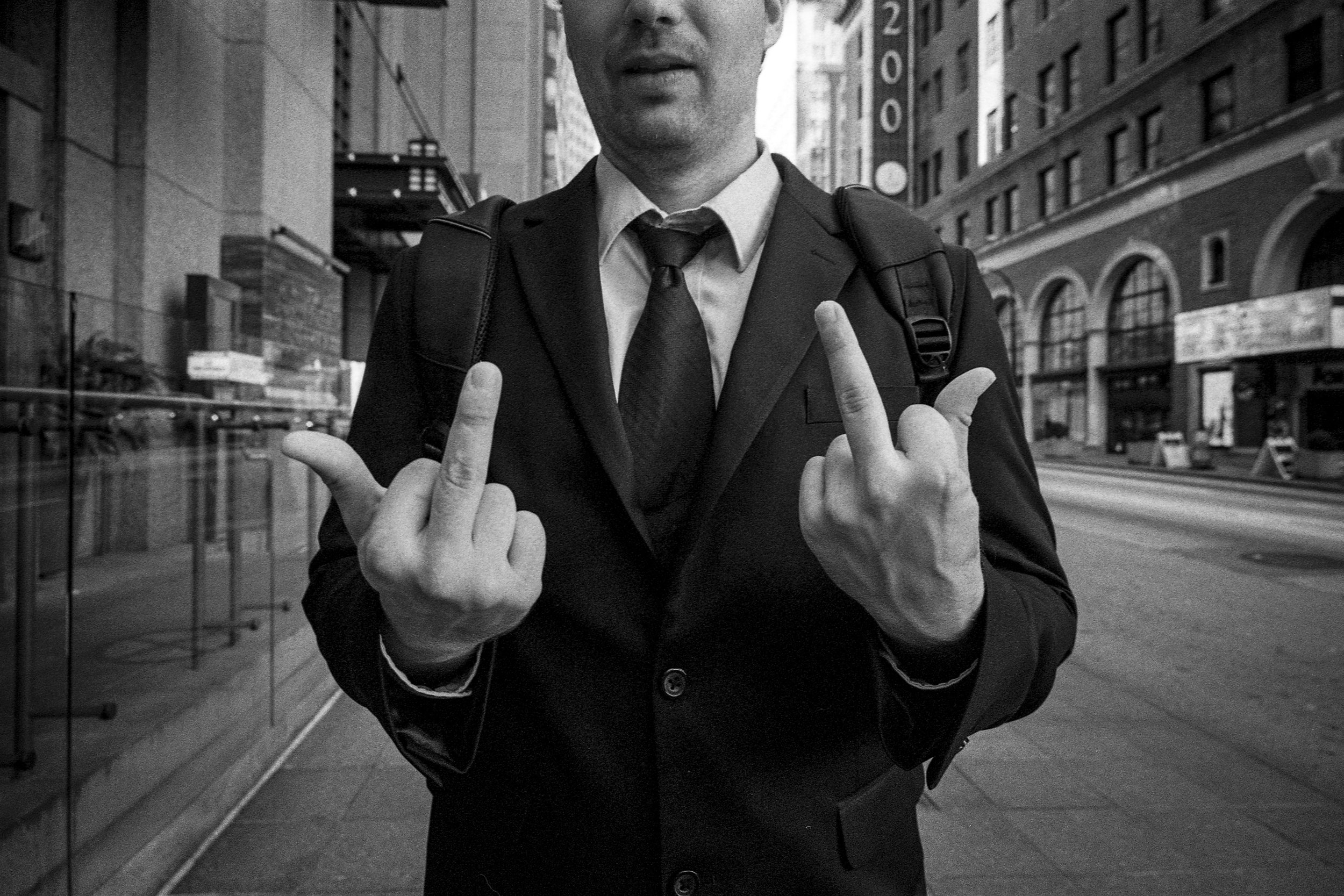
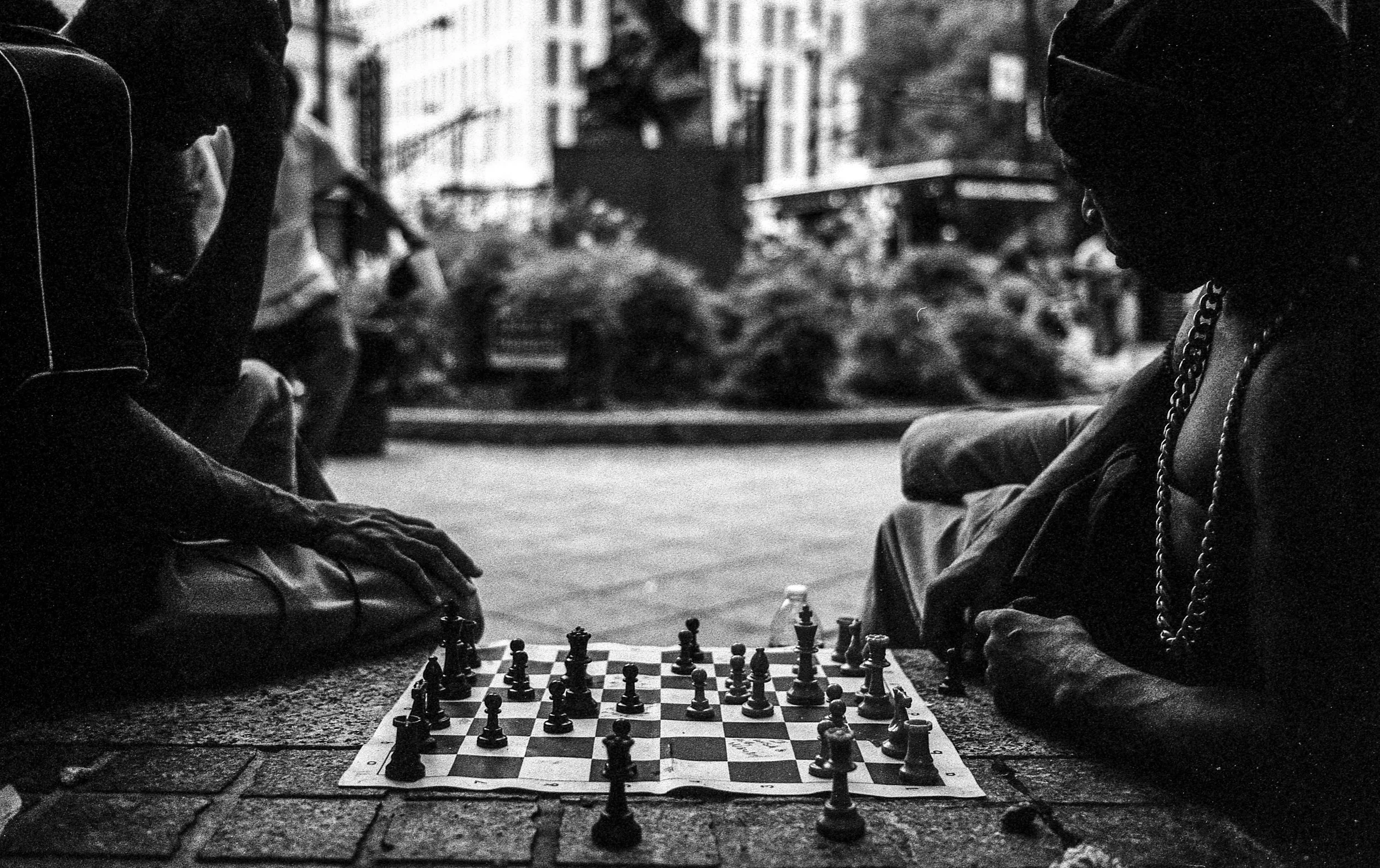
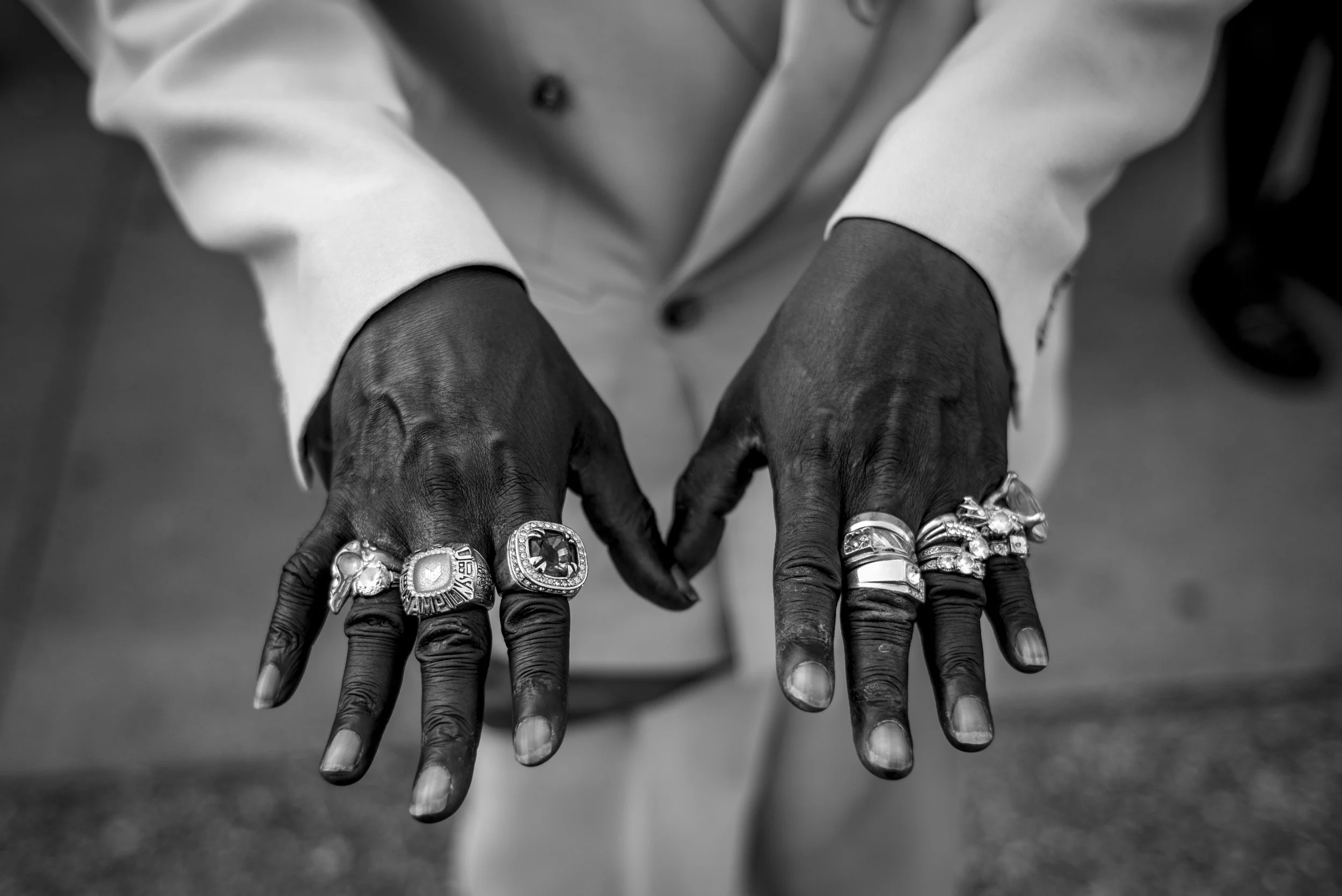
According to SAMHSA, suicide was the second leading cause of death among Black people ages 15 to 24 in 2019. Among Black men, the rate was four times higher than among Black women.
Mental health and self-care are, in many ways, still a new phenomenon in the Black community. In times of crisis, we are told by our elders and peers to pray about it, to think positively, to be strong. Therapy was for rich white people and crazy folks — at least that's how it was explained to me.
For years, I tried to navigate everything alone: childhood trauma, generational curses, a mentally and physically abusive marriage, alcoholism, single parenting. When I finally stepped back from my ledge and sought help, my counselor gave me an assignment: photograph happiness.
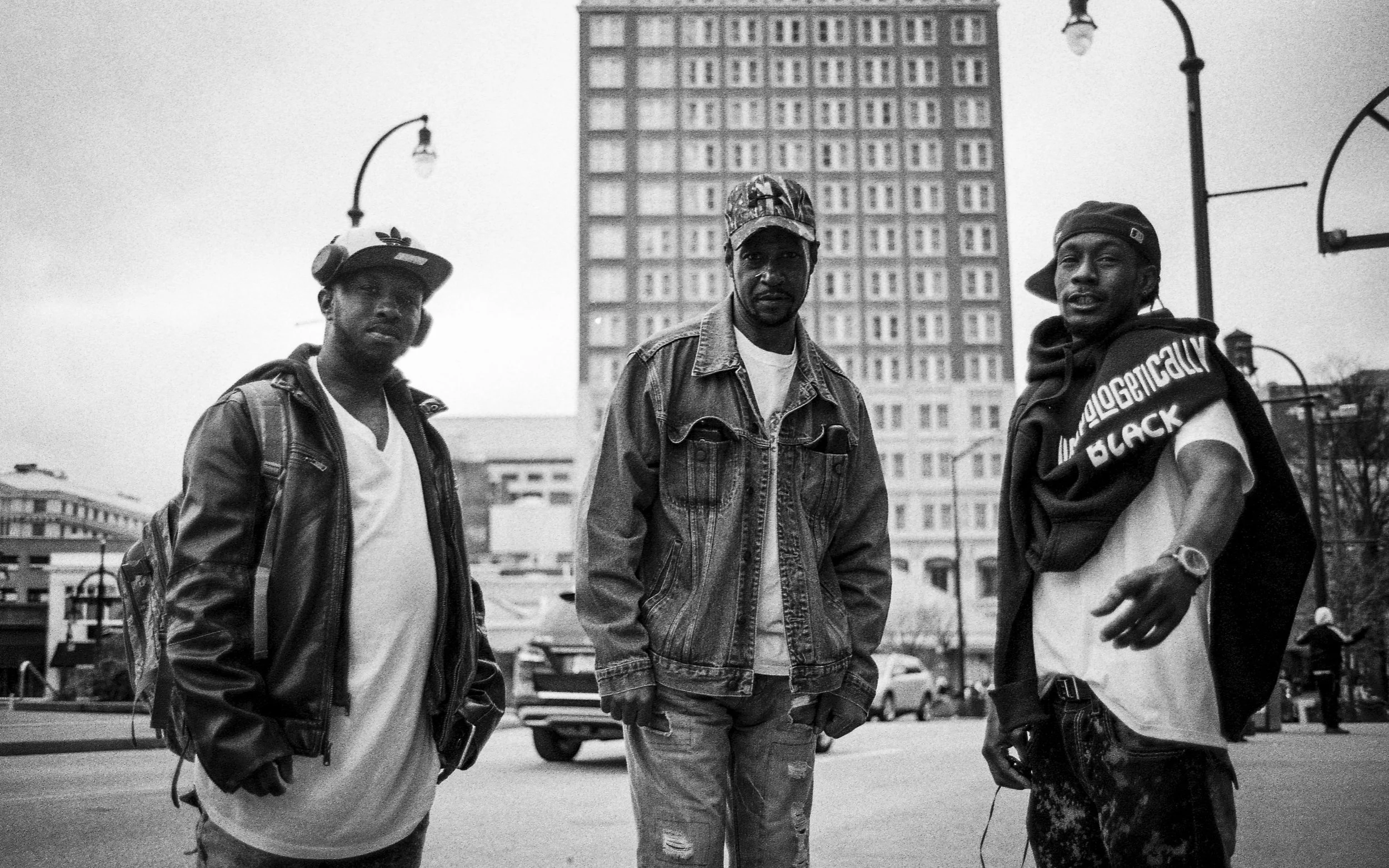
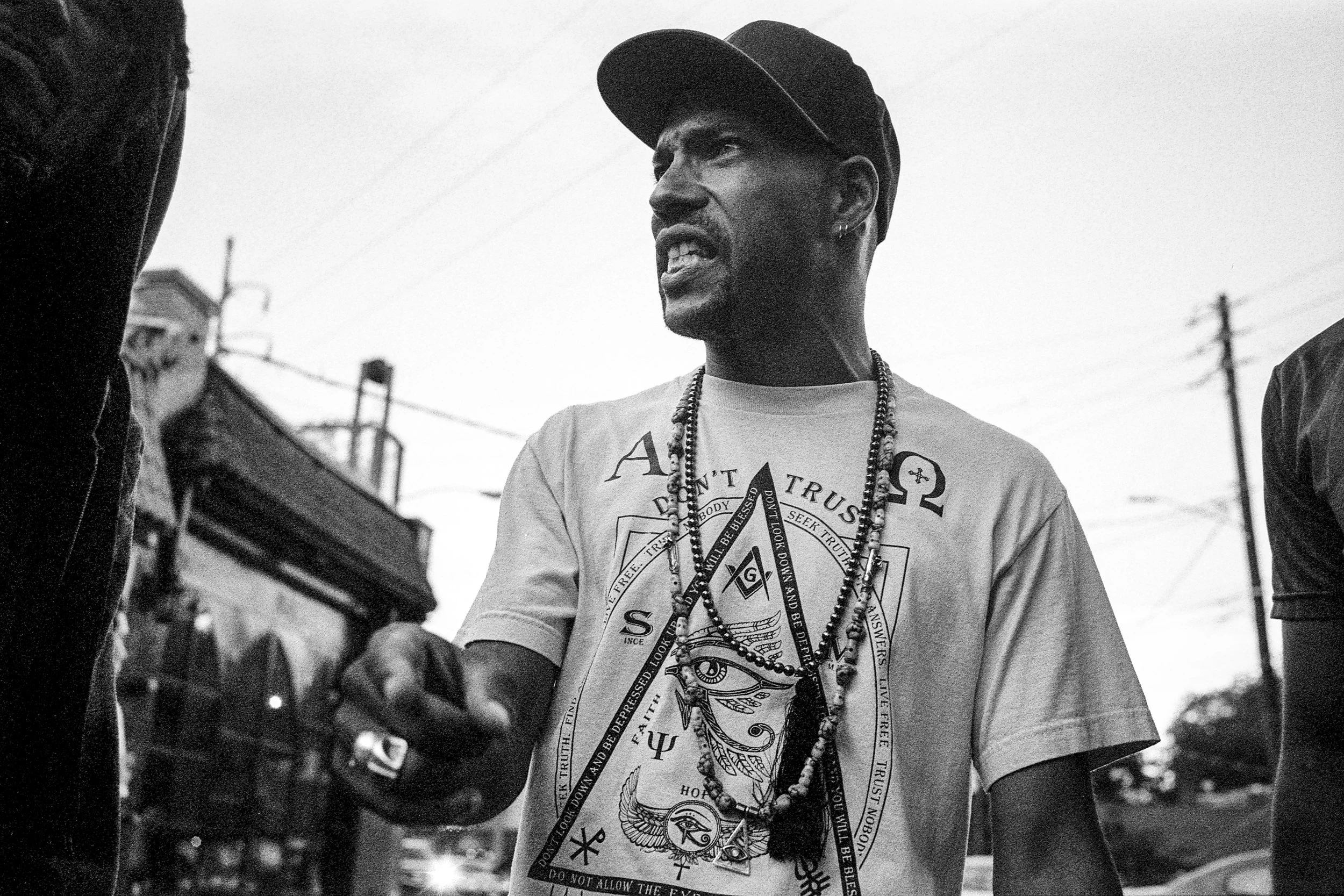
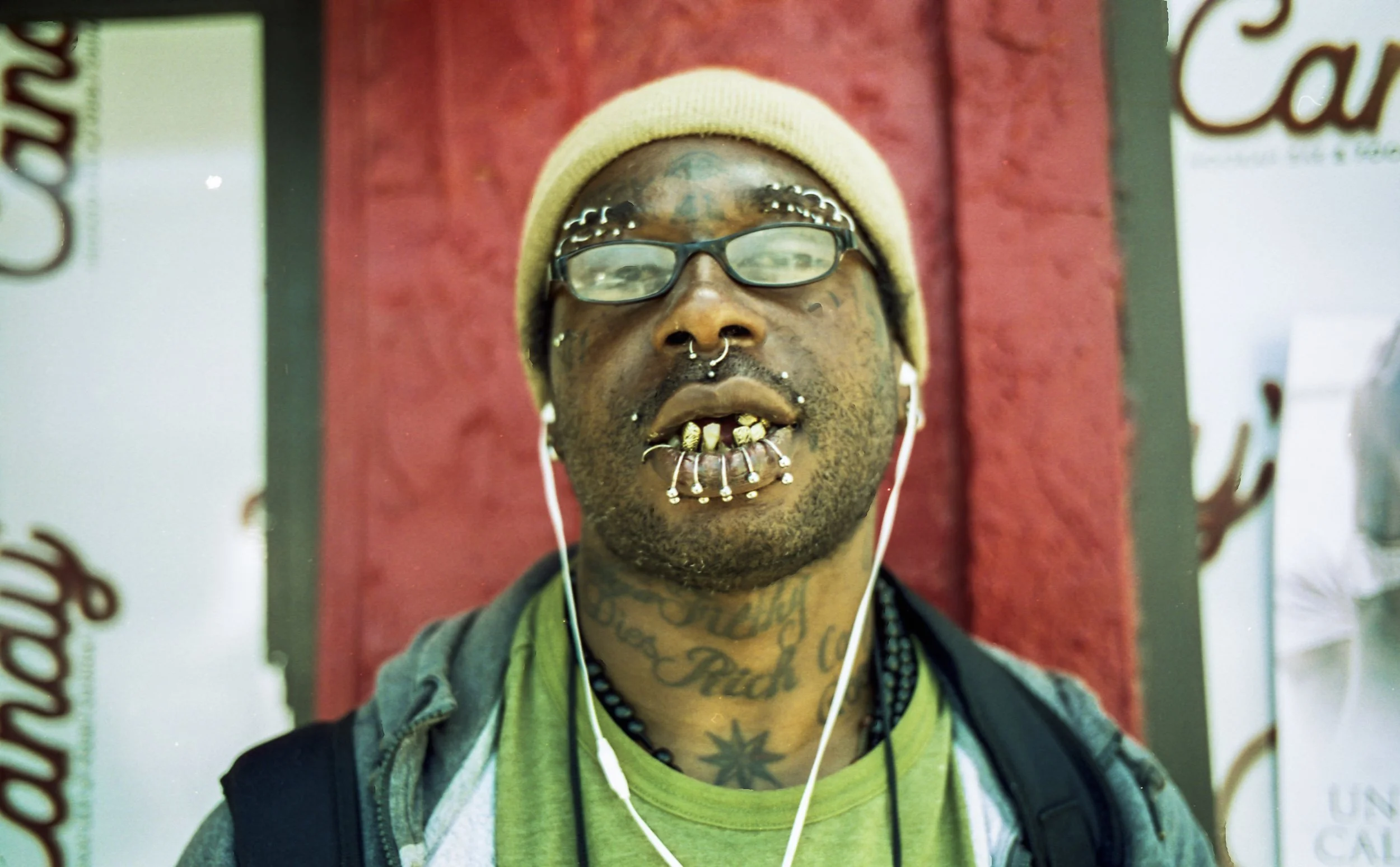
I went looking for it in the streets of Atlanta and New York, and what I found — at first — was myself. Everyone I encountered looked and felt like I did. There was only pain, only anger, only the weight of what none of us had been allowed to say out loud. I wanted to give up on ever knowing what happiness looked like.
Then I remembered that the camera looks both ways. The city was showing me exactly what I needed to see.
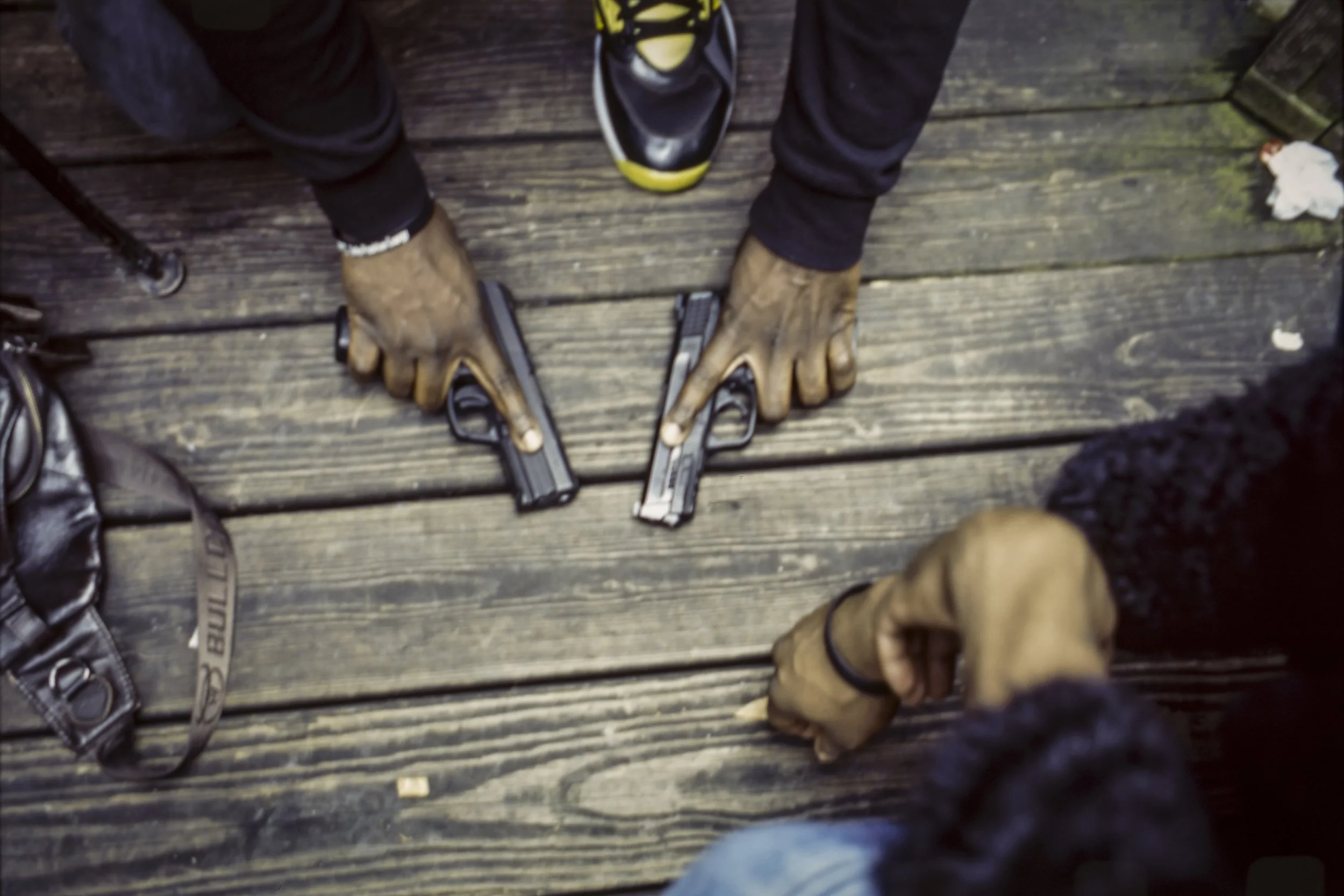
Black men are taught never to show fear, never to smile, never to cry, never to seek comfort. We are taught that softness is weakness. That we are strong, and that we are strong alone. Our lives are threatened in ways that require us to operate as if we are at war — even in our sleep — and then we are asked to move through the world as men while being treated as subhuman.
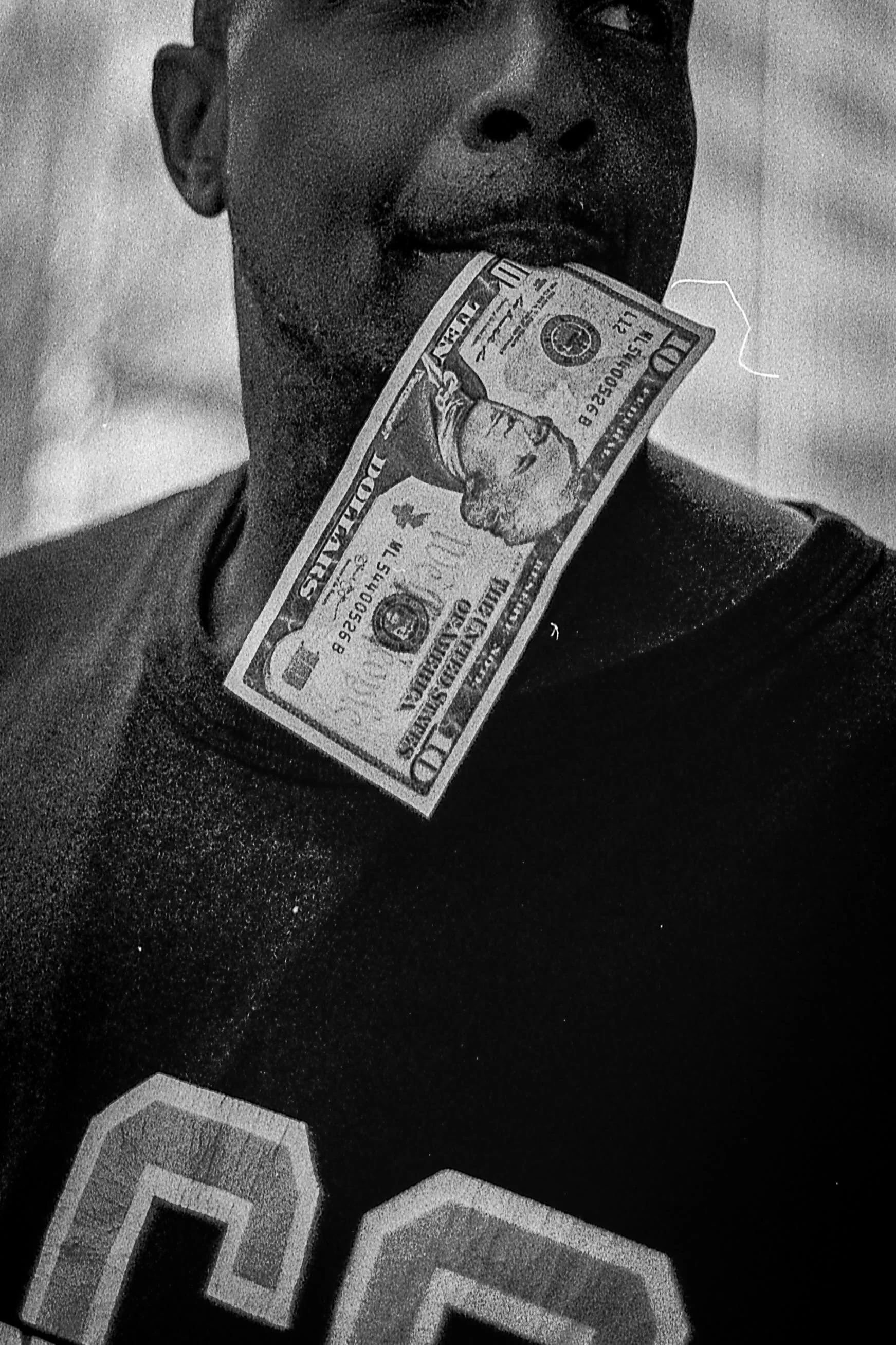
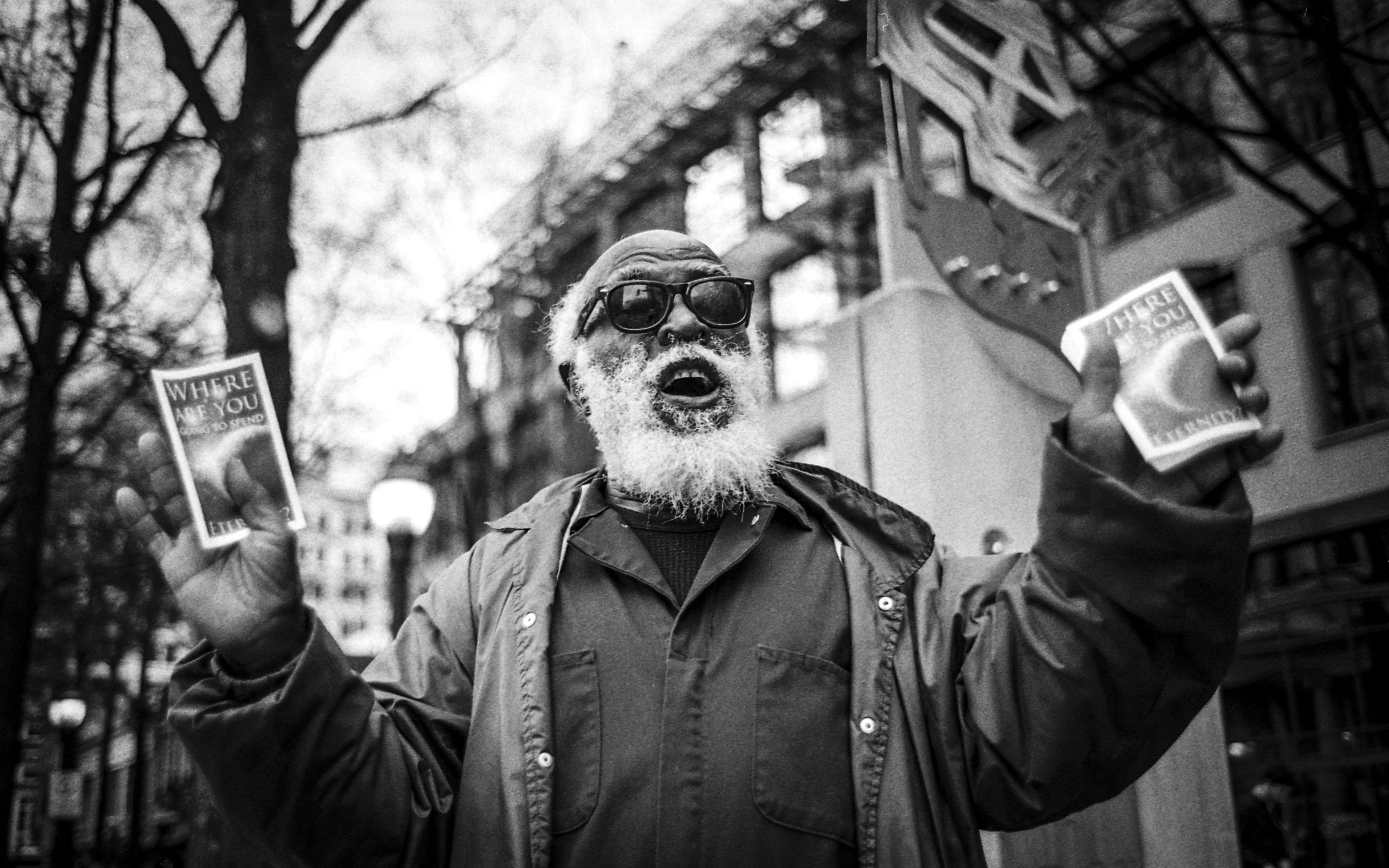
But everyone I photographed was carrying something. People who lashed out because they had only ever been met with adversity. People who wished someone would reach out and hold them so they could stop pretending. People who looked like me, learning to smile with pride in spite of it all.
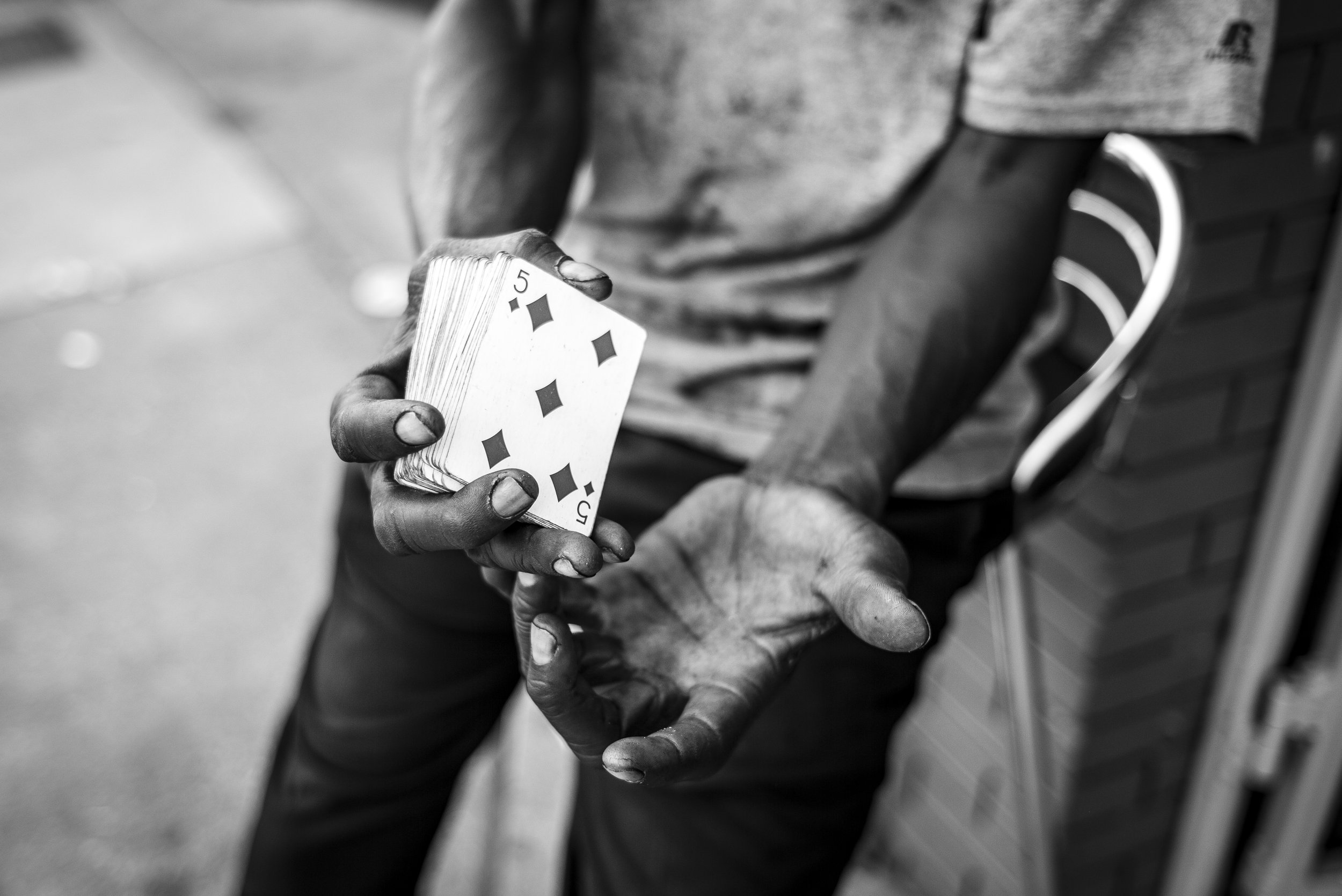
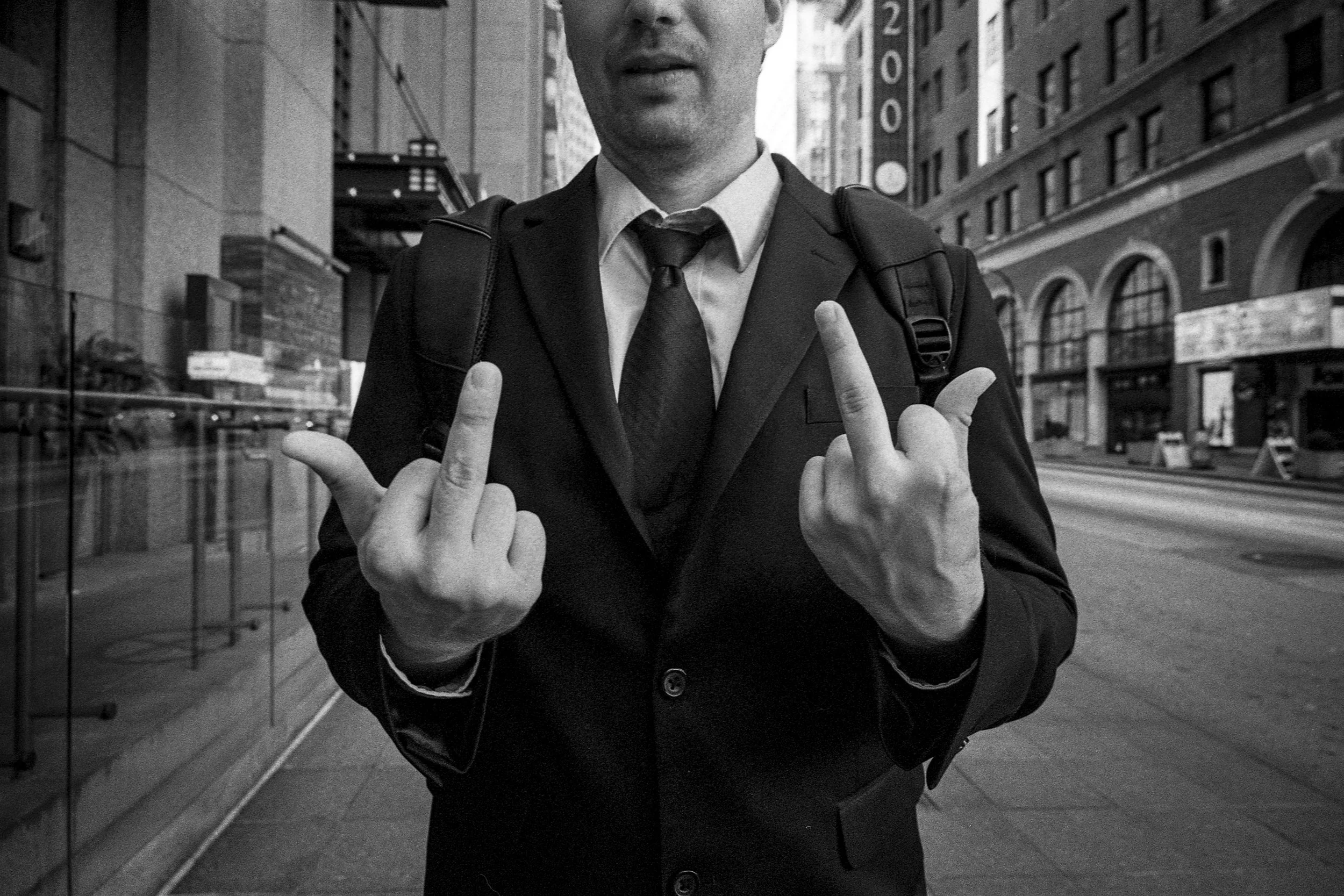
Therapy spans more than ten years of photographs — a decade of strangers who shared a moment of their time, their space, their energy, and let me see them as they saw me. In them, I saw myself.